
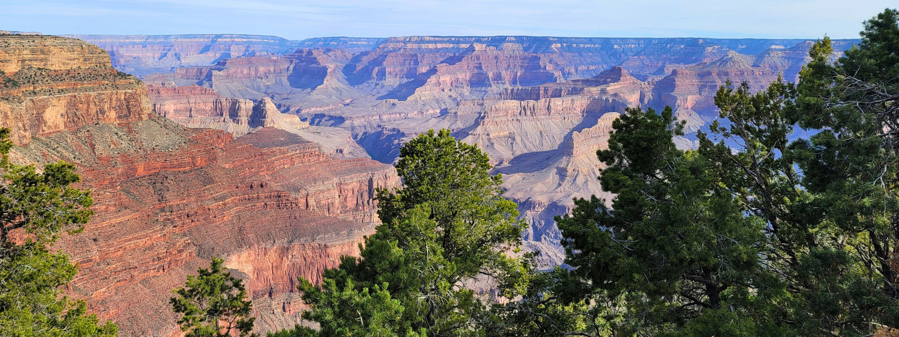
Whether or not you’re a National Park junkie, there’s something special about stepping into one of our country’s protected parks. Whether you’re heading into the park for a few hours on a scenic trail or planning a full week of exploring, what you bring with you can shape your experience in ways that go far beyond simple comfort.
Most hikers remember the essentials: water, snacks, layers, and navigation. But National Parks often invite you to go a little deeper into your preparation. Ask yourself: What might I want to observe more closely? What conditions could I encounter? What would make this experience more enjoyable or meaningful? Sometimes the answer is practical, like traction for icy trails. Other times, it’s about enrichment—like bringing binoculars or a field guide.
Packing with intention allows you to engage more fully with the environment around you. These landscapes come with their own unique challenges and opportunities, and being prepared means thinking a little more intentionally about what goes into your pack.
With a few thoughtful items and some park-specific planning, you can make your time outside smoother, safer, and a lot more meaningful.
Offline Navigation Options
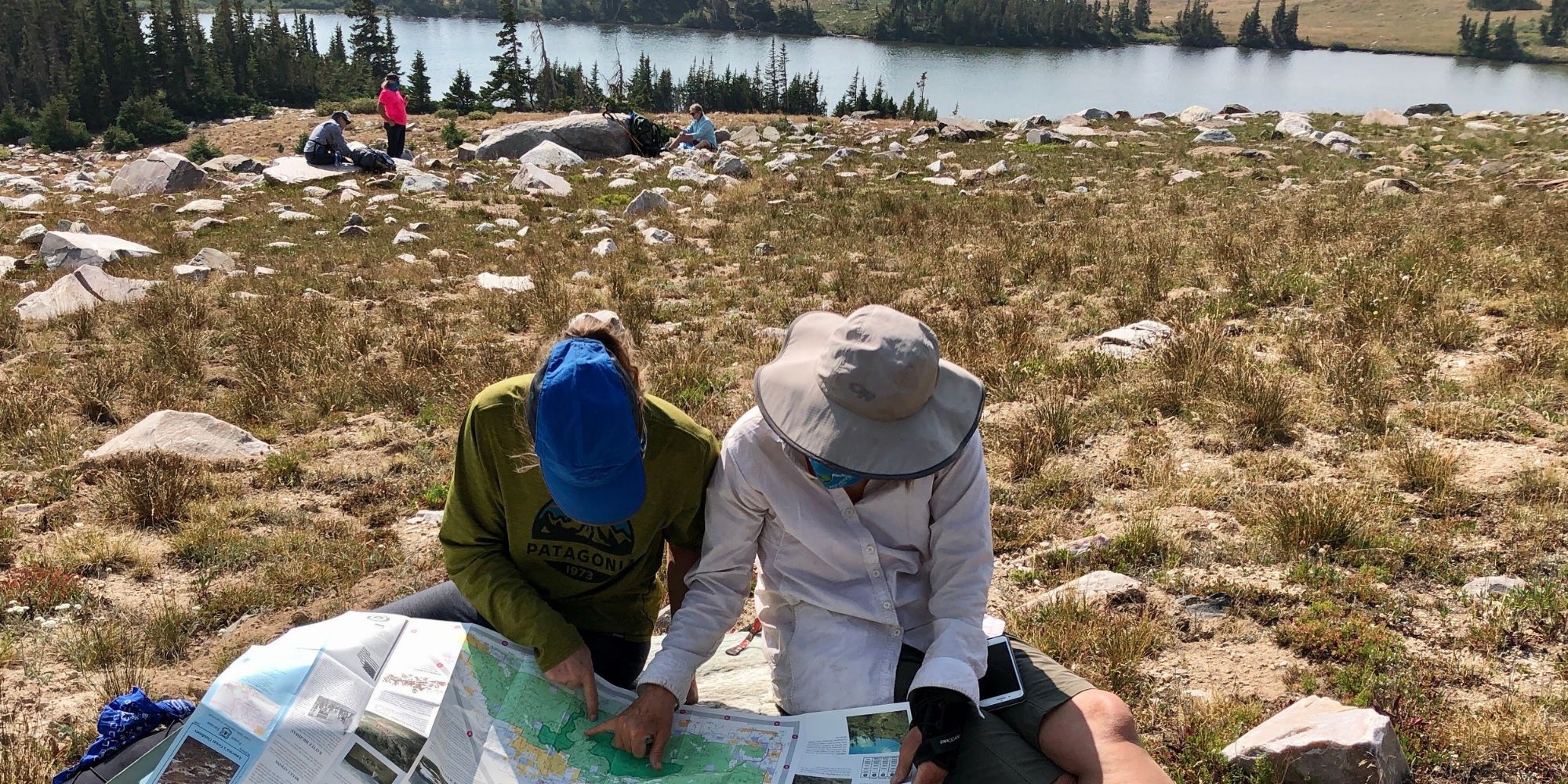
Limited cell service is pretty common in most national parks. Especially as you go deeper into parks like Rocky Mountain or Big Bend , cell service is often limited or nonexistent. It can feel inconvenient at first, but it often becomes one of the best parts of the experience (and a part you should definitely be prepared for). Be sure to open your Google Maps or Apple Maps app and download the park's maps so you’ll have navigation options even without bars. You can also download apps like AllTrails , Gaia, and CalTopo for detailed trail navigation without a cellular connection.
Reinforce Your Reference Materials
We love our Merlin and Seek apps as much as the next girl, but just like map apps, they’re not always available if you’re out of cell range. Some of these apps do allow you to utilize them even without a connection if you download the data for where you’ll be exploring in advance.
It can also be worth bringing physical reference materials, like park-specific flora and fauna pamphlets. These are often available at visitor centers and can be really helpful and fun to use. They allow you to identify plants, birds, and wildlife without relying on an internet connection. It also adds a different kind of experience. Slowing down to flip through a guide and match what you’re seeing can make you feel more connected to the landscape.
Binoculars
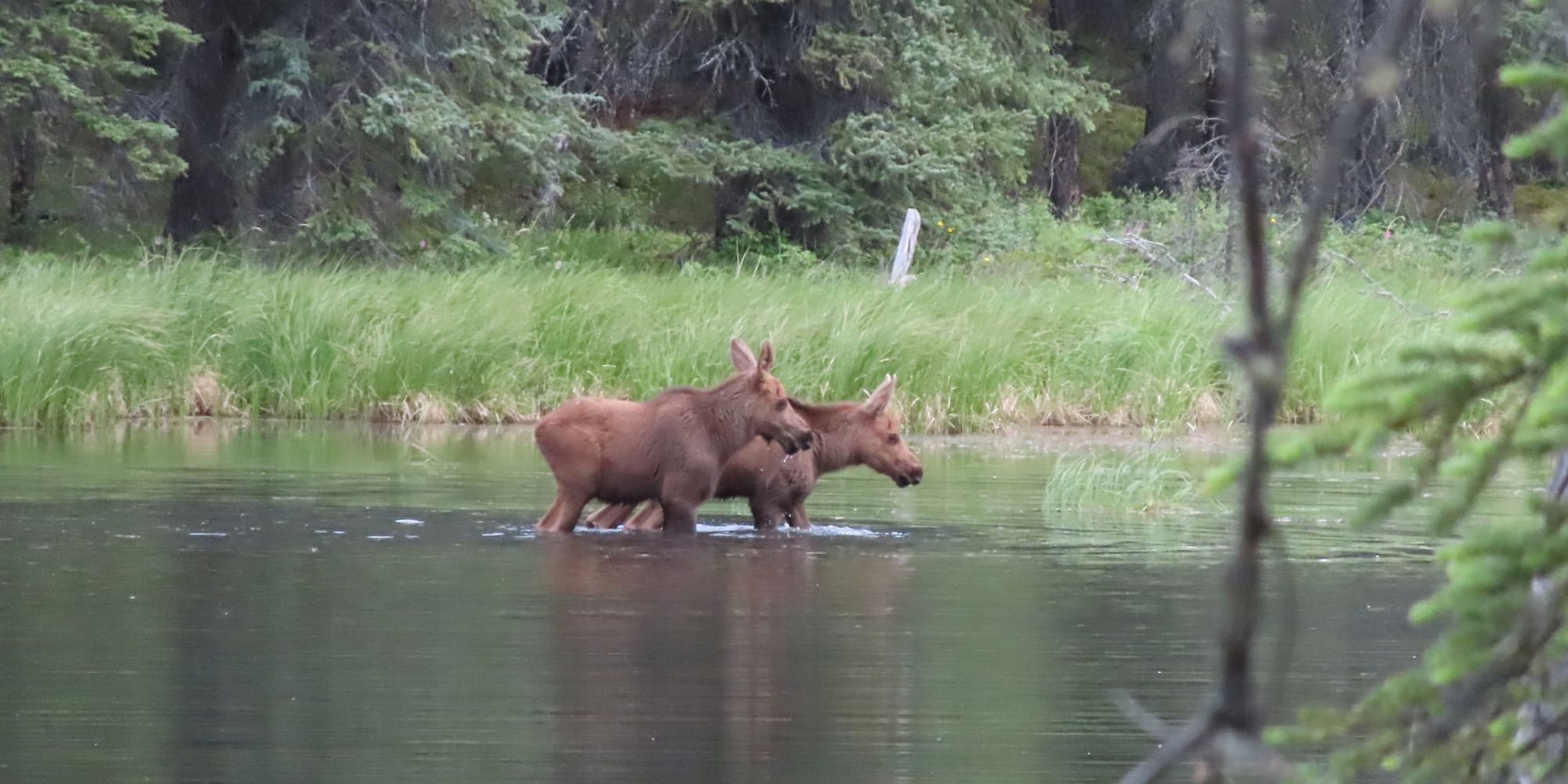
National parks are vast. Even when trails are well-developed, they don’t always take you right up to the features or wildlife you’re hoping to see. That’s where binoculars come in.
A lightweight pair of binoculars can definitely upgrade how you experience a hike. They allow you to zoom in on wildlife from a safe distance, get a closer look at distant peaks or rock features, and get the most out of crowded viewpoints.
In places like the Smoky Mountains, wildlife sightings often happen far from the road. You might find yourself in a “bear jam,” where people gather at a distance to watch an animal across a valley. Without binoculars, you’re left squinting at a speck. With them, you can actually observe behavior and detail. Similarly, in Glacier National Park, binoculars can bring distant snowfields, ridgelines, and wildlife into focus in a way that makes the landscape feel more immediate. They’re a pretty cool tool, even if you’re not a birder.
Treat Yourself: Bring a Little Spending Money
It might not seem like a “hiking essential,” but hear me out: National park gift shops are often filled with thoughtfully curated items—field guides, maps, locally inspired goods, gear, and gifts for your loved ones back home. Whether it’s a patch, a postcard, or a piece of art, these small items can become meaningful souvenirs of your trip that you can’t find anywhere else.
Some parks also have cafés, snack bars, or small markets where you might want to grab something to eat after your hike. Having cash or a card ready means you don’t have to skip those moments.
For the most part, everyone carries their credit card these days, meaning they literally always have spending money on them; I’m just gently encouraging you to brave the gift store lines and treat yourself to a little memento if it adds to your experience.
Plan for Park-Specific Conditions
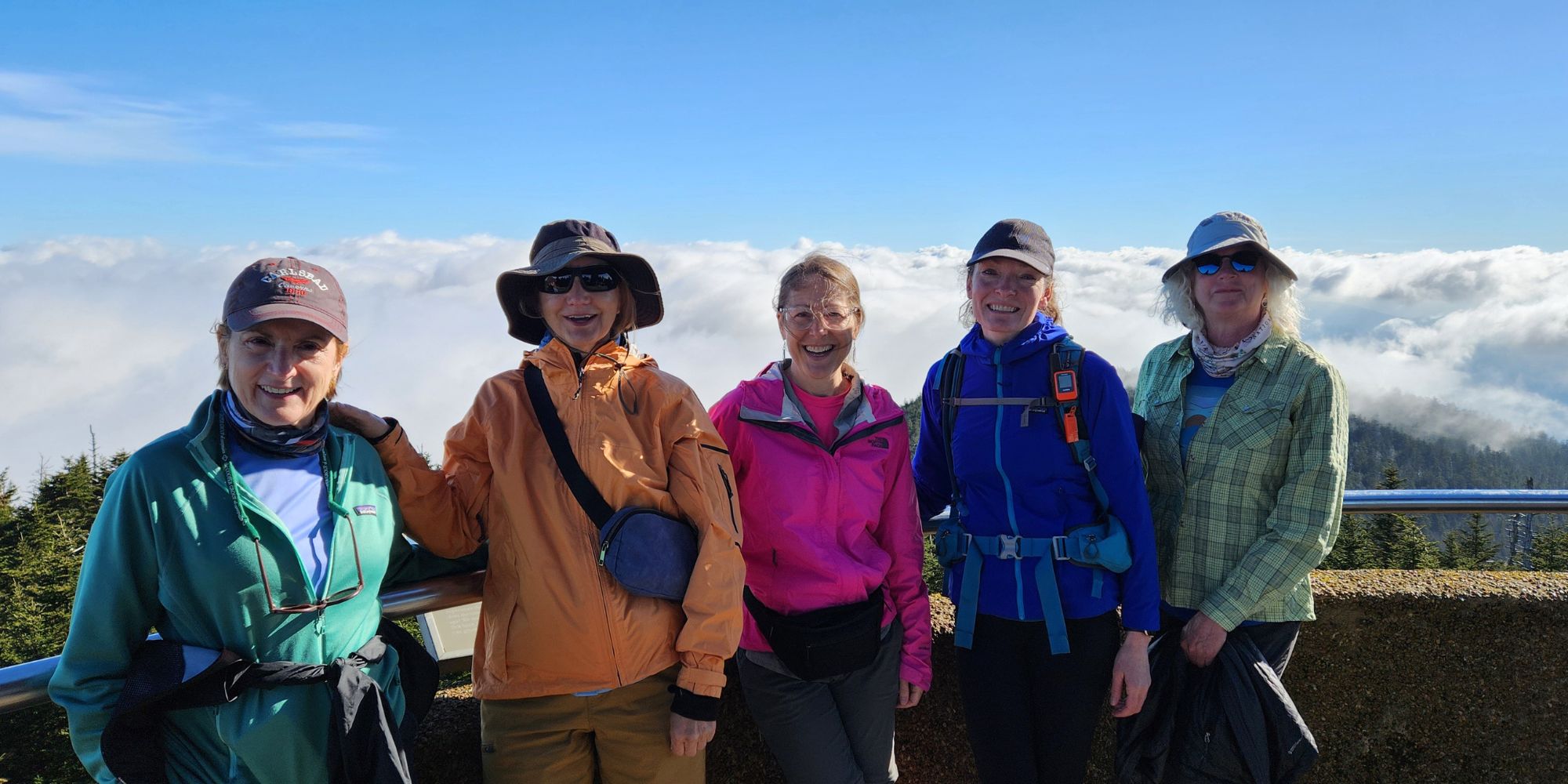
One of the most important things you can do before your trip is research the specific conditions of the park you’re visiting. Our national parks span the country literally from sea to shining sea, and with that comes unique considerations in each location in terms of weather, terrain, safety, and other environmental factors that can affect your hike.
In places like Grand Teton National Park, carrying bear spray is a standard safety precaution. Knowing how to use it—and having it accessible, not buried in your pack—is just as important as bringing it.
Meanwhile, in Rocky Mountain National Park, conditions can shift quickly depending on the season. Snow and ice can linger on trails, making traction devices like Yak Traks a smart addition to your gear. Just this past May, we held a guide retreat in Rocky Mountain National Park and got a couple of feet of snow!
In many parks, particularly in the Pacific Northwest, the Smokies, and throughout the Cascades, rain isn't a possibility; it's a given. A reliable rain jacket isn't just about staying dry; it's about staying warm and safe when temperatures drop alongside the precipitation.
Exposed ridgelines, alpine meadows, and wide-open desert parks can funnel wind in ways that catch even experienced hikers off guard. Wind doesn't just make you cold; it accelerates heat loss and can disorient you while navigating open terrain. A packable windbreaker earns its place in your daypack even on sunny forecasts, especially in parks with exposed peaks.
The key is to treat each park as its own environment. Doing your research ahead of time can prevent a lot of discomfort (or danger) later.
Slow-Gratification Items
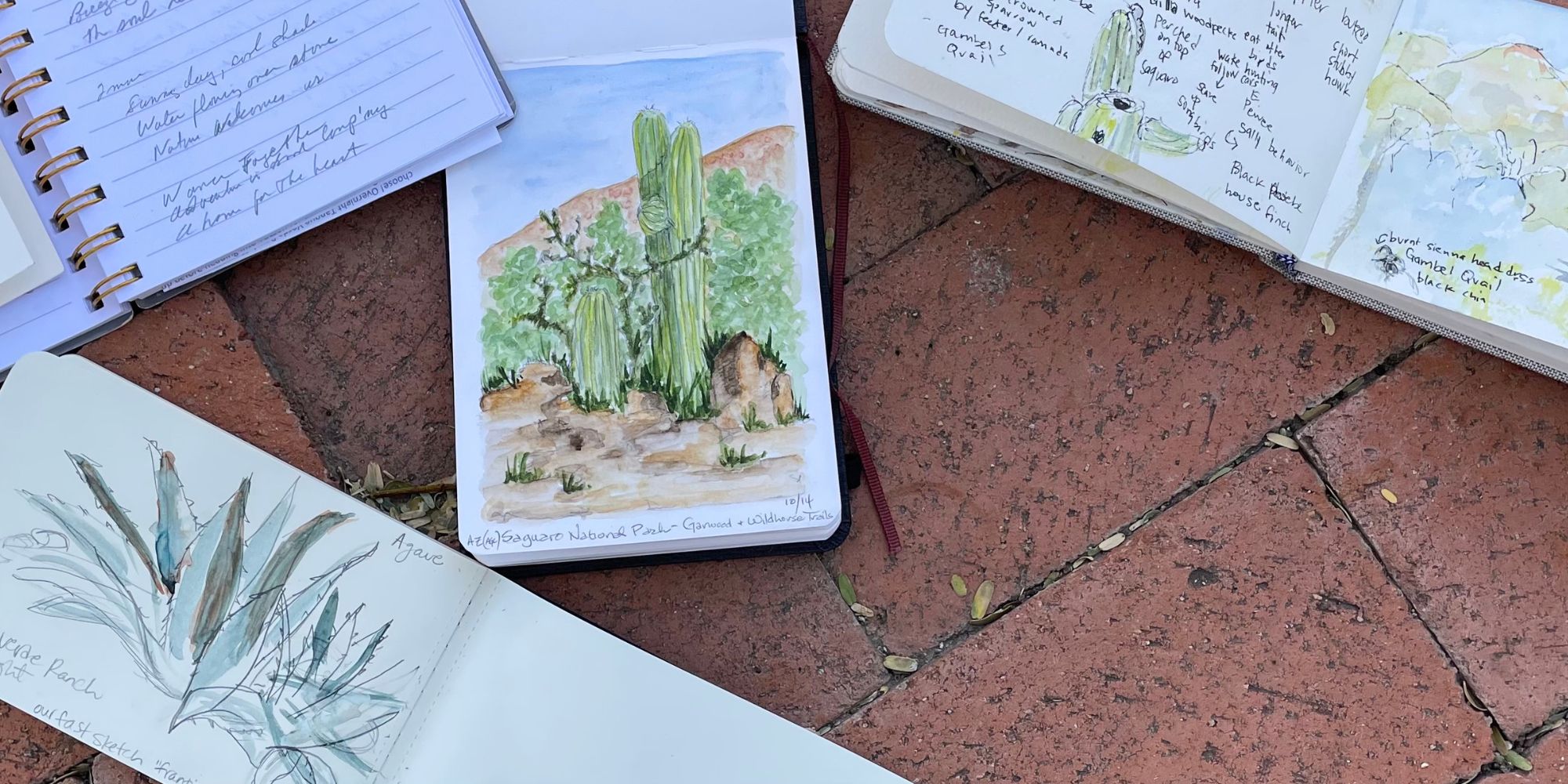
Visiting a gorgeous park without cell service is a really unique opportunity to slow down, disconnect from the buzz of daily life, and reconnect with the Earth. Without constant notifications on your phone or the ability to look everything up instantly, you’re encouraged to slow down and pay attention. You notice more. You listen more. You engage with the landscape in a way that’s harder to replicate elsewhere.
You can be intentional about this if you'd like. Consider bringing a notebook to write down the things you learn and the questions you have to ask a park ranger later. Bring a set of watercolors and make time to record your impression of the beauty around you. Bring a picnic blanket and a deck of cards to encourage your fellow travelers to linger around the table a bit longer. Moments like these are what you absolutely can not replicate once you get back home.
Packing with Intention
National parks offer some of the most incredible hiking experiences out there, but they also ask you to be prepared in a slightly different way. With limited connectivity, unique environments, and vast landscapes, a thoughtful packing list goes a long way. If you’re traveling with AGC, all of these items will be on the packing list and/or taken care of by your guide.
When you bring the right mix of practical gear and experience-enhancing tools, you set yourself up not just for a successful hike, but for a deeper connection to the place you’re exploring. And in the end, that’s what these trips are really about—stepping into something bigger than yourself and being ready to fully experience it. Happy trails!