
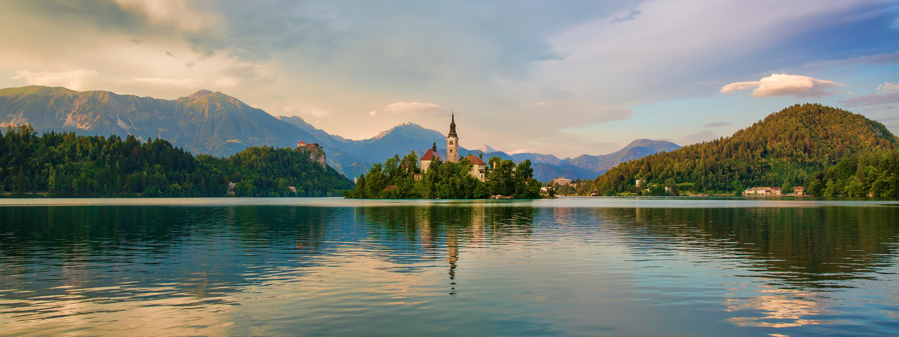
Travel has the power to change us, but it also has an impact on the places we visit. More and more travelers are asking an important question: How can I explore the world while helping protect it?
The answer starts with choosing destinations that are already doing the work. When looking where to travel, it starts with choosing places where conservation, community, and thoughtful tourism are part of everyday life.
At Adventures in Good Company, we believe how you travel matters just as much as where you go. That’s why we design our trips to support local communities, minimize environmental impact, and create meaningful connections with the places we explore.
Here are five destinations leading the way in sustainable travel and how we experience them with care.
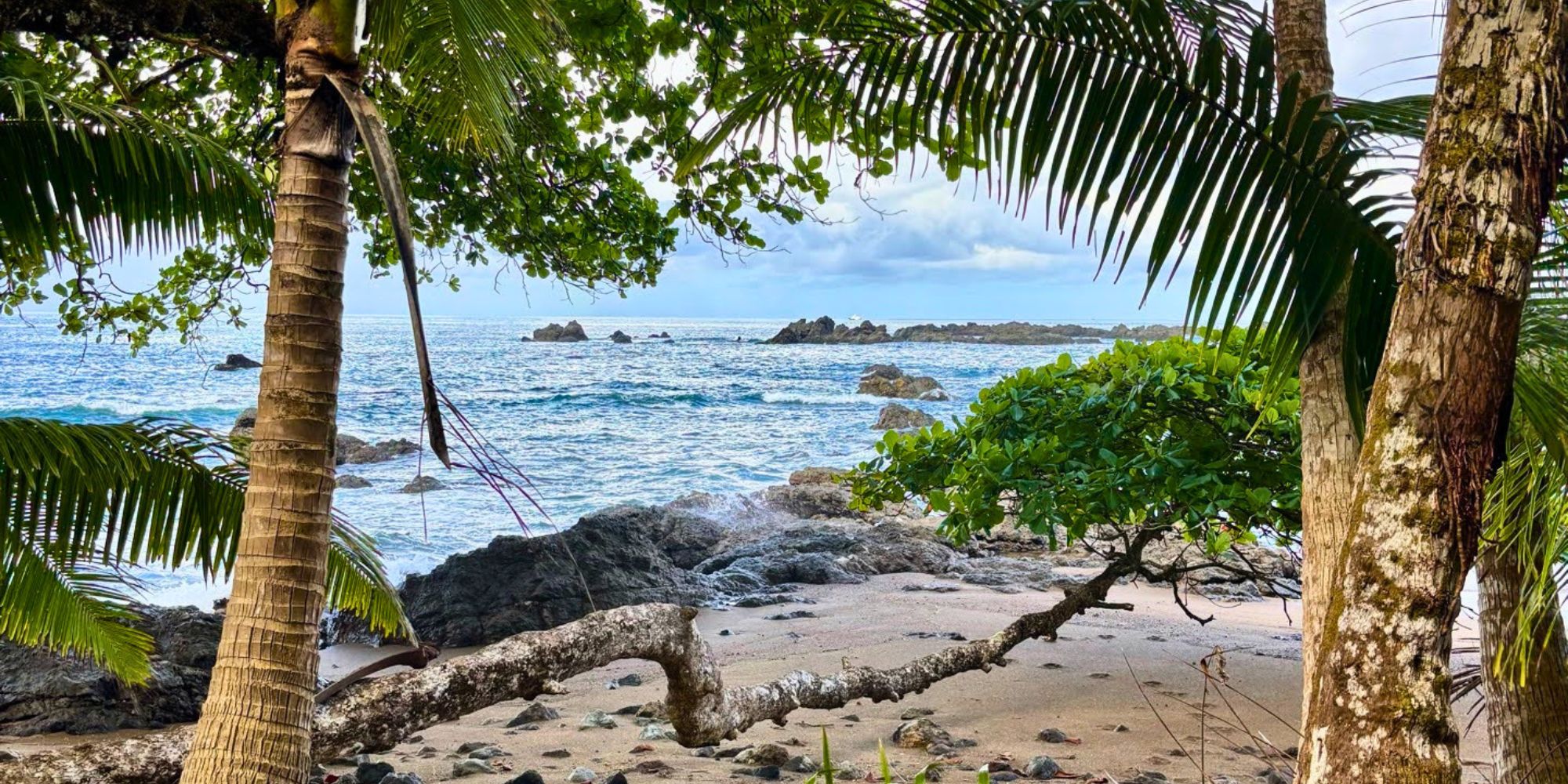
Costa Rica: A Global Leader in Conservation
Why it stands out
Costa Rica is often considered the gold standard for sustainable tourism, and for good reason. Nearly 30% of the country’s land is protected, and over 98% of its electricity comes from renewable energy sources, primarily hydropower, wind, and geothermal.
What makes Costa Rica especially unique is its Payment for Ecosystem Services program, which financially incentivizes landowners to preserve forests rather than clear them. This has helped reverse deforestation and restore vast areas of rainforest.
Combined with a strong national focus on biodiversity protection and eco-tourism, Costa Rica has created a model where conservation and tourism actively support one another, not compete.
How we explore it responsibly
On our Tropical Tranquility: Costa Rica’s Coast adventure, we move through some of the country’s most vibrant ecosystems, from rainforest to coastline, guided by local experts who bring these environments to life.
We hike through Corcovado National Park, one of the most biodiverse places on Earth, spot scarlet macaws in Carara National Park, and explore Marino Ballena National Park, where whales and dolphins gather offshore. Along the way, there’s time to swim beneath the cascading Nauyaca Waterfall and take in the quieter rhythms of Costa Rica’s Pacific coast.
What makes this trip sustainable
-
Travel centered around protected national parks and conservation areas
-
Wildlife viewing is done respectfully with knowledgeable local guides
-
Small group size (max 14) to reduce environmental impact
-
Support of local businesses, lodges, and communities
-
Itinerary designed to balance exploration with time in nature
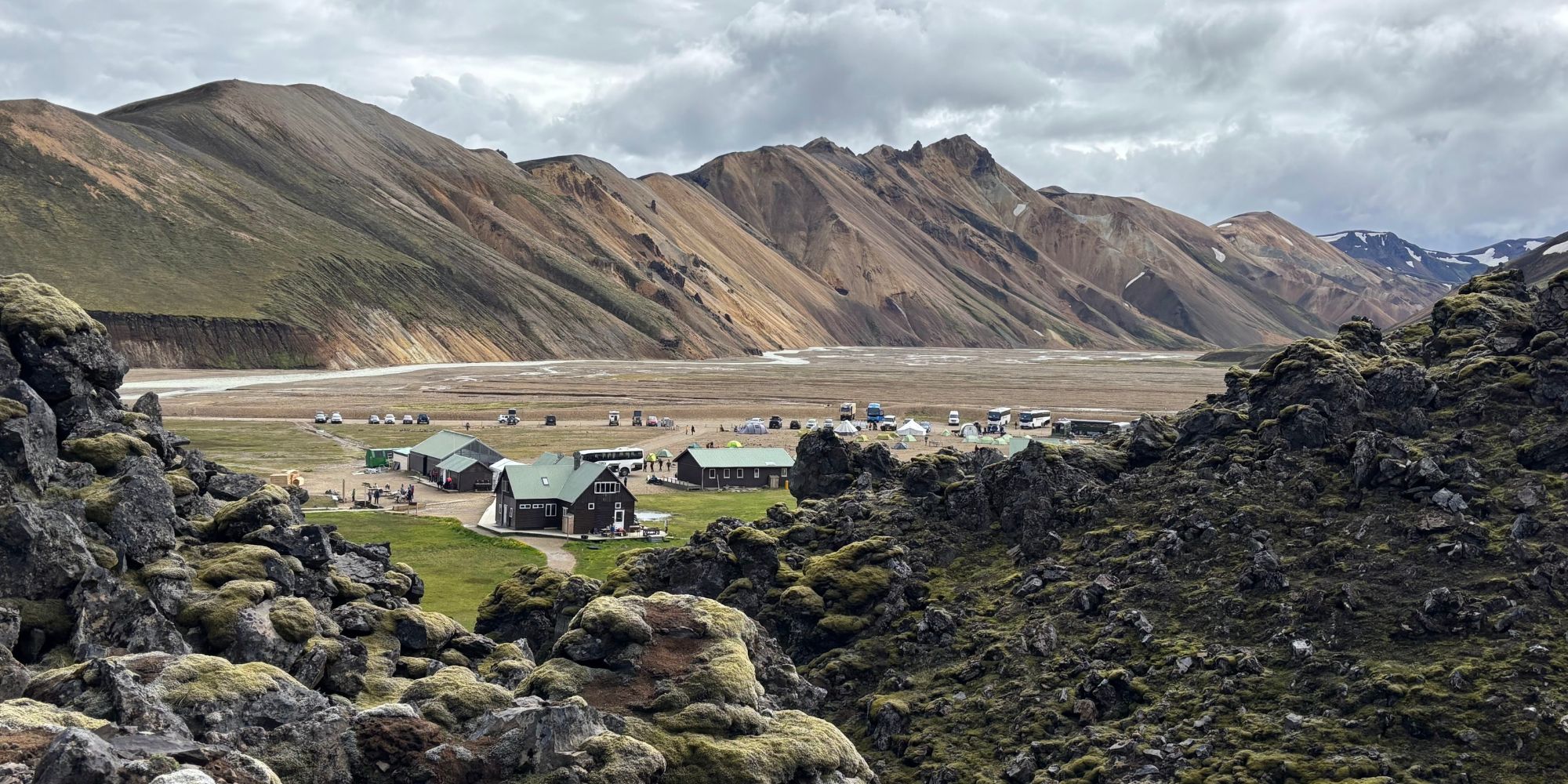
Iceland: Powered by Nature
Why it stands out
Iceland is one of the few countries in the world where sustainability is built directly into its infrastructure. Nearly 100% of its electricity is generated from renewable sources, with geothermal energy playing a major role in heating homes, powering cities, and even running greenhouses.
What makes Iceland particularly interesting is how it balances access and protection. Many of its most iconic sites, like waterfalls, glaciers, and geothermal fields, are carefully managed with designated paths and conservation efforts to prevent erosion and long-term damage.
At the same time, Iceland is on the front lines of climate change, with rapidly retreating glaciers making sustainability not just a goal, but a necessity.
How we explore it responsibly
On our Iceland: Chasing Lights & Winter Delights adventure, we explore the country’s dramatic landscapes while gaining a deeper understanding of the natural forces that shape them.
We walk through Thingvellir National Park, where tectonic plates visibly shift, visit geothermal areas with bubbling mud pots and erupting geysers, and stand in awe of waterfalls like Gullfoss and Skógafoss. A guided glacier walk offers a rare opportunity to step onto ancient ice, while evenings are spent scanning the skies for the Northern Lights.
What makes this trip sustainable
-
Exploration focused on designated routes and protected areas
-
Education around geothermal systems and glacial environments
-
Guided glacier experiences that prioritize safety and preservation
-
Small group travel to reduce impact on sensitive landscapes
-
Use of local expertise to deepen understanding of the environment
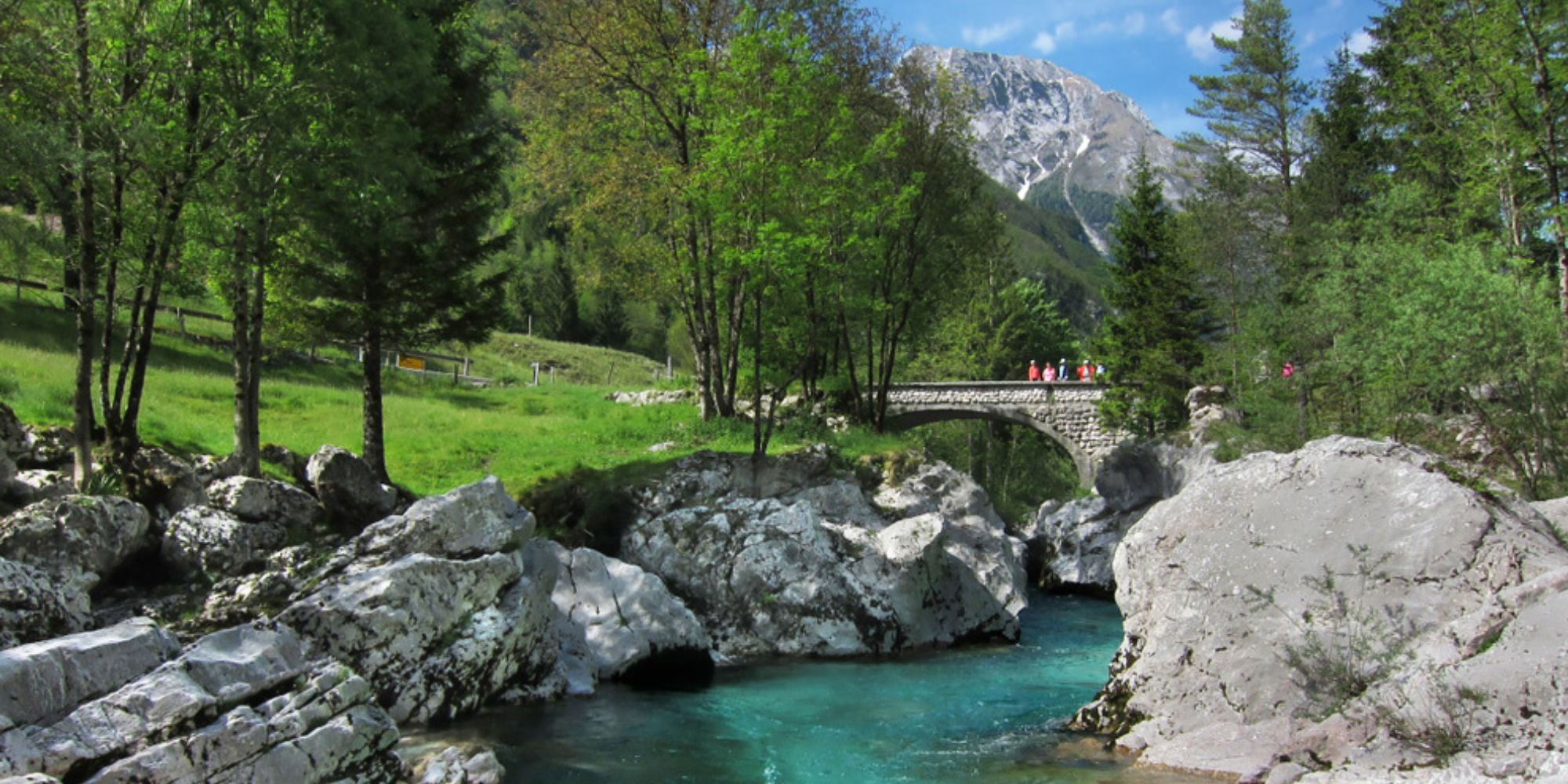
Slovenia: Europe’s Green Hidden Gem
Why it stands out
Slovenia has quietly become one of Europe’s most recognized sustainable destinations, earning titles like “Green Destination of Europe” and implementing one of the most comprehensive national sustainability programs on the continent.
The country’s Slovenia's Green certification sets strict standards for destinations, accommodations, and tour operators, ensuring sustainability is practiced across the entire tourism industry.
Even its capital, Ljubljana, has been transformed into a largely car-free city center, prioritizing walkability, cycling, and green spaces. Beyond the cities, a strong emphasis on preserving natural landscapes and promoting low-impact tourism keeps Slovenia feeling uncrowded and authentic.
How we explore it responsibly
On our Alpine Adventures in Slovenia trip, we experience the country’s landscapes at a slower pace, moving through alpine valleys, lakes, and traditional villages.
We hike through Triglav National Park, follow the emerald waters of the Soča River, and explore the peaceful shores of Lake Bohinj. Along the way, we connect with local traditions—sampling regional foods, visiting farms, and learning about life in Slovenia’s mountain communities.
What makes this trip sustainable
-
Focus on lesser-known regions to help reduce overtourism
-
Well-maintained trail systems that protect natural areas
-
Locally sourced meals and farm-to-table experiences
-
Support of small villages and regional economies
-
Small group size aligned with Slovenia’s low-impact tourism model
Galápagos Islands: Protection Through Limits
Why it stands out
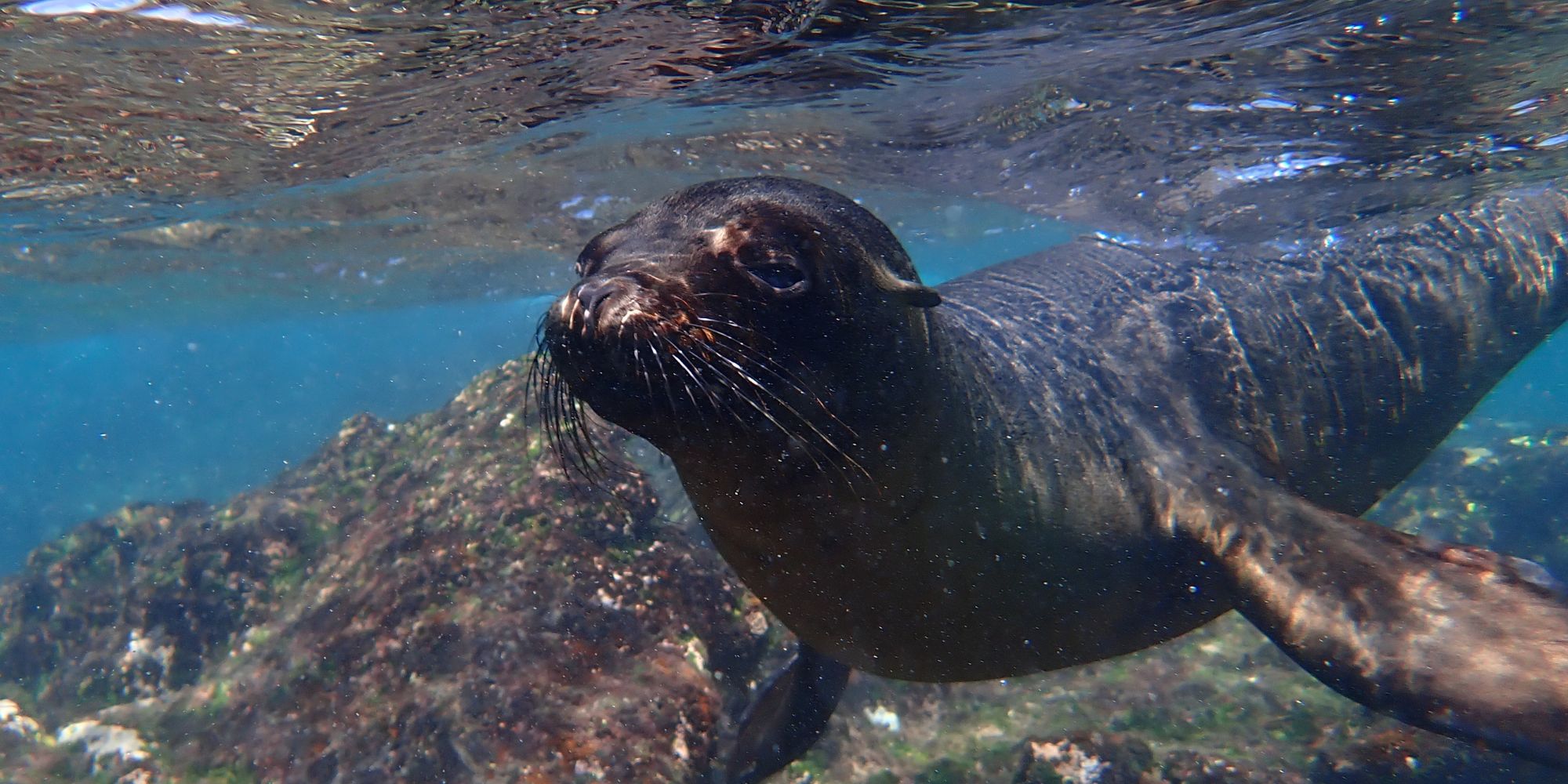
The Galápagos Islands are one of the most strictly protected ecosystems in the world. Nearly 97% of the land is designated as a national park, and tourism is carefully controlled through visitor limits, licensed guides, and regulated access points.
What makes the Galápagos truly unique is that conservation comes first—always. Visitor numbers are capped, itineraries are regulated, and interactions with wildlife are closely monitored to minimize disruption.
These protections have allowed species found nowhere else, such as marine iguanas, giant tortoises, and blue-footed boobies, to thrive. Its strong conservation work makes the islands a living example of how tourism can coexist with conservation when managed properly.
How we explore it responsibly
On our Explore the Galápagos Islands by Land adventure, every experience is designed to connect you with the environment while respecting its limits.
We snorkel alongside sea turtles, rays, and reef fish, hike volcanic landscapes like Sierra Negra, and visit the Charles Darwin Research Station to learn about conservation efforts. Traveling between islands, we experience the archipelago's diversity, from lava formations to pristine beaches.
What makes this trip sustainable
-
Strict adherence to national park regulations and conservation guidelines
-
Guided wildlife encounters that prioritize animal safety and habitat protection
-
Limited group sizes to reduce environmental impact
-
Support of local conservation and research initiatives
-
Carefully managed access to sensitive ecosystems
Switzerland: Low-Impact Travel, Done Right
Why it stands out
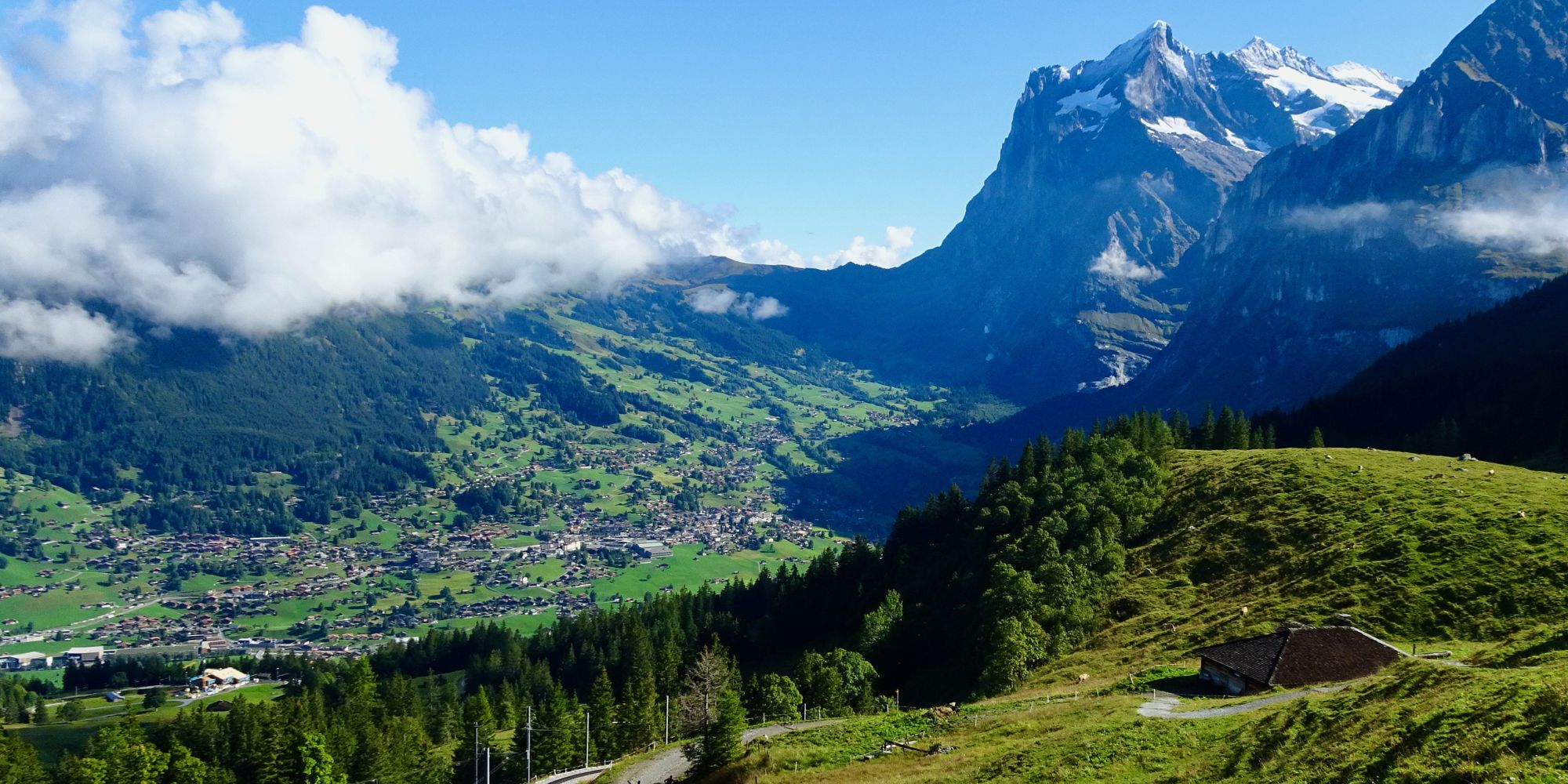
Switzerland has built one of the most efficient and environmentally friendlytransportation systems in the world. With an extensive network of trains, buses, and cable cars, travelers can access even remote alpine regions without relying on private vehicles.
This infrastructure significantly reduces emissions while also helping to distribute tourism across multiple regions, preventing overcrowding in any one area.
In addition, Switzerland has strong environmental policies on land use, waste management, and energy, helping preserve the alpine landscapes that define the country while keeping them accessible.
How we explore it responsibly
On our Switzerland: Hiking on the Via Alpina adventure, transportation becomes part of the experience.
We travel by train, gondola, and cable car to access trailheads, allowing us to experience a wide range of landscapes. We explore everything from alpine meadows to high mountain passes, without putting unnecessary strain on the environment. Along the way, we visit small villages, meet local producers, and enjoy regional specialties like mountain cheeses and chocolate.
What makes this trip sustainable
-
Heavy use of public transportation instead of private vehicles
-
Accessing multiple regions without overburdening one area
-
Supporting local producers (cheese makers, artisans, etc.)
-
Small group travel that aligns with low-impact exploration
-
Infrastructure that supports responsible access to alpine environments
How We Travel Matters
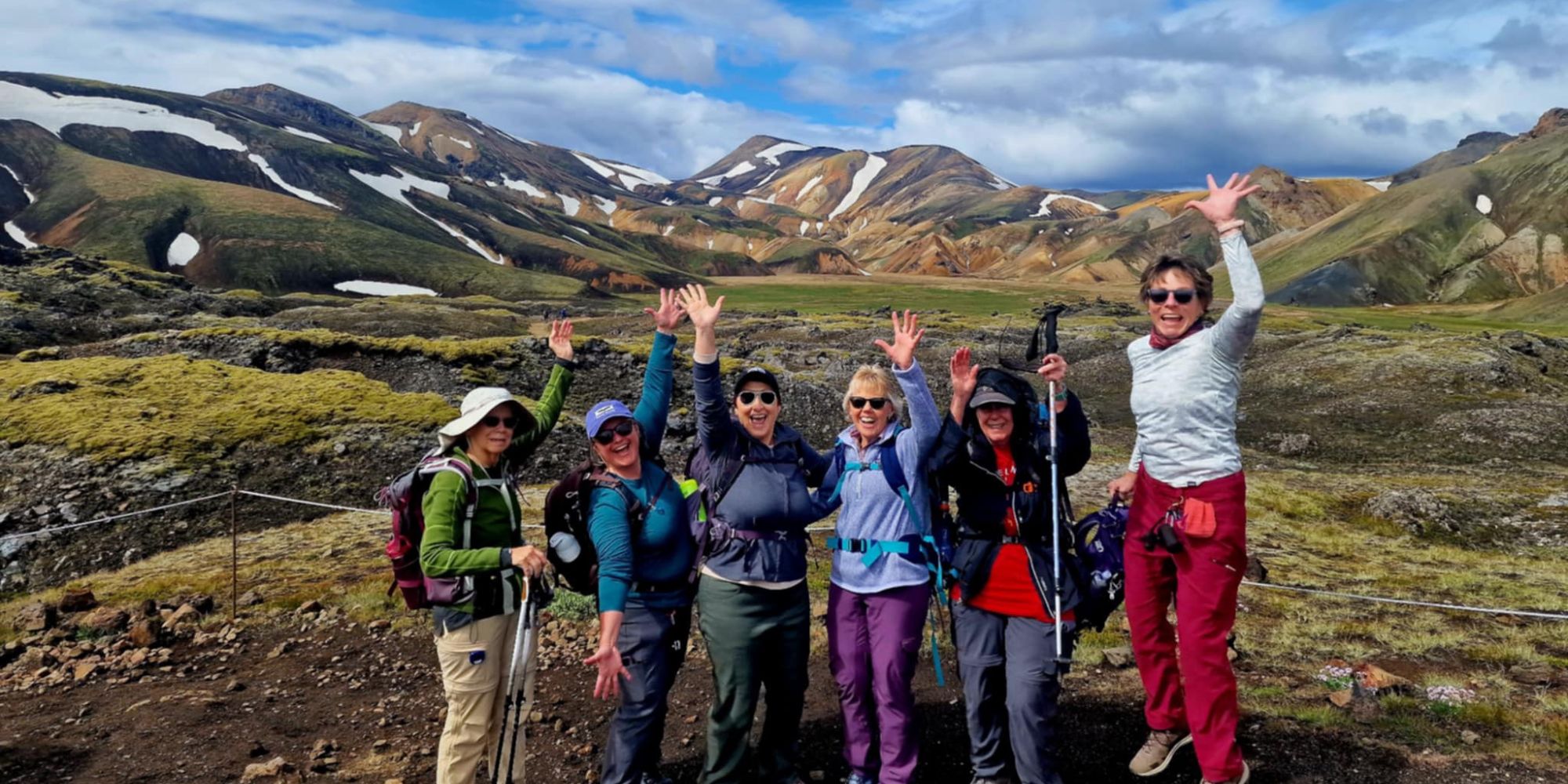
Choosing a sustainable destination is just one part of the equation. How you show up as a traveler matters just as much.
Places like Costa Rica, Iceland, Slovenia, the Galápagos, and Switzerland are leading the way for a reason. They’ve made intentional choices to protect their landscapes, support local communities, and manage tourism in ways that preserve what makes them special. But those efforts only work when travelers meet them with the same level of care.
At Adventures in Good Company, that’s exactly how we approach travel.
We design our trips to move through these places thoughtfully. We make sure to keep group sizes small, partner with local guides and businesses, and build itineraries that avoid overcrowded areas, while still offering meaningful, immersive experiences.
It also means slowing down. Taking the time to understand the ecosystems you’re walking through. Learning from the people who call these places home. And recognizing that being there is a privilege, not something to take for granted.
Sustainable travel isn’t about doing less. It’s about traveling with more awareness, more intention, and more respect for the places that make these experiences possible.