
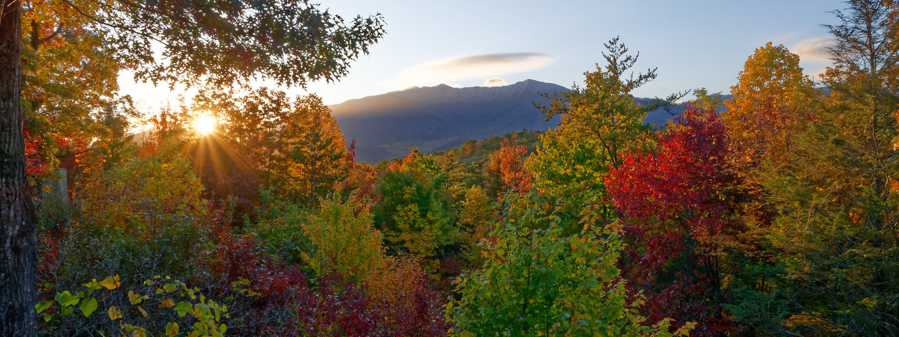
Fall color doesn't move at the same pace everywhere. Each region has its own timeline. The official start of fall lands in late September with the autumn equinox, but that date means something different depending on where you are: some states are still weeks from their first hint of color, while others are already deep into peak. New England can be past its best by the time the Southern Appalachians haven't even started. Here's what's actually driving color in each region, what it looks like around the U.S., and when to time a hiking trip so you catch it.

Why Regions Peak at Different Times
Three things drive when and how a region turns color: latitude, elevation, and which trees dominate the forest. Further north and higher up means shorter days and colder nights earlier in the season, which triggers color sooner. Tree species matter just as much: sugar maples turn early and bright, oaks turn late and hold their color longer, and a mixed forest gives you a longer overall window than a single-species stand. That's why a five-hour drive can mean a two-week difference in peak timing.
Northeast / New England
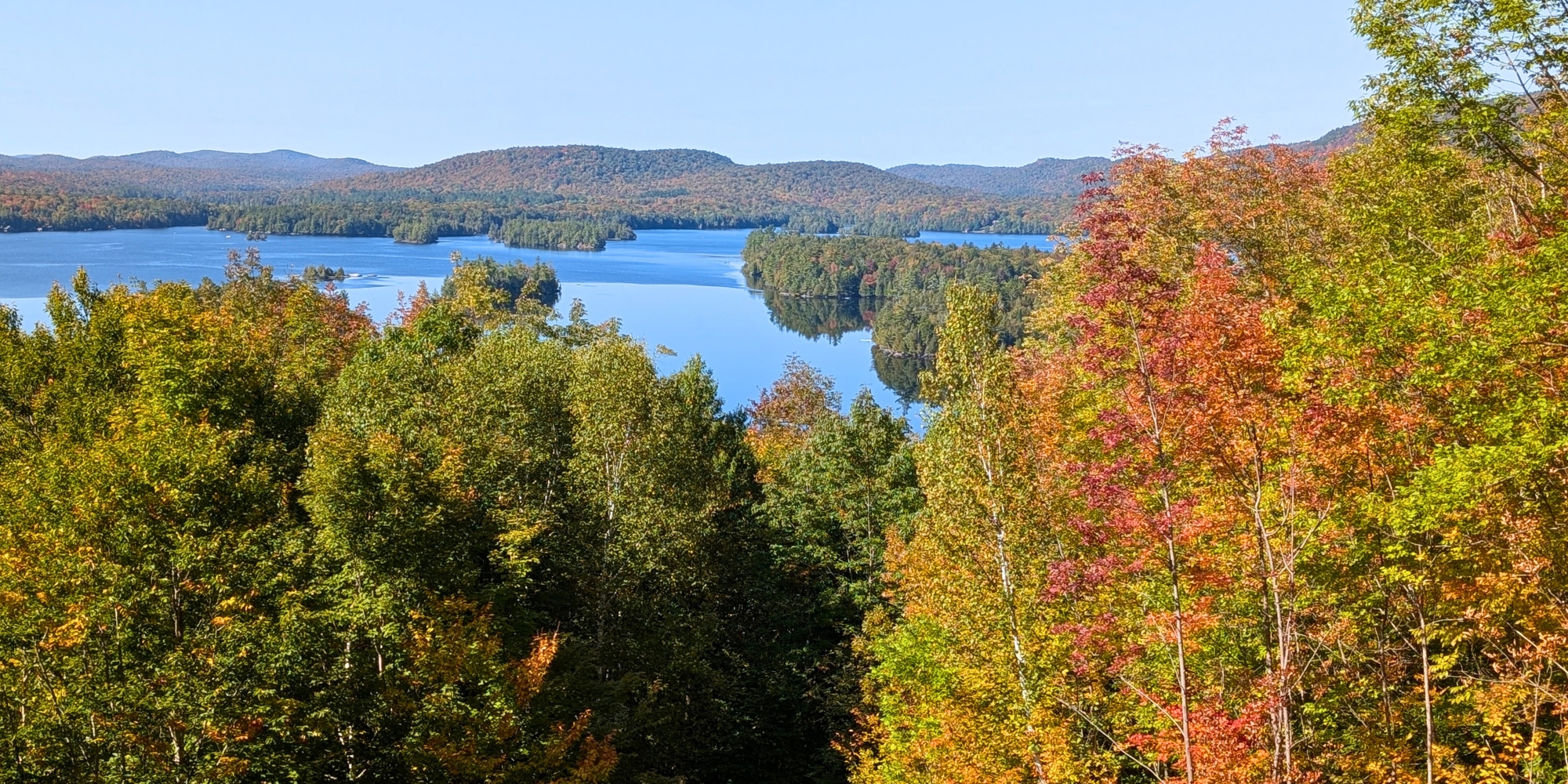
This is the fall foliage most people picture: sugar maples running through orange and scarlet, set against white birch and evergreen. New England peaks earliest and fastest of the major U.S. regions because of its northern latitude, and the sugar maple's color change is dramatic and quick once night temperatures drop. The season change happens past; miss it by a week, and you're looking at bare trees.
Peak window: late September to mid-October, moving south and to lower elevations as the season goes
What's turning: sugar maple (orange-red), birch (yellow), some early oak (russet)
AGC Trips for Fall Color:
Upper Midwest
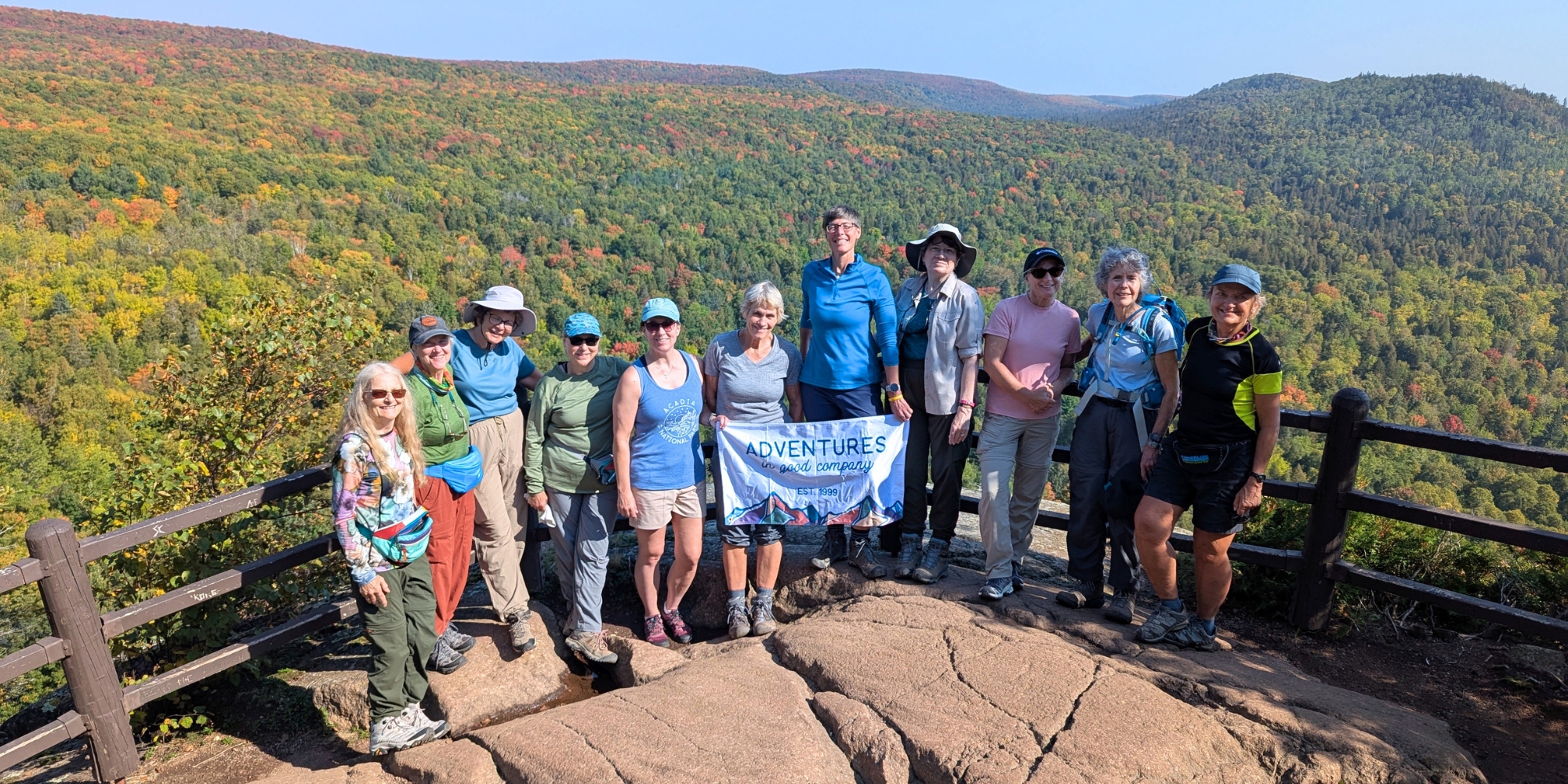
Similar palette to New England but with a different feel. Instead of foliage on a mountainside, you get sugar maple and birch reflected along still lake water, often with the season's first frost sharpening the air. This region turns early and fast, similar timing to New England, and is one of the more predictable windows on this list if you want color precision.
Peak window: late September to early October
What's turning: sugar maple and birch (gold and orange), aspen (bright yellow)
AGC Trips for Fall Color:
Mid-Atlantic
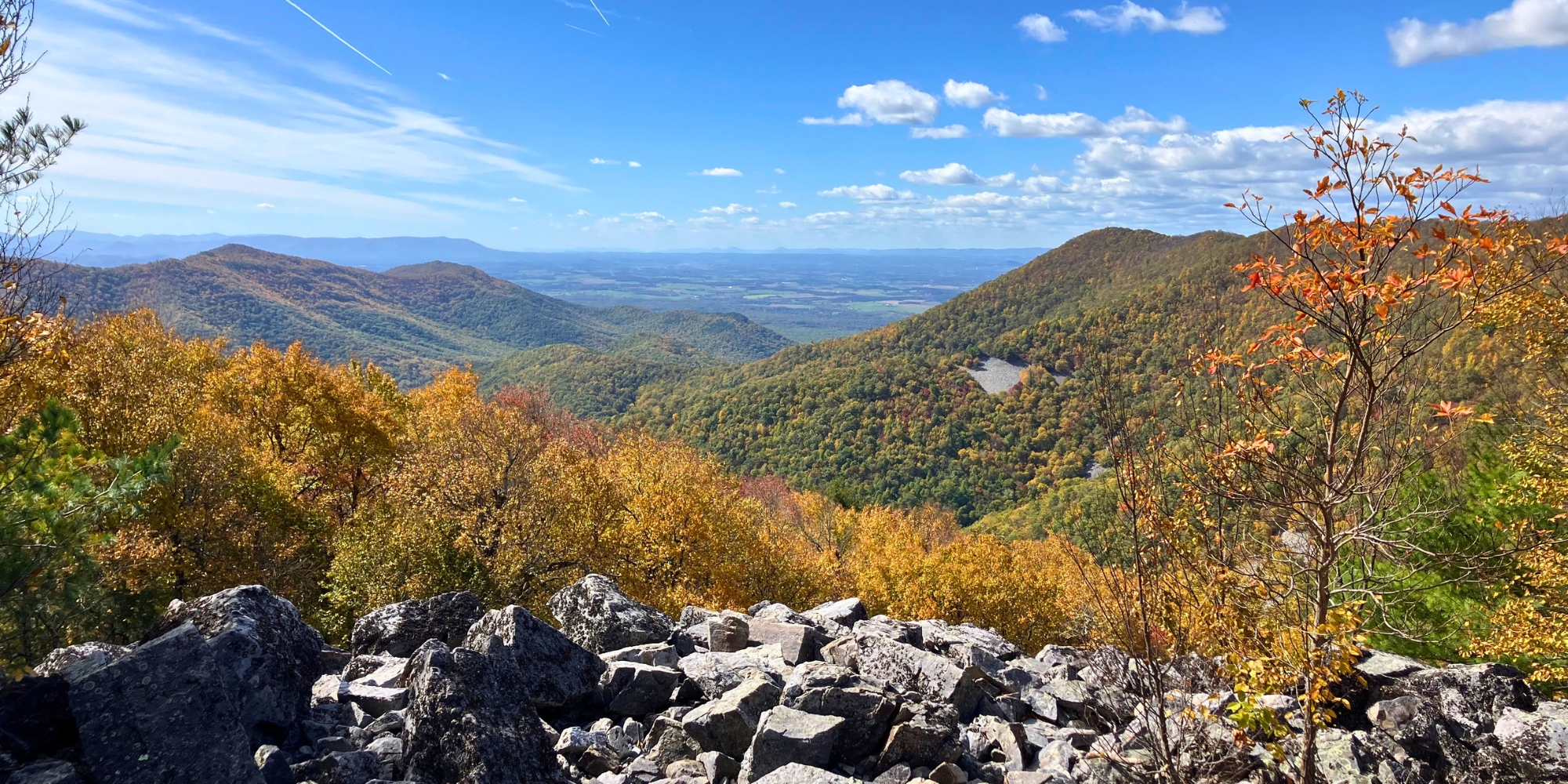
In this region, elevation does more of the work than latitude. Oak and hickory dominate, which means slower, more muted color than New England's maples; think deeper orange, maroon, and bronze rather than fire-engine red. The mountain ridgelines and elevation changes stretch the season out over several weeks instead of one small window. This is the most forgiving region on the list if your travel dates aren't flexible.
Peak window: early to mid-October, with higher elevations turning first
What's turning: oak and hickory (orange, maroon, bronze), maple mixed in at higher elevations
AGC Trips for Fall Color:
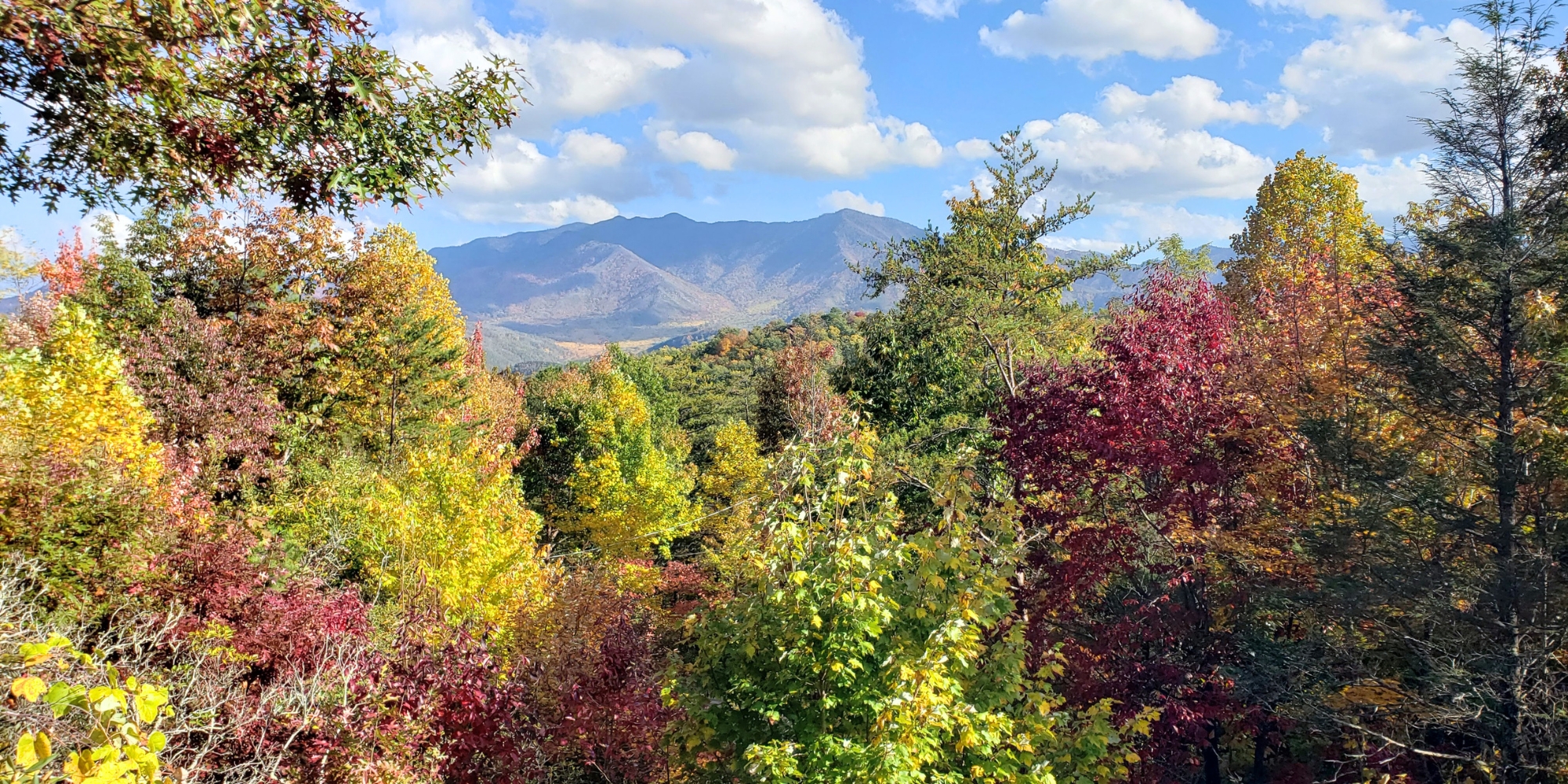
Southern Appalachians
The southernmost major fall foliage region in the East, and the last to turn. Because the color moves down in elevation over several weeks rather than arriving all at once, hiking trips here get a longer stretch of good days rather than a single weekend. Plus trails stay noticeably quieter than the more famous New England and Blue Ridge corridors.
Peak window: mid-October to early November, ridge tops first
What's turning: a wider mix than further north: maple, oak, hickory, sourwood (deep red)
AGC Trips for Fall Color:
Pacific Northwest
Color here is less abundant and later than people expect, since evergreens dominate the landscape rather than deciduous trees. Fall shows up in pockets instead of blanketing hillsides: bigleaf maples turn gold along river corridors, vine maples flare red, and larches turn a slow, deliberate yellow at higher elevations in the Cascades. Larch season is its own event, drawing hikers specifically for the one week when entire hillsides go gold. Rain and wind can strip color fast here, so a stretch of clear, cool weather matters more than the calendar date.
Peak window: early October (larches, high elevation) through late October/November (lower elevations)
What's turning: bigleaf maple and vine maple (gold, red), western larch (yellow)
AGC Trips for Fall Color:
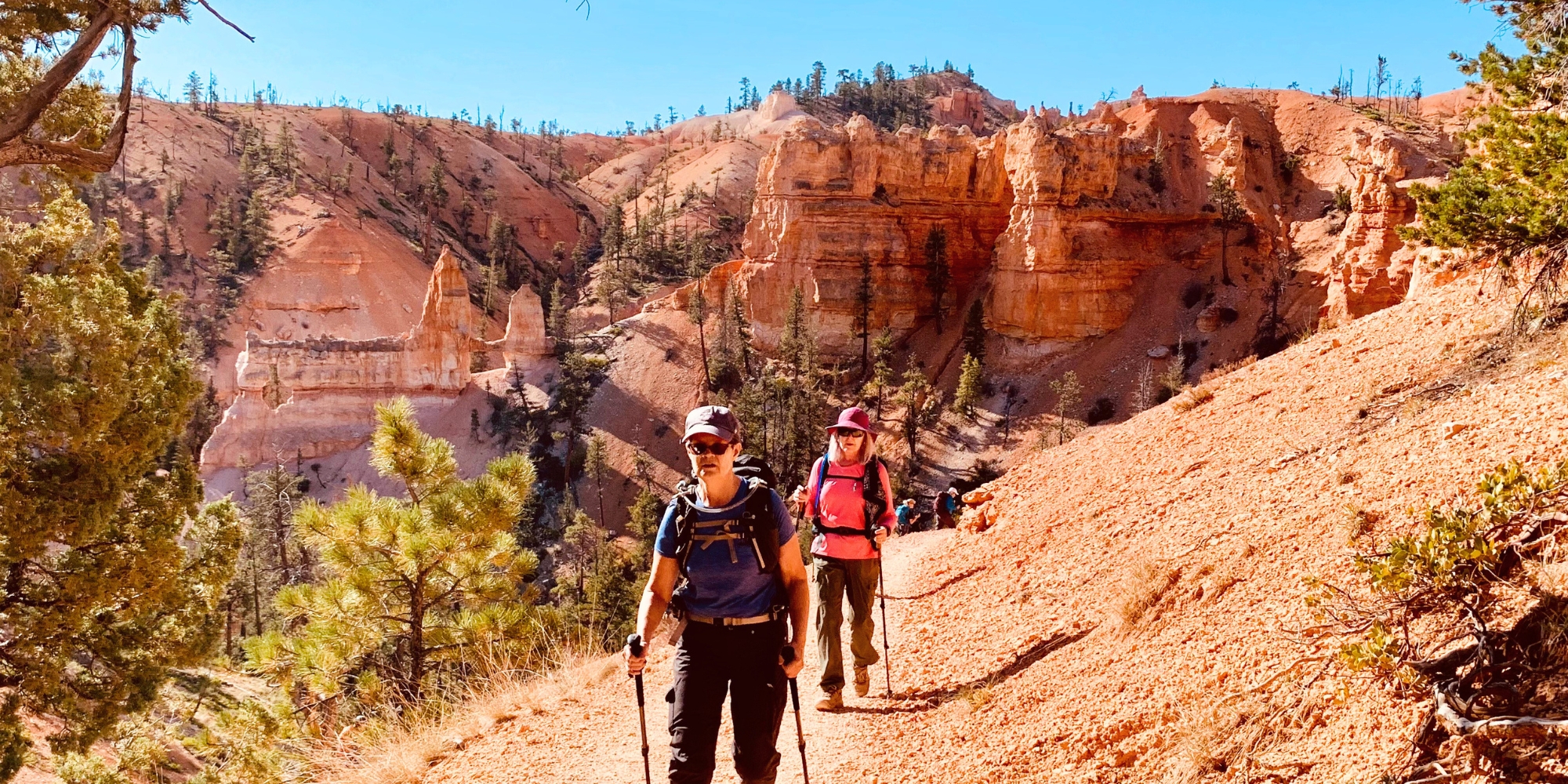
Southwest
Elevation does nearly all the work in this region. Aspens at 8,000 to 10,000 feet in places like the San Juans, the White Mountains, or the Sangre de Cristos can be peaking while the desert floor holds strong onto summer heat. The window is short and sharp in the Southwest, often just a week or two, since aspens tend to turn and drop together rather than linger. Timing a trip means watching a specific mountain range rather than a state, since color can be finished on one peak while it's just starting a few miles away at a different elevation.
Peak window: mid-to-late September at high elevation, moving fast
What's turning: aspen (gold), with little variation lower down
AGC Trips for Fall Color:
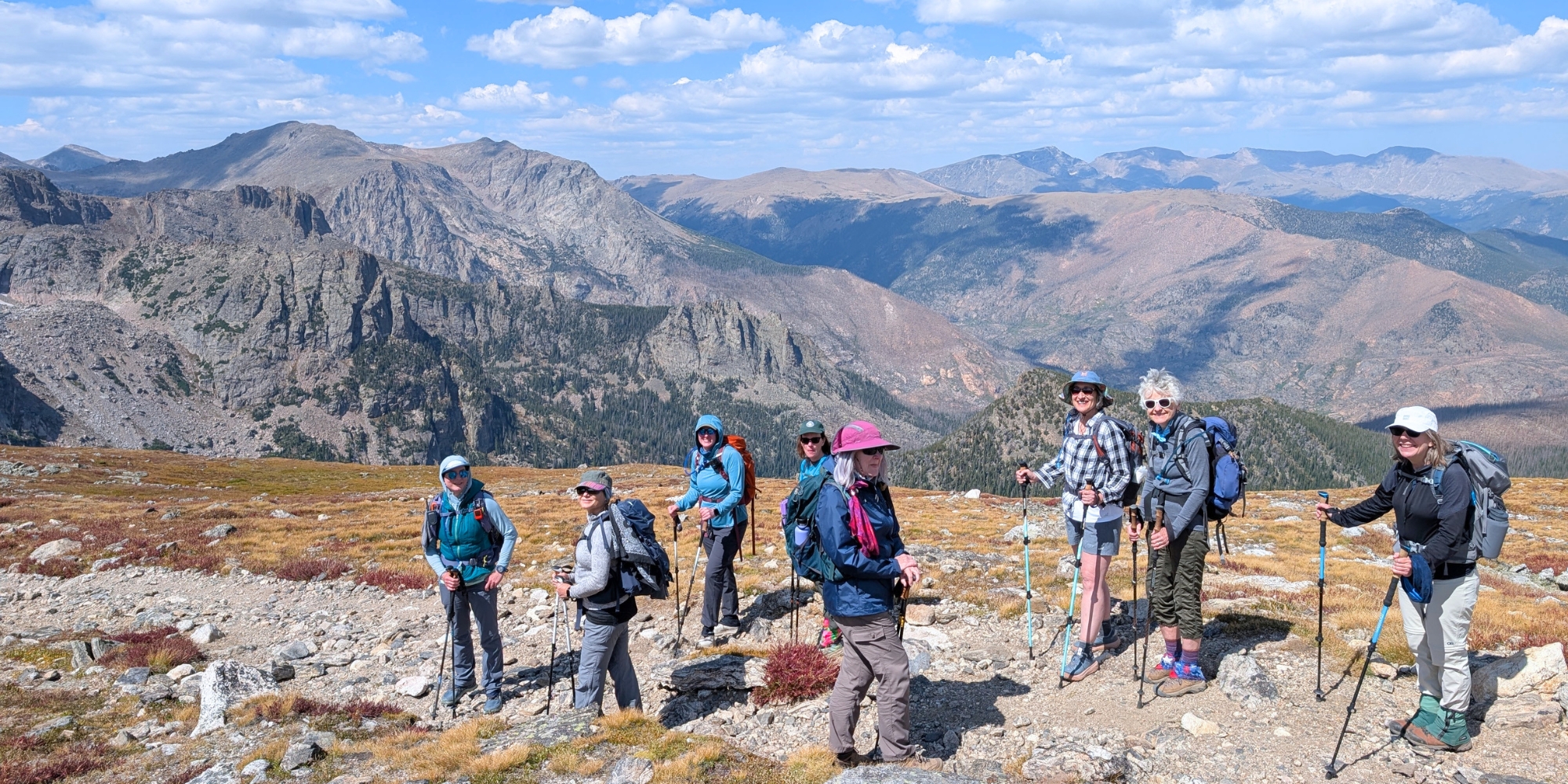
West
The Western U.S. mountains follow the same elevation-driven logic as the Southwest, but across a bigger range. Aspens across Colorado, Utah, and the Sierra Nevada can start turning at high elevation while lower elevations are still weeks out. Hues of yellow and gold move downhill through the full month of October. The Sierra adds another layer: black oaks and dogwoods in the lower canyons change color separately from the aspen groves above, so a single trip can catch two different fall palettes depending on how much elevation you're planning to gain.
Peak window: mid-September (high elevation aspen) through mid-October (lower canyons)
What's turning: aspen (gold) up high, black oak and dogwood (red, orange) in lower canyons
AGC Trips for Fall Color:
-
Peak Pursuits in Colorado's Rocky Mountain National Park (we go during fall some years)
How to Actually Time Your Trip
Foliage forecasts shift year to year with rainfall and temperature, so treat any date range as a guide, not a guarantee. A few rules of thumb:
-
Higher elevation turns first. If a trip covers a range of elevations, you'll likely catch some color when traveling in September and October no matter when you go.
-
A dry, mild fall pushes peak color later. A summer drought or an early frost can push it earlier.
-
Local ranger stations and state park foliage trackers update weekly once color starts moving, and they're more reliable than any national prediction map.
Ready to catch the color? Browse our fall departures to see what’s still available for this year, or reach out, and we'll help you find the right trip and the right week.