
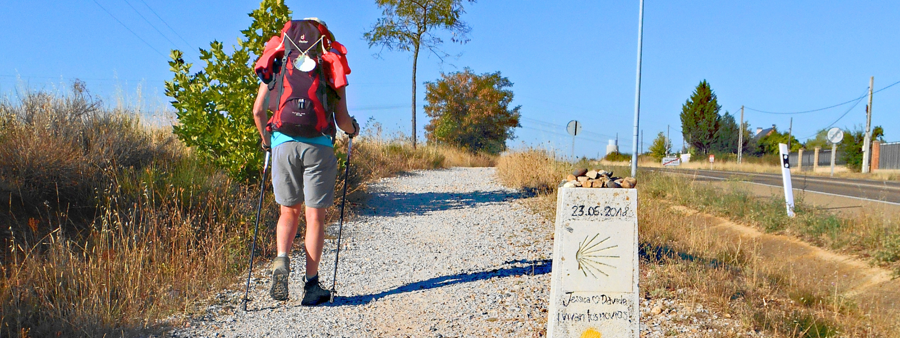
Walking the Camino is an unforgettable journey that takes you from the historic streets of Santiago de Compostela to the rugged Atlantic coastline of Galicia. Along the way, pilgrims pass through forests, farmland, small villages, and eventually reach the dramatic cliffs of Cabo Fisterra, once believed to be the edge of the known world.
Because the Camino involves several consecutive days of walking, packing the right gear can make a big difference in your comfort and enjoyment along the trail. The key is finding the right balance: bringing everything you need while keeping your pack light enough for long days of walking.
Below is a practical packing guide to help you prepare for the journey.
The Most Important Rule: Pack Light
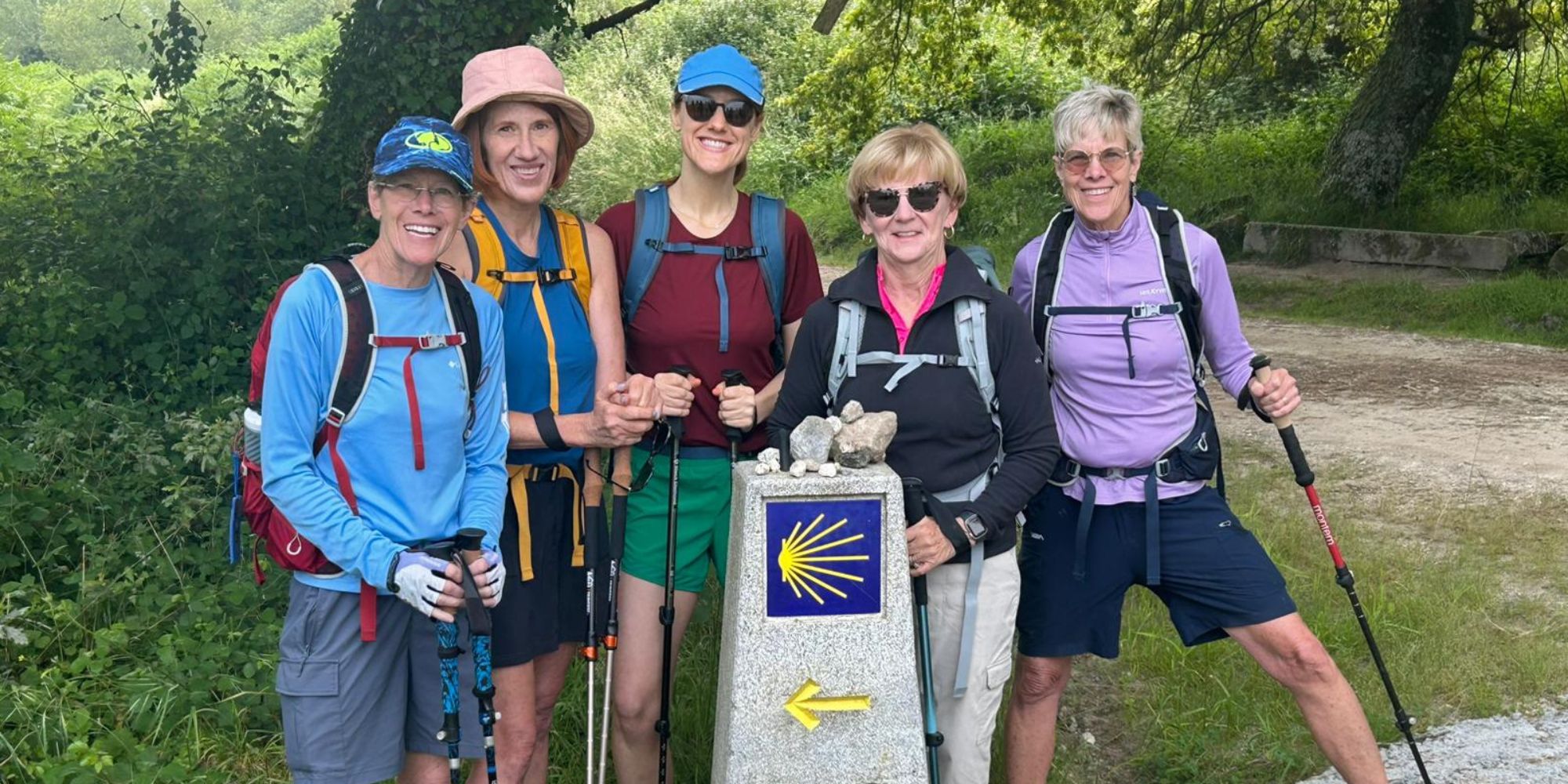
Before diving into specific items, the most important rule of Camino packing is simple: pack lighter than you think you need. Many experienced pilgrims follow the rule that your backpack should weigh no more than 10% of your body weight. Even with luggage transfers, most walkers still carry a daypack with essentials like water, snacks, rain gear, and extra layers.
Choosing lightweight clothing and versatile gear can make the entire journey much more comfortable.
Footwear: The Most Important Gear Choice
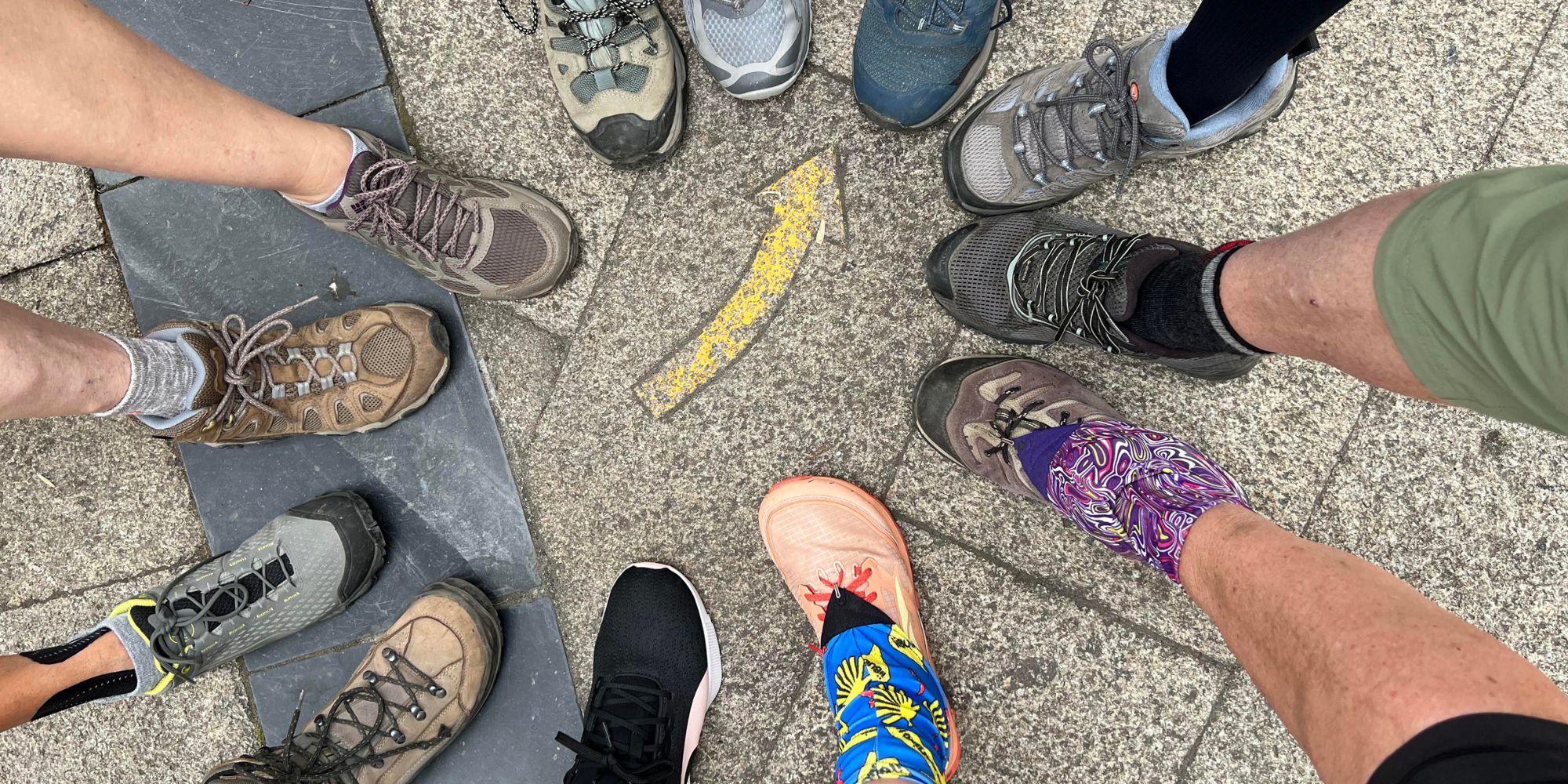
Your footwear will likely be the most important decision you make when preparing for the Camino Finisterre. The route includes a mix of dirt trails, rural roads, and occasional paved sections, so comfortable walking shoes, lightweight hiking boots or trail runners are ideal.
Most pilgrims choose footwear that is already well broken-in before the trip begins.
Recommended options often include:
A Comfortable Daypack
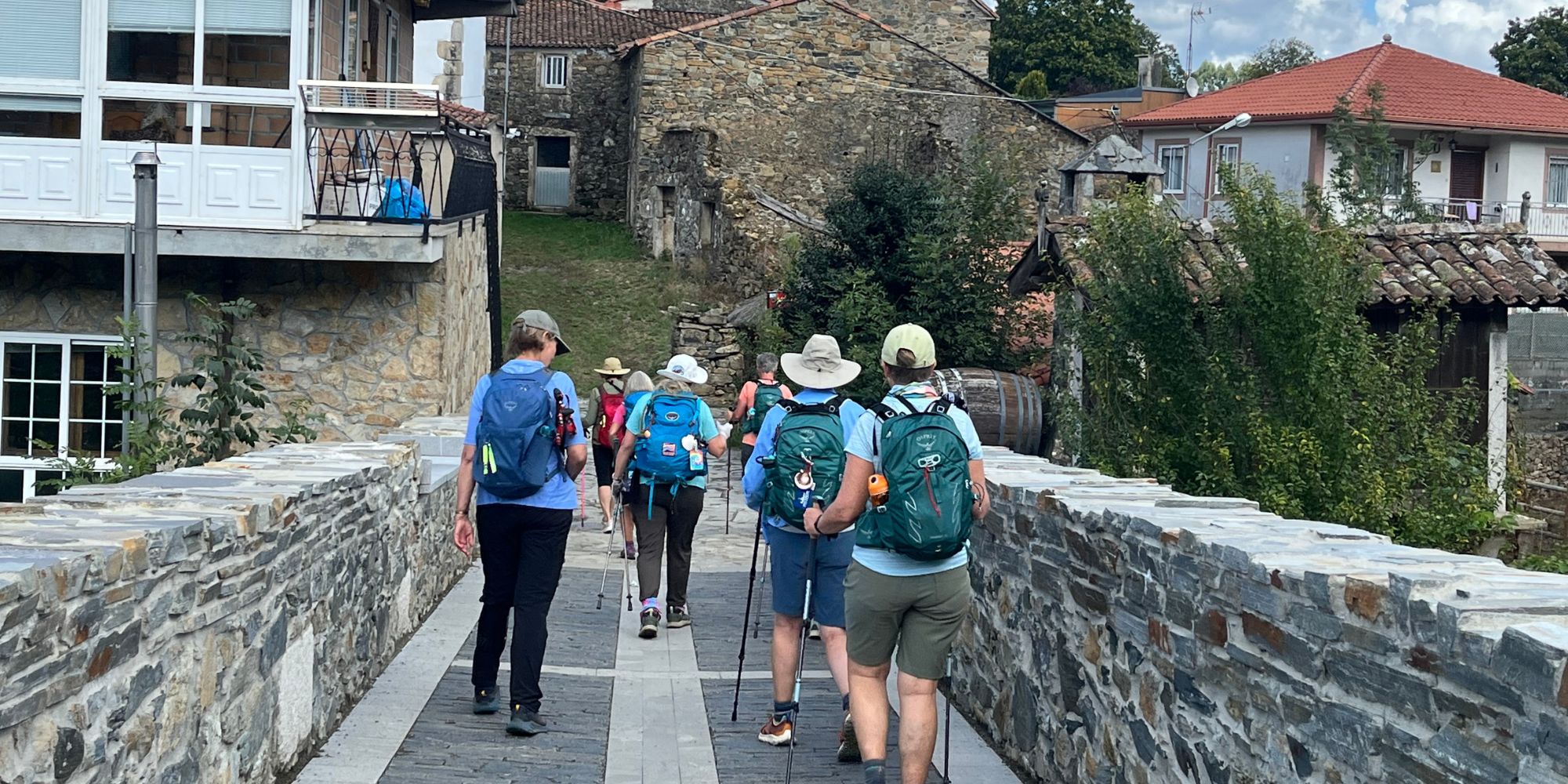
Even if your luggage is transferred between accommodations, you will still carry a small daypack during your daily walks. Each day you’ll be walking anywhere between 8-13 miles, so it’s important to still carry your essentials: water, food, layers, first aid, and any other needed toiletries. Your pack should be comfortable, breathable, and large enough to hold all your daily essentials.
Most Camino walkers find that a 20–30 liter pack works well.
Daily essentials usually include:
-
Snacks or a packed lunch (AGC guides provide this)
-
Rain jacket and pack rain cover
-
Extra clothing layer
-
Sun protection
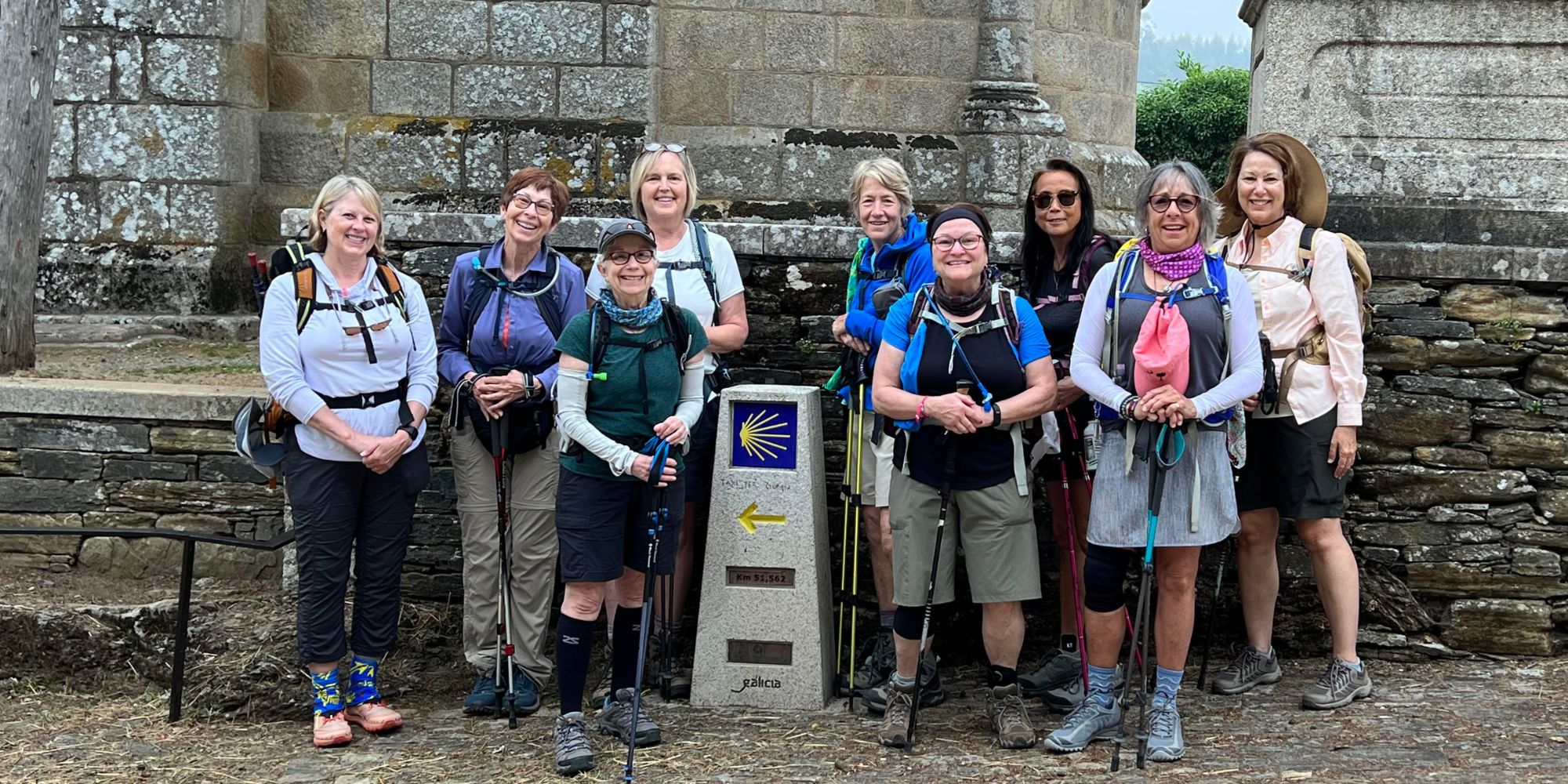
Clothing for Variable Weather
The weather in Galicia can change quickly, especially in the spring and fall. Even in summer, mornings may be cool and afternoons warm. Layering is the best strategy for staying comfortable throughout the day. You’re hiking long days in open trails, so by the middle of the day, it’s likely you’ll shed layers as the sun becomes brighter and you body heats up.
A typical Camino clothing system includes:
-
Lightweight hiking pants or shorts
-
Packable fleece or puffer jacket
-
A waterproof rain jacket
Many walkers bring a few sets of hiking clothes and rotate them throughout the trip.
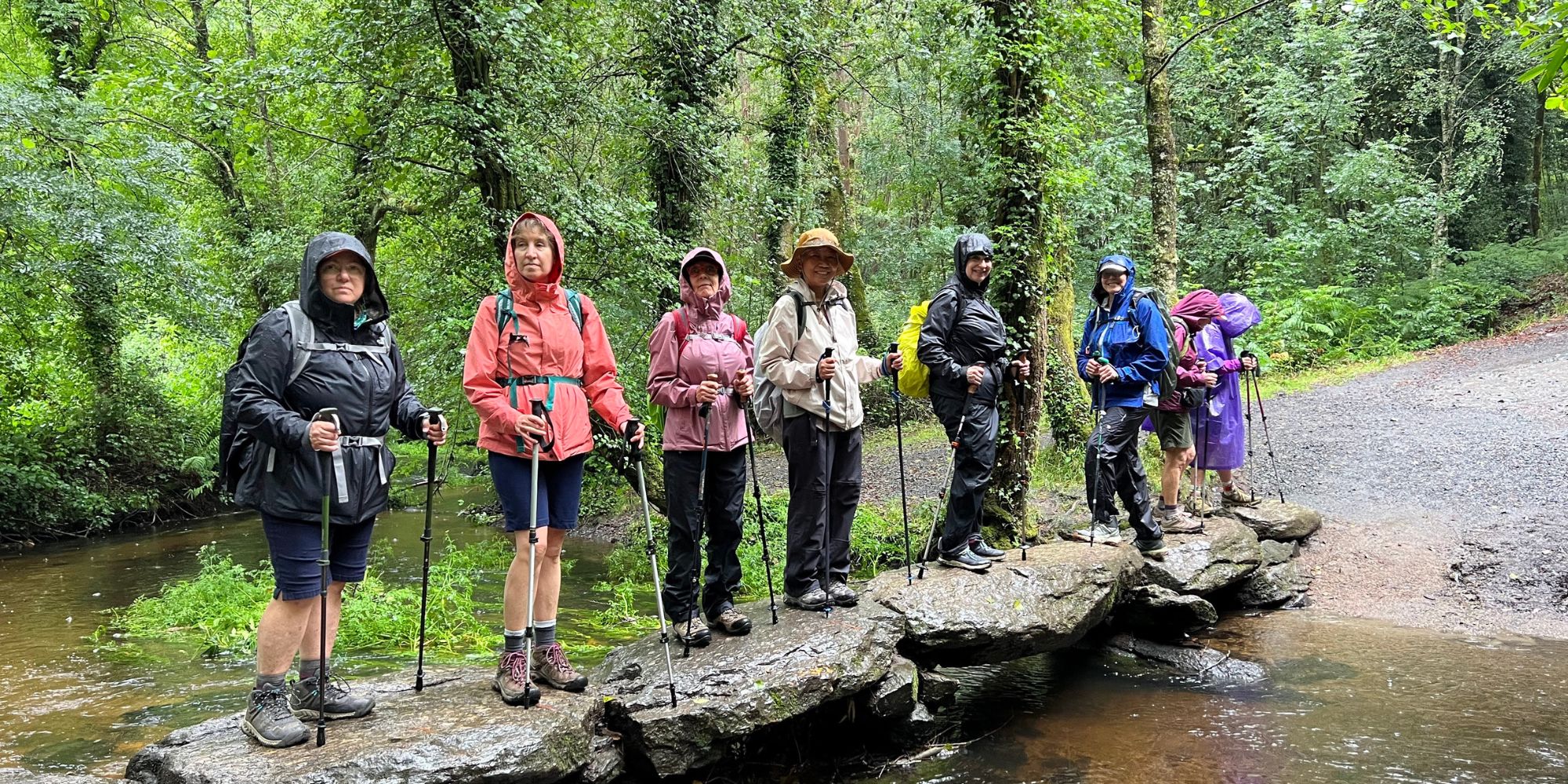
Rain Protection
Galicia is known for its lush green landscapes and the occasional rain shower that helps keep them thriving. Even during drier months, it’s wise to bring reliable rain gear. This is something many hikers come to rely on after one too many times of being stuck in unexpected weather.
This usually includes:
-
Waterproof rain jacket
-
Backpack rain cover
-
Quick-dry clothing
Having rain protection ensures you can continue walking comfortably even if the weather changes.
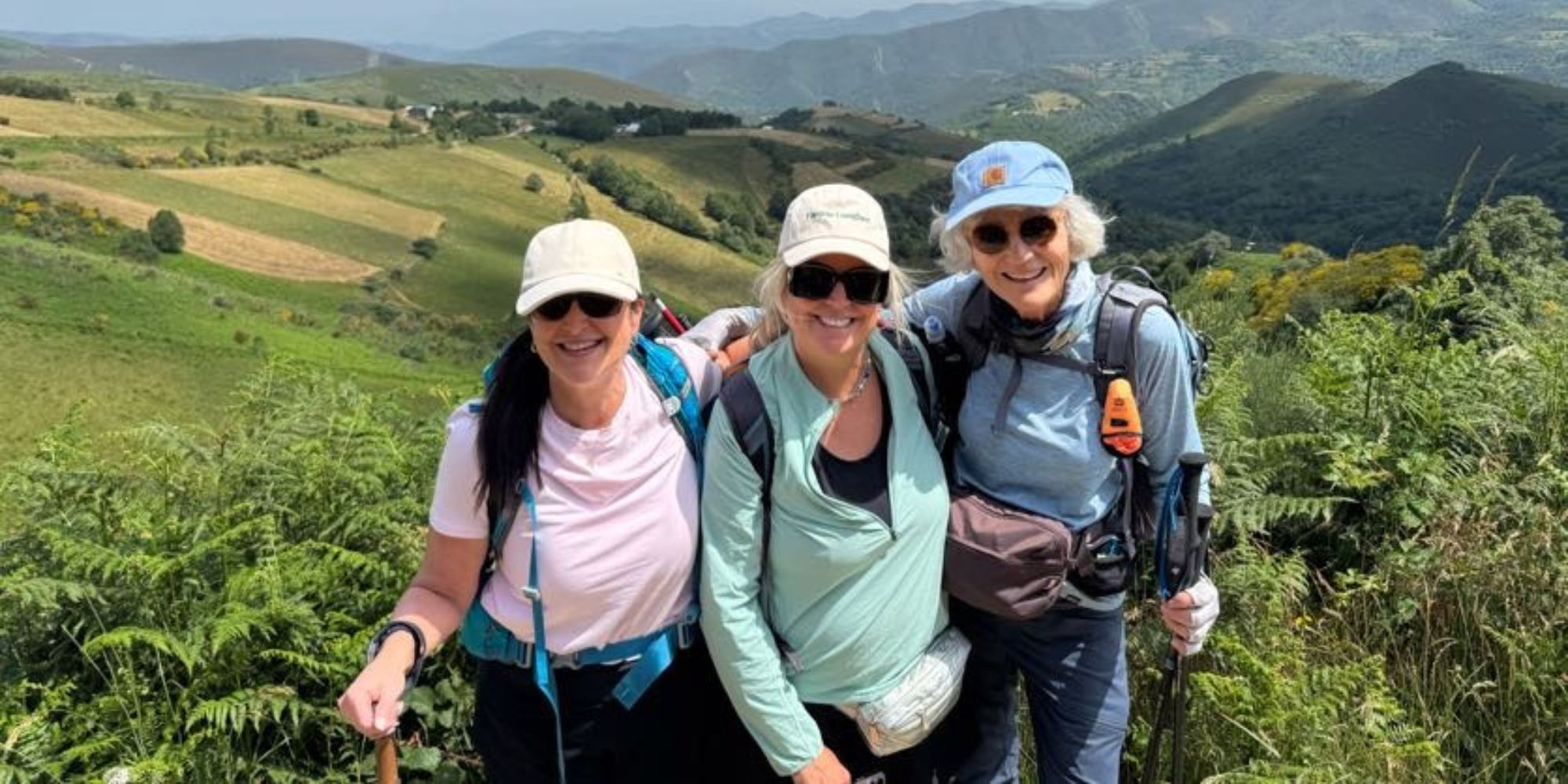
Small Comfort Items That Make a Big Difference
Some of the most appreciated items on the Camino are small comforts that help during long days of walking. These items can make daily hiking more comfortable and help reduce fatigue along the trail.
Many experienced pilgrims recommend bringing:
-
Trekking poles for downhill sections
-
Sunglasses and a sun hat
-
Lip balm and sunscreen
-
Lightweight sit pad for breaks
-
Electrolyte tablets for hydration
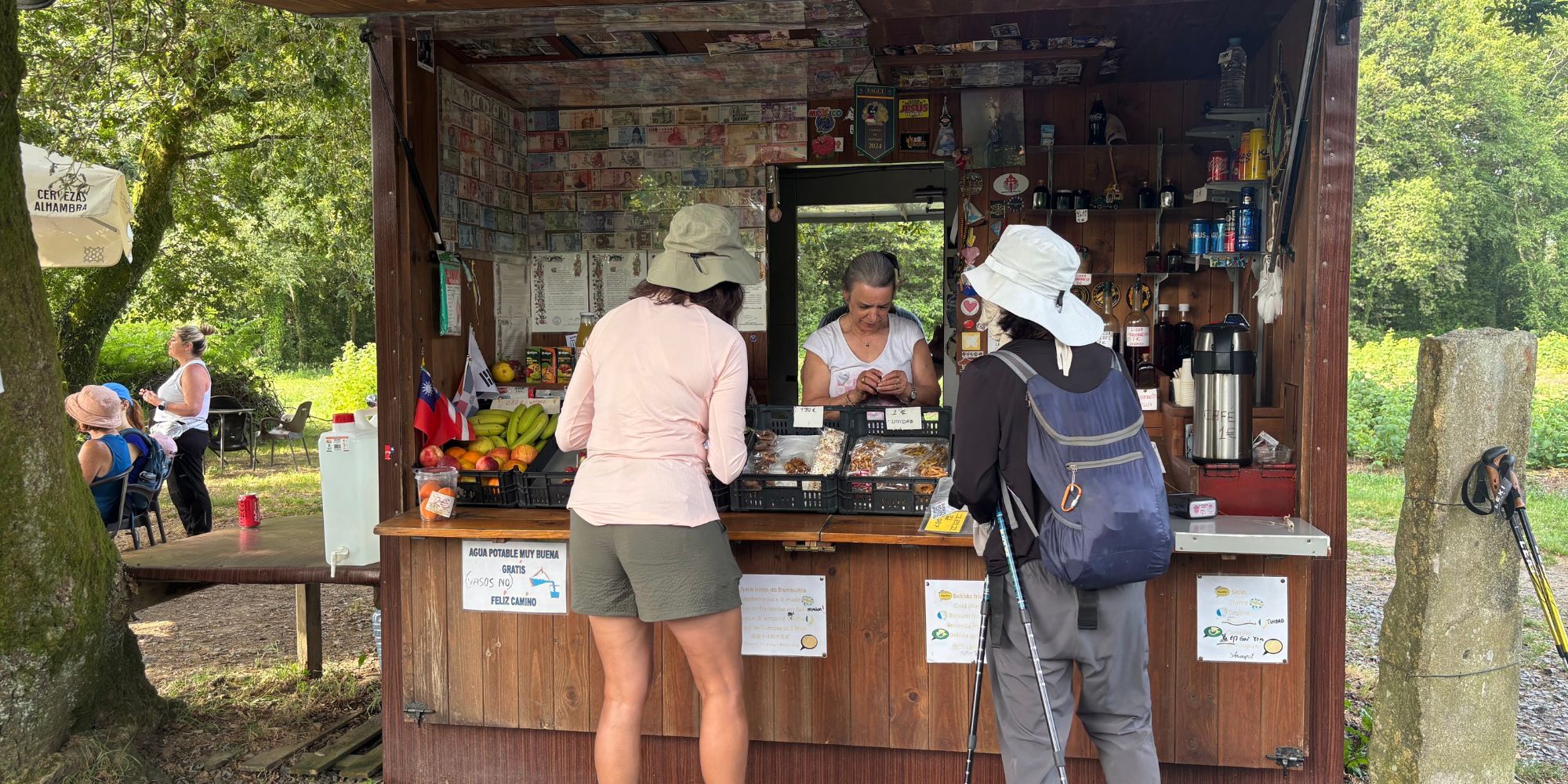
Pilgrim Essentials
There are also a few items unique to the Camino experience that connect modern travelers to centuries of pilgrimage tradition.
Pilgrims typically carry a Camino passport, also known as a credential, which is stamped along the route in churches, cafés, and accommodations. These stamps serve as a record of the journey and help verify the distance walked.
At the end of the traditional Camino de Santiago, pilgrims who have walked at least the final 100 kilometers can present their stamped passport at the Pilgrim Office in Santiago to receive the Compostela, the official certificate recognizing completion of the pilgrimage.
For those who continue beyond Santiago on the Camino Finisterre, there is a second certificate known as the Finisterrana (or the Muxiana if you continue to Muxía). This document recognizes pilgrims who complete the historic route from Santiago to the Atlantic coast.
Many walkers also attach a scallop shell to their backpack, the traditional symbol of the Camino. Historically, pilgrims arriving at the coast collected scallop shells as proof they had reached the sea. Today, the shell remains a recognizable emblem of the pilgrimage and a small reminder that you are following one of Europe’s most historic walking routes.
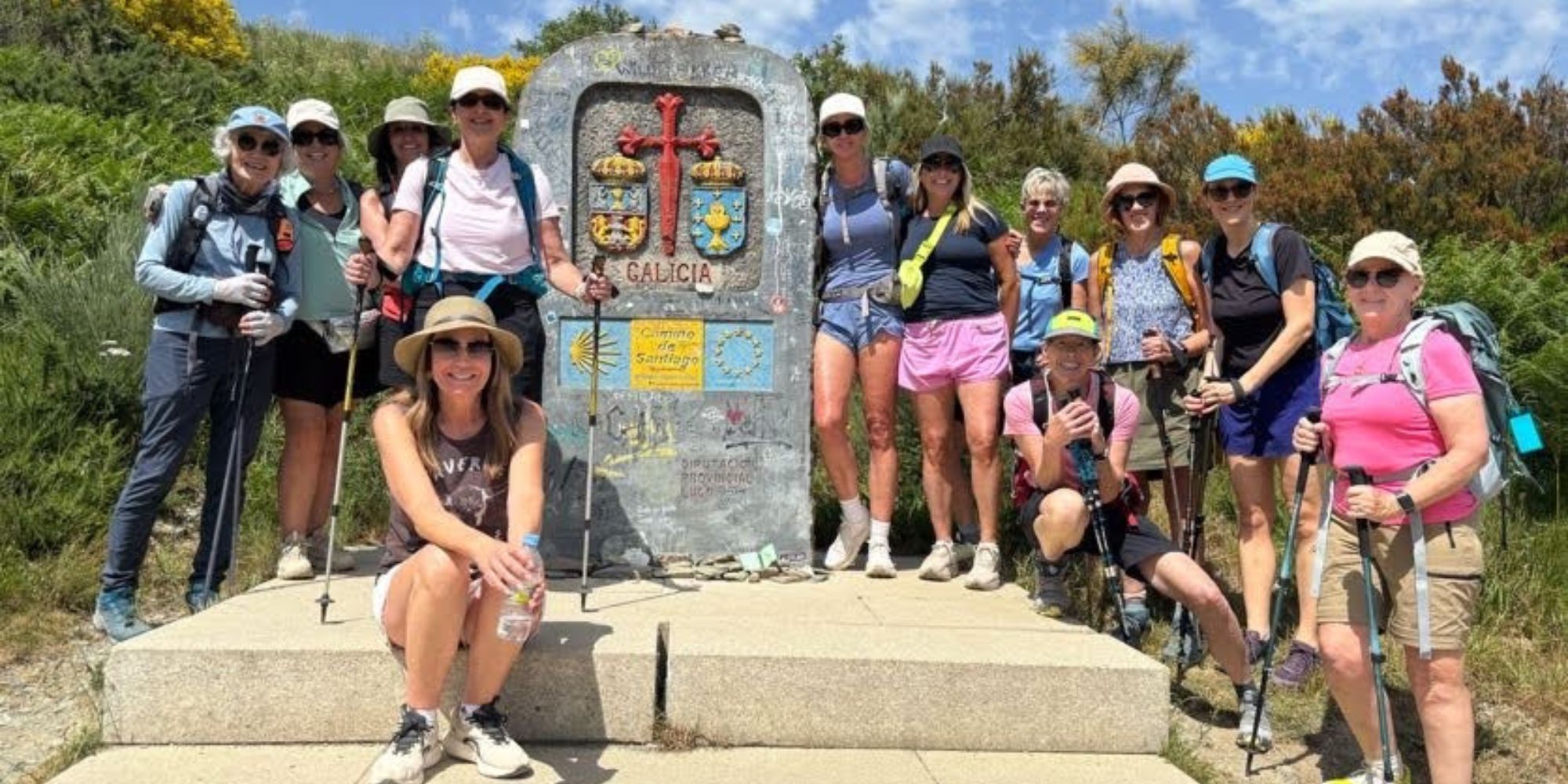
Packing Light for the Camino
Overpacking is one of the most common mistakes first-time pilgrims make. Fortunately, many accommodations along the Camino offer laundry services, which means you don’t need to pack a full wardrobe.
Items you can usually leave at home include:
-
Multiple pairs of shoes
-
Heavy jackets
-
Large toiletries
-
Too many clothing changes
Keeping your pack simple and lightweight makes each day of walking much more enjoyable.
The Camino isn’t just about reaching a destination; it’s about the rhythm of walking, the landscapes you pass through, and the people you meet along the way. Packing thoughtfully allows you to focus less on what you’re carrying and more on the experience itself.
After all, the most memorable part of the Camino isn’t what you bring with you, it’s what the journey leaves with you long after the adventure concludes.
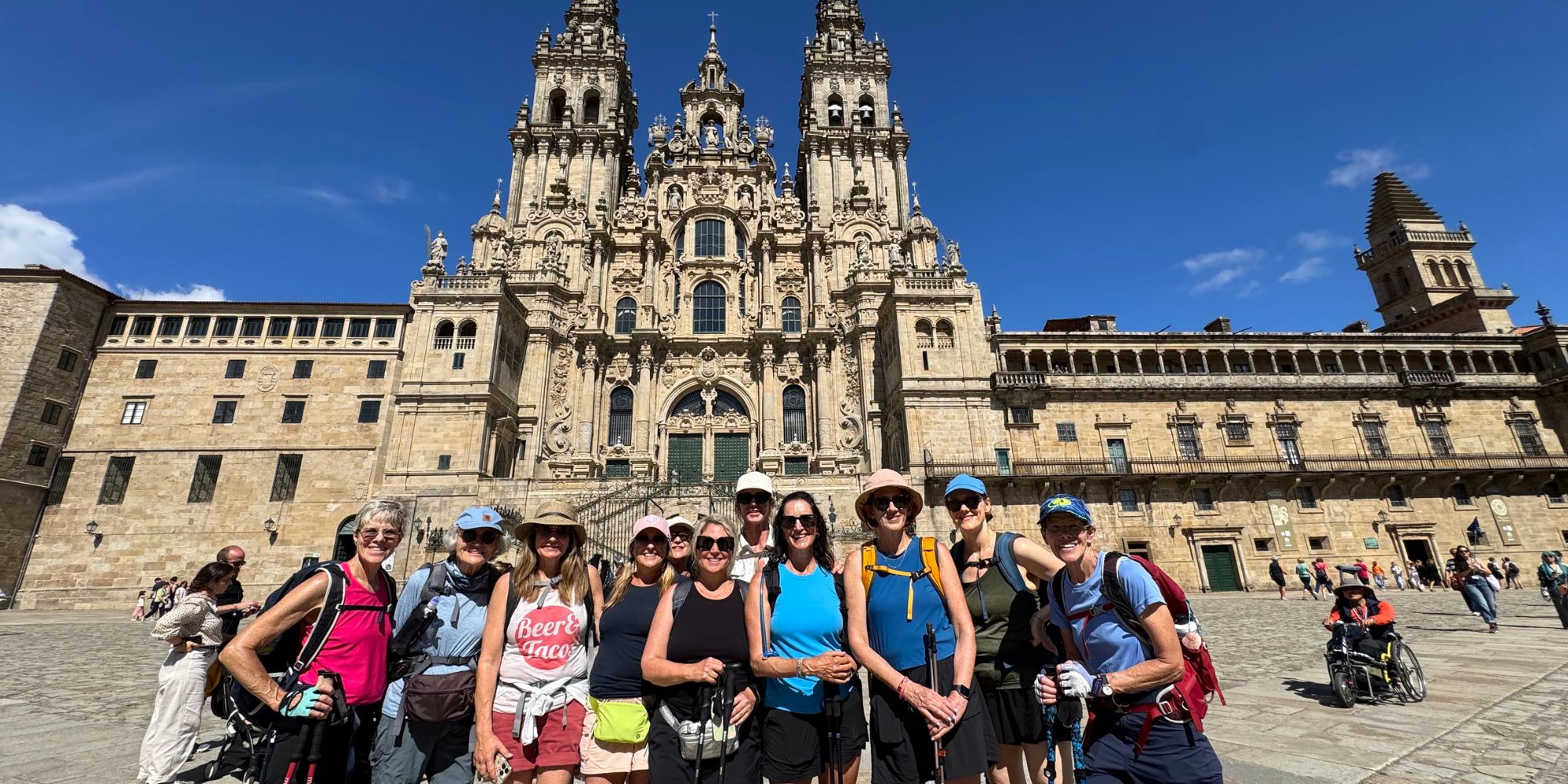
Walking the Camino with Support
For travelers who want the experience of walking the Camino without worrying about logistics, guided trips offer a comfortable way to experience the journey.
On our Santiago to the Sea: Camino Finisterre and On the Camino de Santiago adventures, travelers walk this historic route with experienced guides while staying in charming family-run hotels along the trail. Luggage transfers allow participants to carry only a small daypack during the walk.
For many travelers, it becomes one of the most meaningful and memorable walking adventures they’ve ever taken.
Final Packing Tip
The Camino isn’t just about reaching a destination; it’s about the rhythm of walking, the landscapes you pass through, and the people you meet along the way. Packing thoughtfully allows you to focus less on what you’re carrying and more on the experience itself. After all, the most memorable part of the Camino isn’t what you bring with you, it’s what the journey leaves with you.