
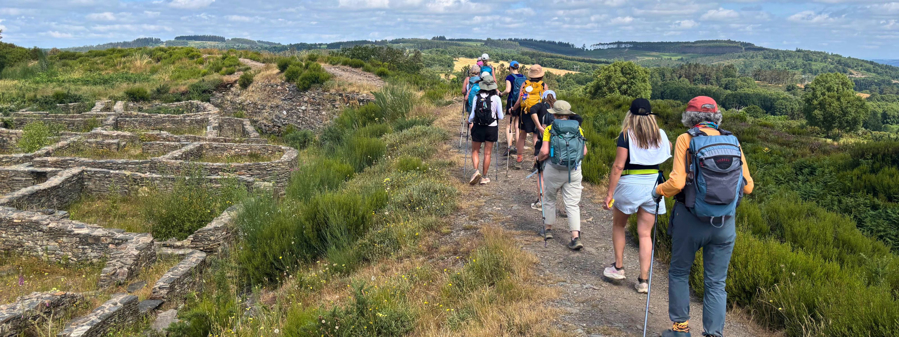
The Camino de Santiago is one of the most famous pilgrimage routes in the world. Each year, thousands of travelers follow the historic paths across Spain, walking toward the Cathedral of Santiago de Compostela.
But for some pilgrims, reaching Santiago isn’t quite the end of the journey.
Beyond the cathedral lies another route that continues west toward the Atlantic Ocean—the Camino Finisterre. Once believed to lead to the edge of the known world, this lesser-known trail offers a quieter continuation of the Camino experience.
If you're considering walking one of these routes, you might wonder how they differ. While both are deeply connected to the same pilgrimage tradition, the experience of walking them can feel surprisingly different.
Let’s explore what makes each route unique and how travelers decide which path is right for them.

Where Do These Routes Begin and End?
The most fundamental difference between these two Caminos is the direction of travel.
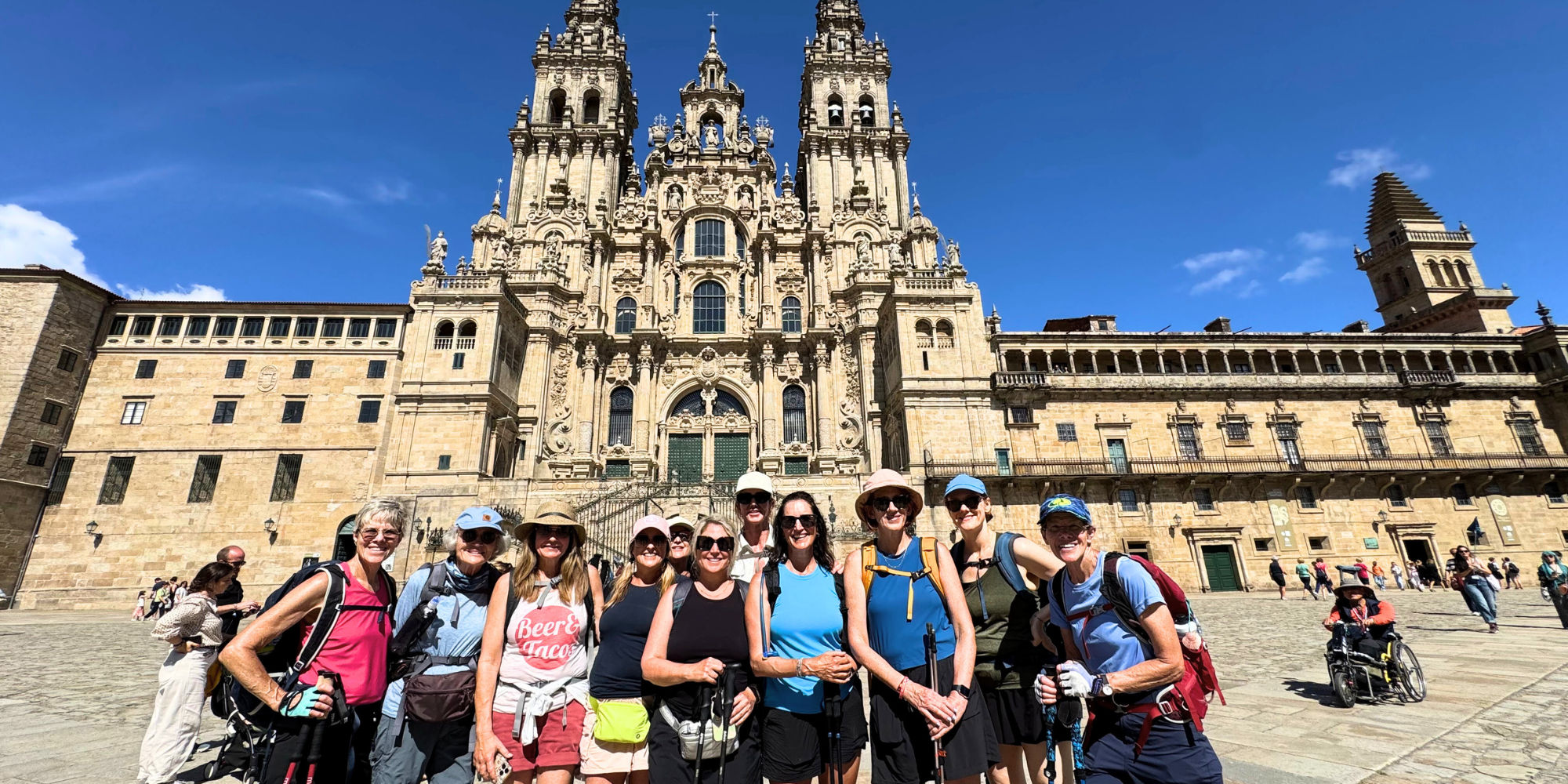
The Camino de Santiago refers to a network of pilgrimage routes across Europe that all lead toward Santiago de Compostela, where the tomb of Saint James is believed to rest inside the city’s cathedral. Pilgrims walk for days or even weeks to arrive in Santiago, often celebrating their journey in the cathedral square alongside travelers from around the world.
The Camino Finisterre, on the other hand, begins after Santiago.
This route starts in Santiago de Compostela and travels west across the Galician countryside to the Atlantic coast. The trail leads to the seaside town of Finisterre and often continues north to Muxía, a fishing village known for its dramatic ocean views and the Sanctuary of the Virgin of the Boat.
In other words, while the Camino de Santiago leads to Santiago, the Camino Finisterre leads beyond it.
Scenery and Landscape
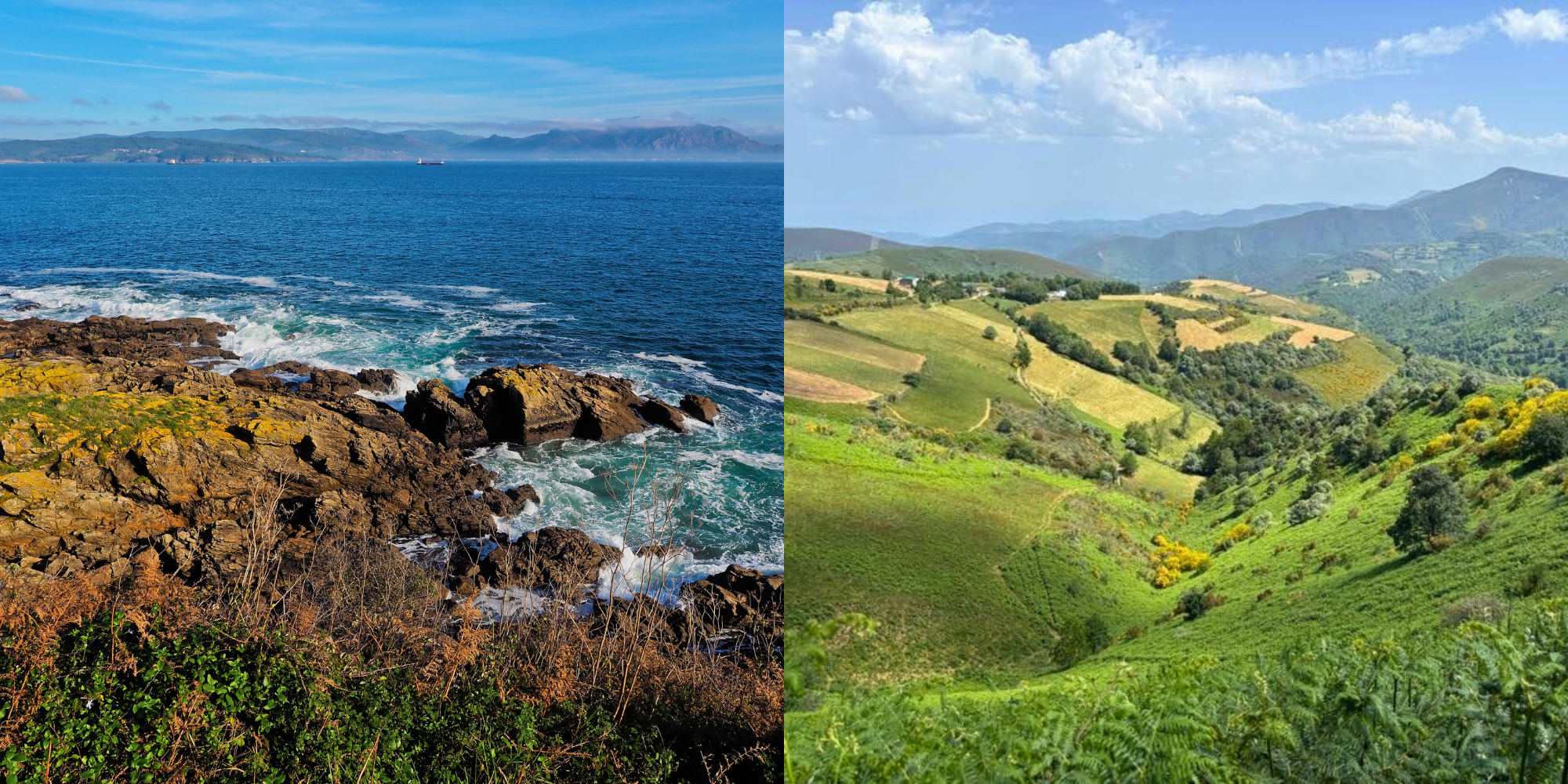
Both routes showcase beautiful landscapes in Galicia, but the scenery changes as you move from inland pilgrimage paths toward the coast.
-
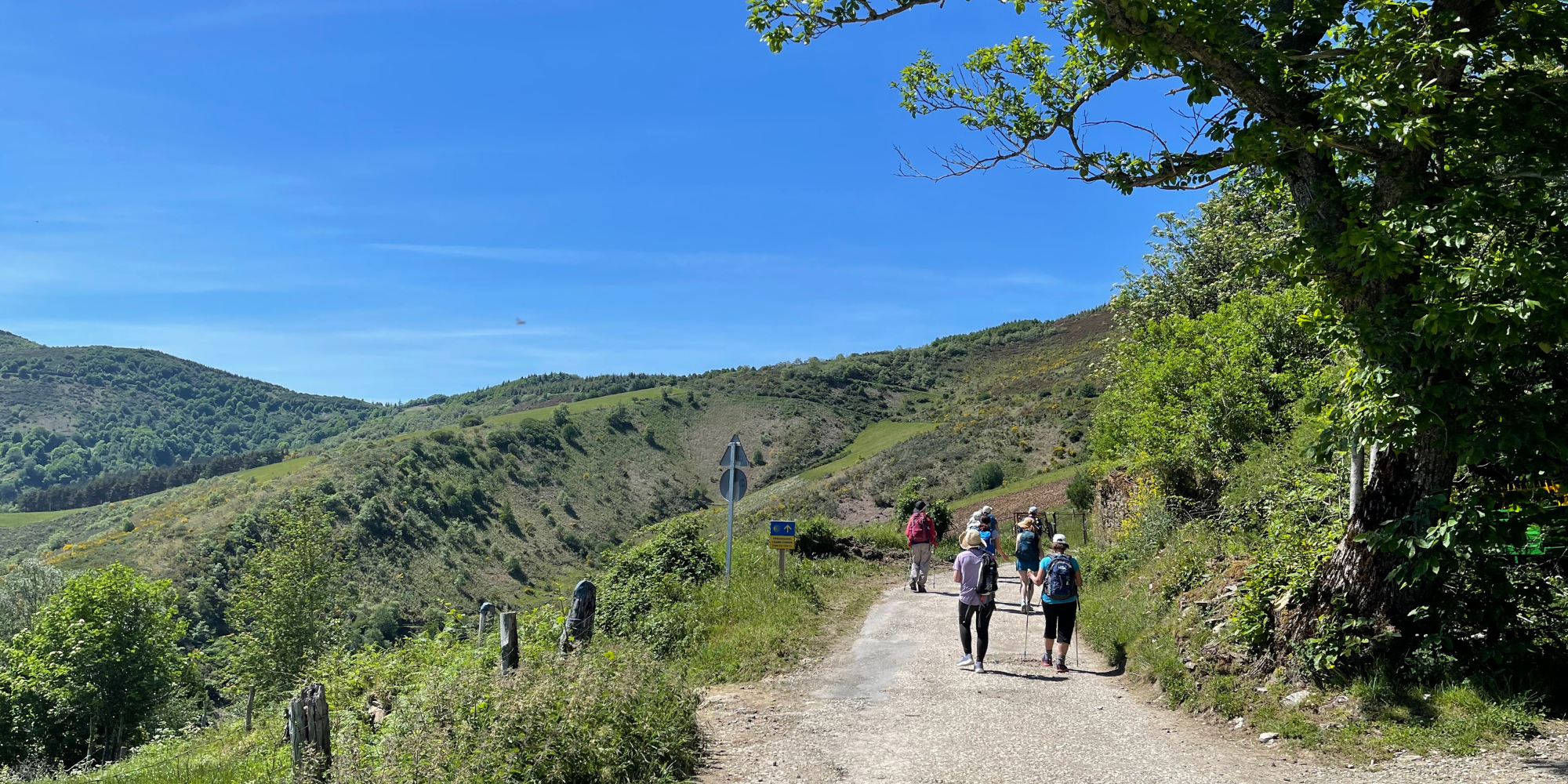
Camino de Santiago passes through oak forests, farmland, medieval villages, and rolling green hills. Stone churches, ancient bridges, and historic pilgrimage towns appear regularly along the trail. Many walkers enjoy the sense of moving through centuries of history while following paths used by pilgrims for over a thousand years.
-
Camino Finisterre begins with similar countryside but gradually transitions toward coastal scenery. As travelers move west, the landscape opens into wide views of farmland and valleys before eventually revealing the Atlantic Ocean. The final stages of the route include seaside cliffs, fishing villages, and sweeping coastal vistas.
Crowds and Atmosphere
The atmosphere of the two routes can feel quite different. As the two routes differ greatly on popularity.
-
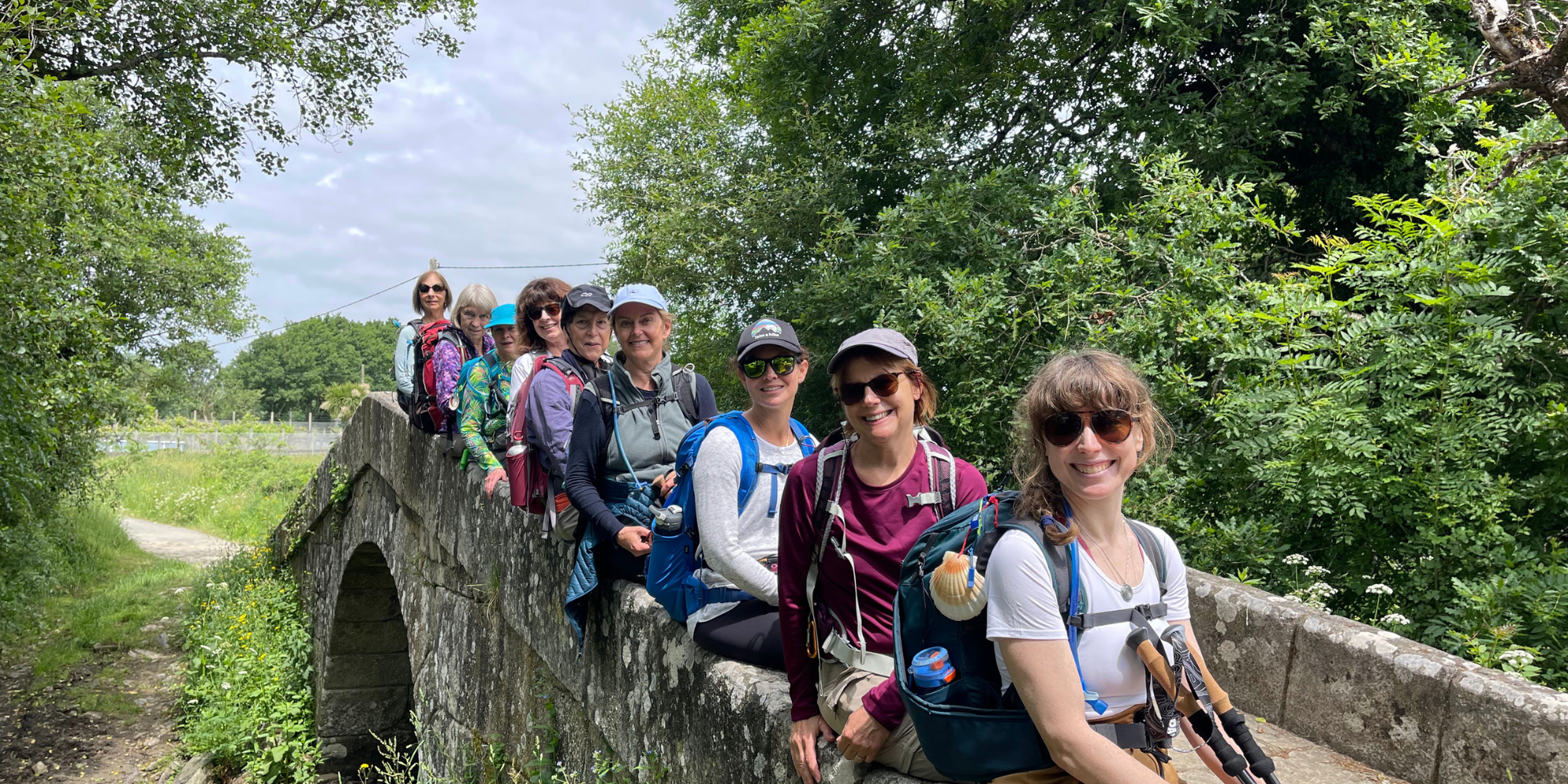
Camino de Santiago is one of Europe’s most popular pilgrimage experiences. During peak seasons, thousands of travelers walk the route, and villages along the trail are well accustomed to welcoming pilgrims. Many walkers enjoy the social energy of meeting people from all over the world, sharing meals in small towns, and hearing the familiar greeting of “Buen Camino” throughout the day.
-
Camino Finisterre, by comparison, is noticeably quieter. While still part of the pilgrimage network, far fewer travelers continue walking after reaching Santiago. The trail passes through smaller villages and rural landscapes where life feels slower and less focused on tourism.
Distance and Length of the Journey
Another major difference between the two routes is the length of the walk.
-
Camino de Santiago is a network of pilgrimage routes that vary greatly in distance. While some walkers travel hundreds of miles across Spain, many modern pilgrims choose to walk the final 100 kilometers (about 62 miles) from Sarria to Santiago. This is the section we travel on our Camino de Santiago journey.
-
Camino Finisterre is shorter. The walk from Santiago to Finisterre is roughly 55 miles (90 kilometers) and typically takes four to six days to complete. Continuing on to Muxía adds another day or two of walking along the Atlantic coast.
Route Distance Typical Time Ending Point Camino de Santiago (Final Stage) ~62 miles ~5–6 days walking Santiago Cathedral Camino Finisterre ~55 miles ~4–6 days walking Atlantic Ocean at Finisterre Finisterre + Muxía ~73 miles total ~6–8 days walking Muxía coastal shrine
Pilgrim Traditions
Pilgrimage traditions play an important role on both routes, though the rituals differ slightly.
-
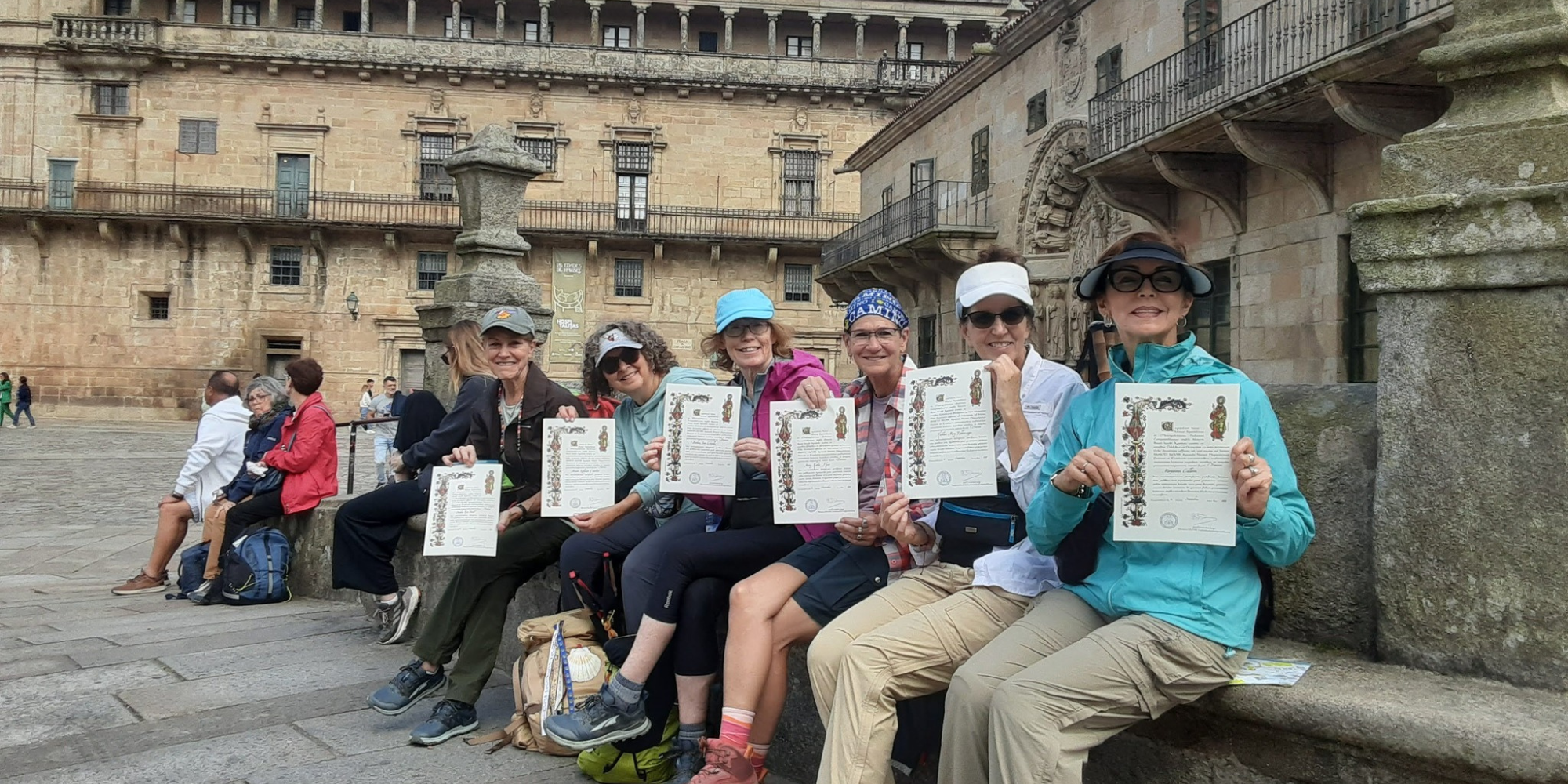
Camino de Santiago, pilgrims carry a passport that is stamped along the way and presented at the cathedral upon arrival. Those who walk at least the final 100 kilometers receive the Compostela, the official certificate recognizing the completion of the pilgrimage.
-
Camino Finisterre has its own traditions as well. Pilgrims can receive the Finisterrana or the Muxiana, certificates recognizing the completion of the journey to the sea.
Historically, some pilgrims marked the end of their journey at Cabo Fisterra by burning an item of clothing or their worn-out walking shoes. While this practice is no longer permitted today, the symbolism of reaching the Atlantic Ocean still carries powerful meaning for many travelers.
Which Camino Is Right for You?
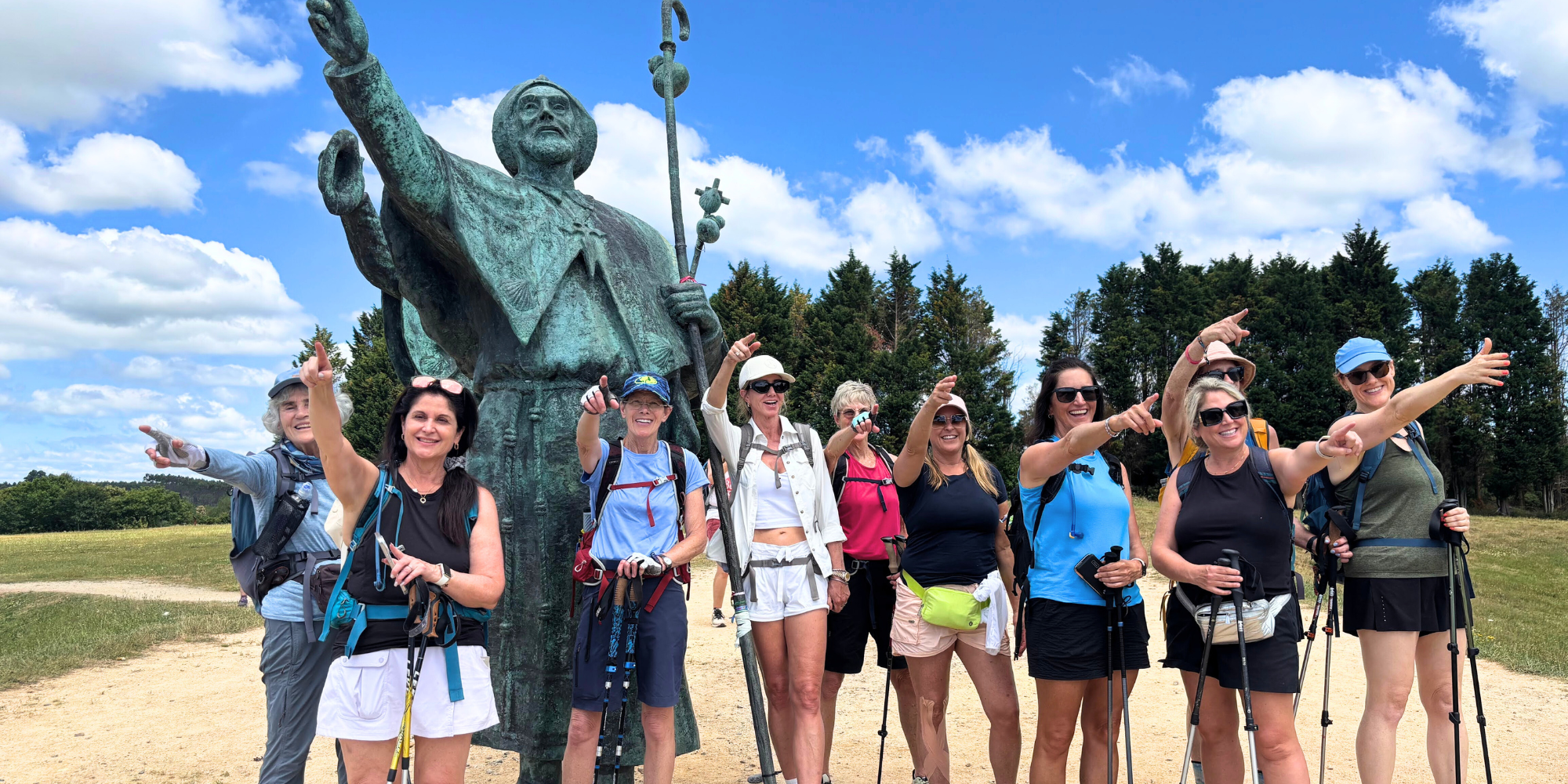
Choosing between these two routes often comes down to the kind of experience you’re looking for. Some travelers choose one, while others decide to walk both—experiencing two different sides of the Camino journey.
-
Camino de Santiago offers a classic pilgrimage journey filled with history, community, and the excitement of arriving at one of Europe’s most important religious destinations.
-
Camino Finisterre offers quieter trails, coastal landscapes, and symbolism of reaching the ocean, creating an experience that many travelers describe as deeply reflective.
Walking to Santiago provides the traditional pilgrimage experience. Continuing on to the sea allows time to reflect on the journey and slowly transition back into everyday life.
Experiencing Both Caminos
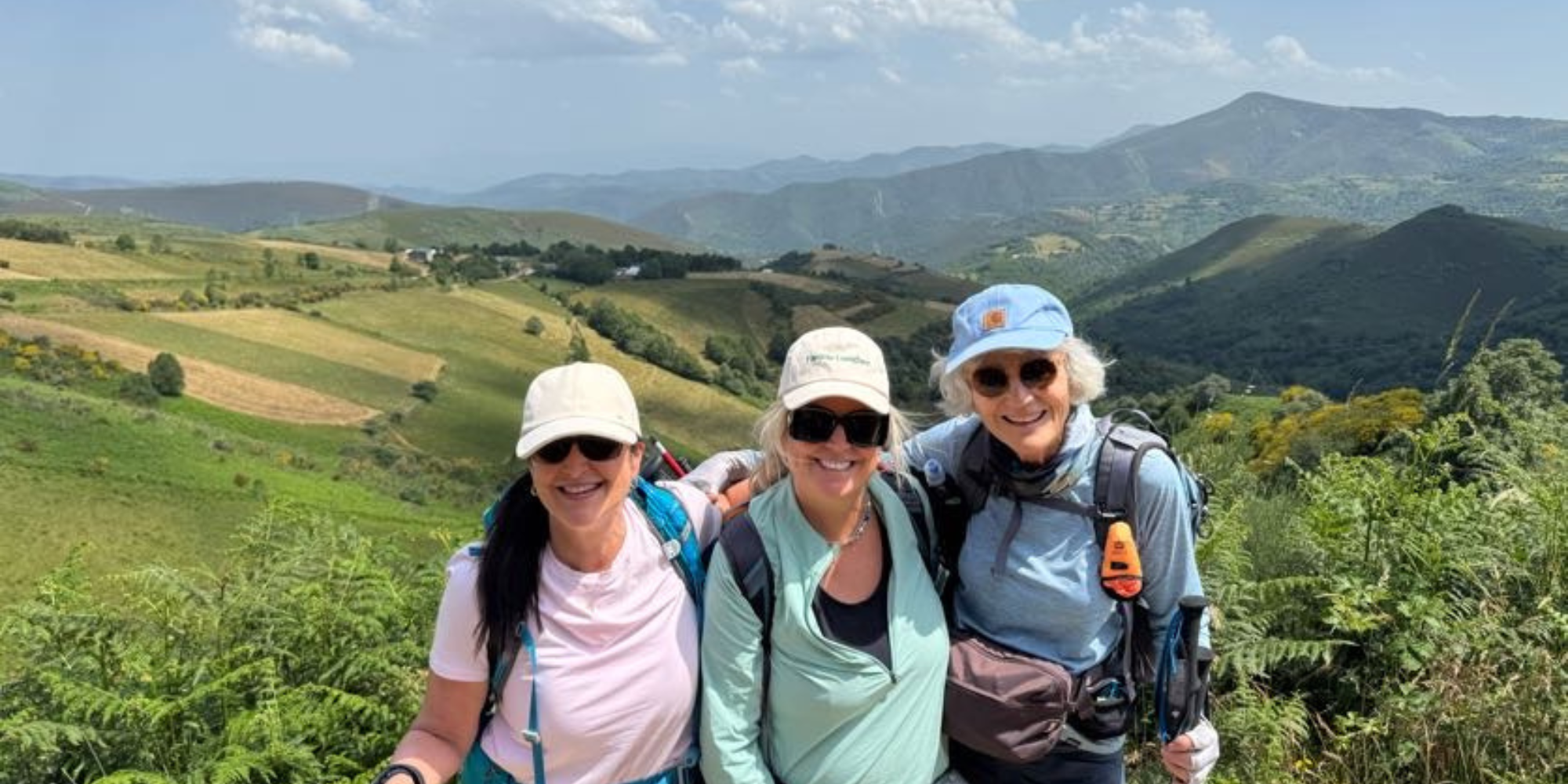
For travelers interested in experiencing both parts of the journey, it’s possible to walk the traditional Camino route to Santiago and then continue west toward the Atlantic.
Our On the Camino de Santiago adventure follows the historic pilgrimage route through Galicia, ending at the cathedral in Santiago. From there, travelers can continue with our Santiago to the Sea: Camino Finisterre adventure, walking through quiet Galician countryside and along dramatic coastal landscapes before reaching the Atlantic in Finisterre and Muxía.
The timing of these two trips is designed to make this possible, with departures scheduled just a few days apart, allowing travelers to seamlessly continue their pilgrimage from Santiago to the sea.
Together, these experiences create a beautifully balanced Camino journey. From the historic roads that lead to Santiago to the windswept Atlantic coastline once believed to mark the edge of the world, it’s a deeply meaningful pilgrimage that deserves a place on any adventurer’s bucket list.