
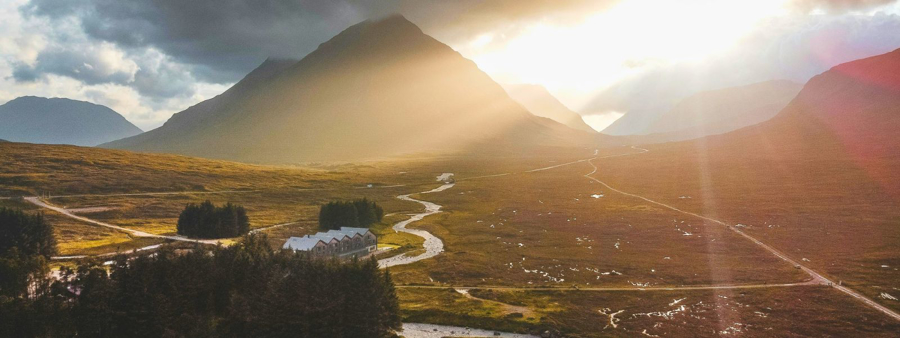
There’s something about Scotland that feels cinematic. Whether you’ve looked at a photo or actually experienced the country’s landscape up close in-person, there’s something about Scotland that makes you wonder, “Now what movie was it that was filmed here” or “this scenery looks very familiar.”
Maybe it’s the way the light shifts across a moody glen. Or how the castles rise high in the distance. Or the fact that, somehow, the landscapes feel both wildly remote and deeply connected to their people and places.
And once you’re there, you realize Scotland’s not just beautiful to look at through a screen, it’s an incredible place to explore on foot, which is exactly why we keep going back.
Glencoe
Featured in:
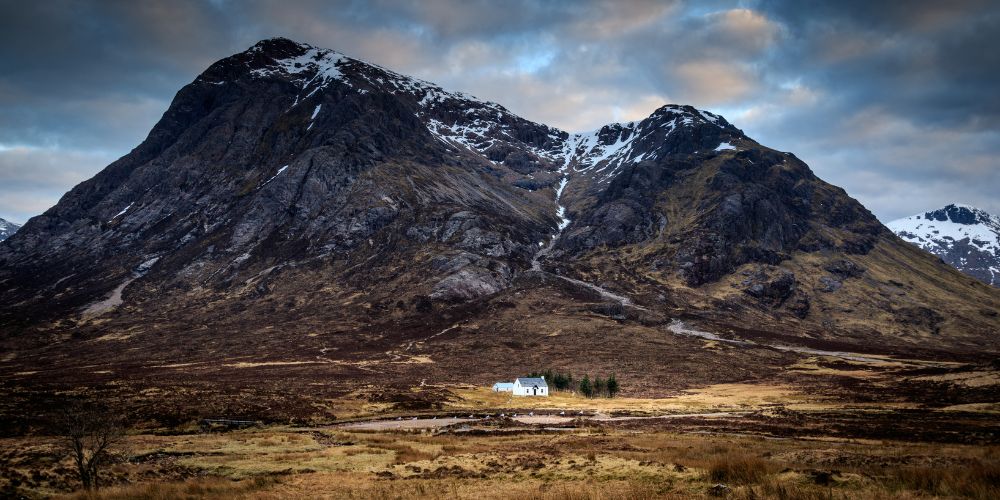
If Scotland had a “main character,” it might just be Glencoe.
This wide, moody green valley is one of the most iconic landscapes in the country. It has steep-sided mountains, shifting weather, and an atmosphere that feels almost theatrical. It’s no surprise filmmakers keep coming back here when they need something deeply emotional, or just plain epic.
In Skyfall, Glencoe appears during the scenes at Bond’s childhood home, Skyfall Lodge. In Harry Potter and the Prisoner of Azkaban, the surrounding Highlands (including areas such as Glencoe) were used for exterior shots of Hogwarts. And in Braveheart, similar Highland settings, including Glencoe, help bring the story’s battle scenes to life.
But here’s the thing: it’s even better in person.
When you’re hiking through Glencoe, in places like the famous Devil’s Staircase, you’re not just looking at the scenery. You’re in it. The scale, the silence, the sudden bursts of sunlight through cloud, it all feels alive in a way no screen can fully capture.
Isle of Skye
Featured in:
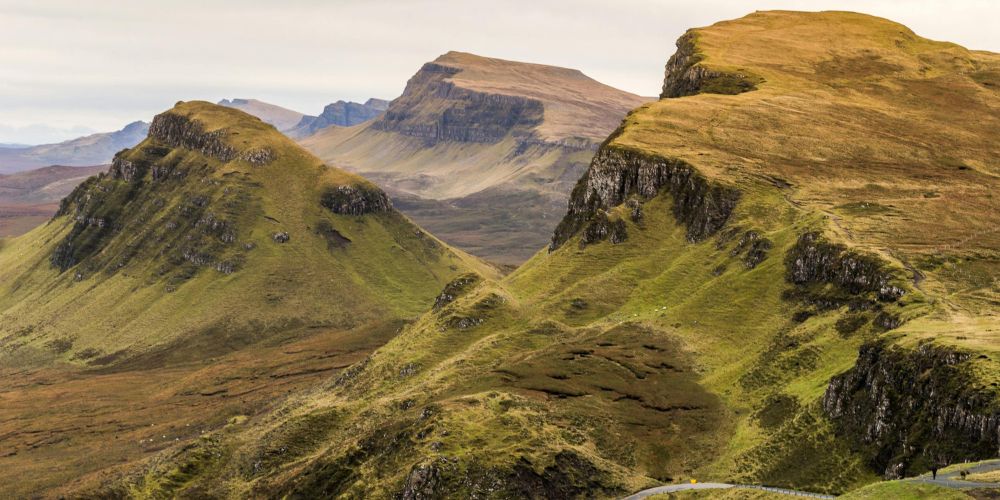
If a director needs a place that looks like another planet, they go to Skye.
The Isle of Skye is rugged, windswept, and wildly beautiful. It’s home to jagged cliffs, otherworldly rock formations, and landscapes that feel untouched by time. It’s the kind of place where you half expect something mythical to appear just over the ridge.
That’s exactly why it shows up in films like Prometheus; it doesn’t need CGI to feel alien.
But beyond the drama, Skye also has a quiet side. Small villages, coastal walks, and moments where the wind drops and everything goes still. It’s that contrast that makes it unforgettable.
Eilean Donan Castle
Featured in:
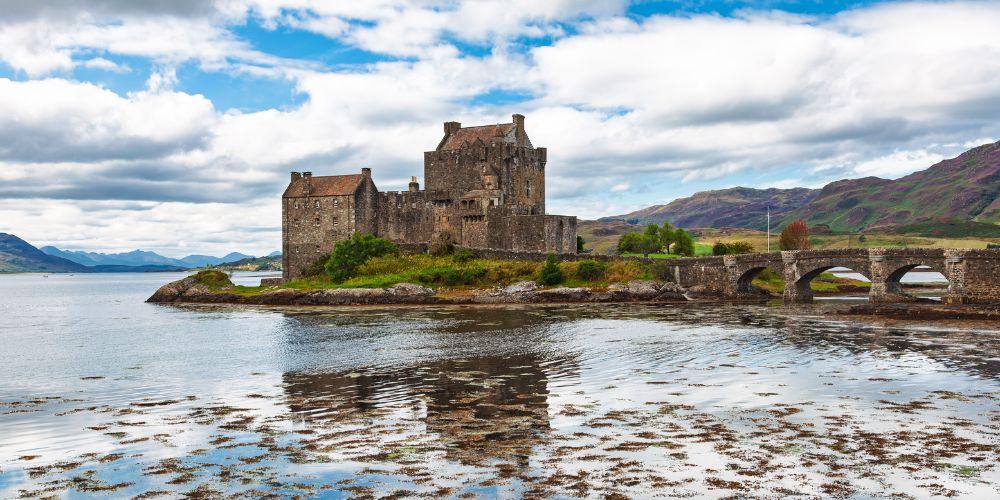
If you’ve ever pictured a Scottish castle in your mind, it probably looked like this.
Eilean Donan Castle sits on a small island where three sea lochs meet, connected to the mainland by a stone bridge. It’s one of the most photographed castles in the world, and one of the most filmed.
In Highlander, it’s used as the MacLeod clan castle, central to the story’s origins. In The World Is Not Enough, it appears in the opening sequence, standing in for MI6’s Scottish headquarters. And in Made of Honor, it shows up during the wedding scenes, leaning into that classic, romantic Scotland setting.
Standing here, you can immediately see why filmmakers choose it as a backdrop; it’s dramatic and easy to access. Beyond that, it’s simply a fascinating place to explore, with a long history and views in every direction.
Loch Shiel / Highlands
Featured in:
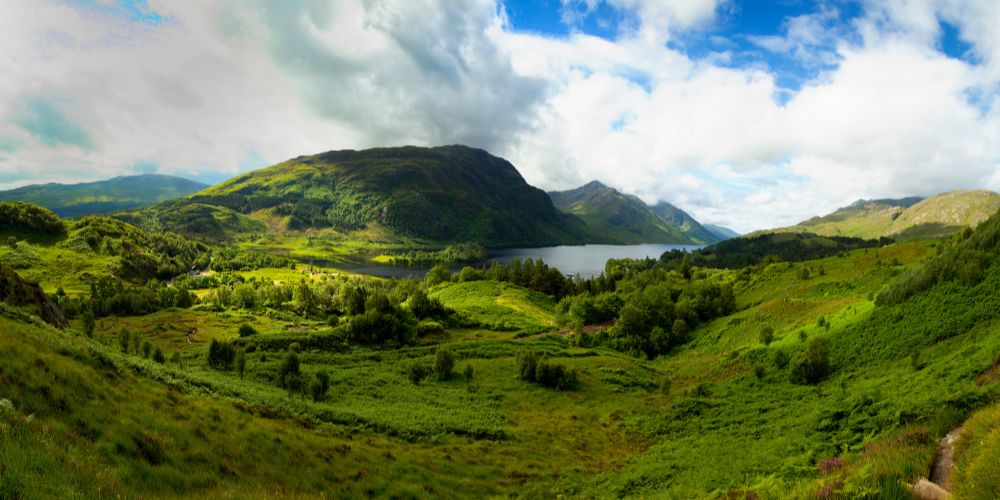
This is the one that makes people do a double-take. Loch Shiel, near Glenfinnan, is essentially the real-life version of Hogwarts’ lake. You’ve seen it in sweeping shots, often with the Hogwarts Express crossing the nearby viaduct.
The still water, surrounding hills, and sense of scale all feel instantly familiar. It’s cinematic, yes, but also a true reflection of the Scottish Highlands.
Edinburgh
Featured in:
-
Harry Potter(inspiration for Diagon Alley)
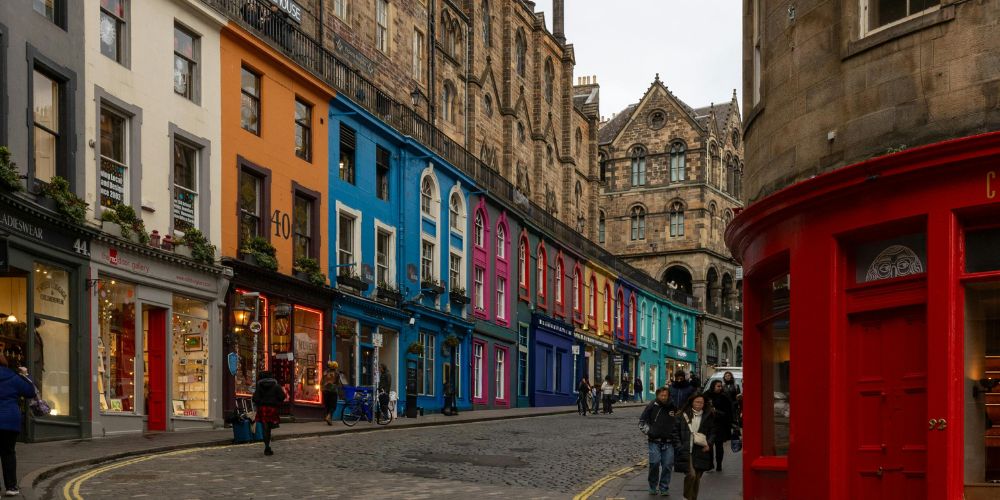
Edinburgh feels like it was built for storytelling. With its winding streets, colorful storefronts, and dramatic skyline that’s layered in history, it’s no surprise it shows up across multiple movie genres, from Marvel blockbusters to historical dramas like Outlander.
And it’s also where the magic of Harry Potter began.
Wander through the Old Town and you’ll start to see Harry Potter themes all around. It’s narrow alleys, crooked buildings, and colorful streets (like Victoria Street) are said to have inspired Diagon Alley.
But beyond the references, Edinburgh stands on its own. It’s vibrant, walkable, and full of moments where past and present blend seamlessly.
Why Scotland Feels So Cinematic
What stands out most about Scotland isn’t just how it looks, it’s how much the landscape changes even just a few hours of moving through it.
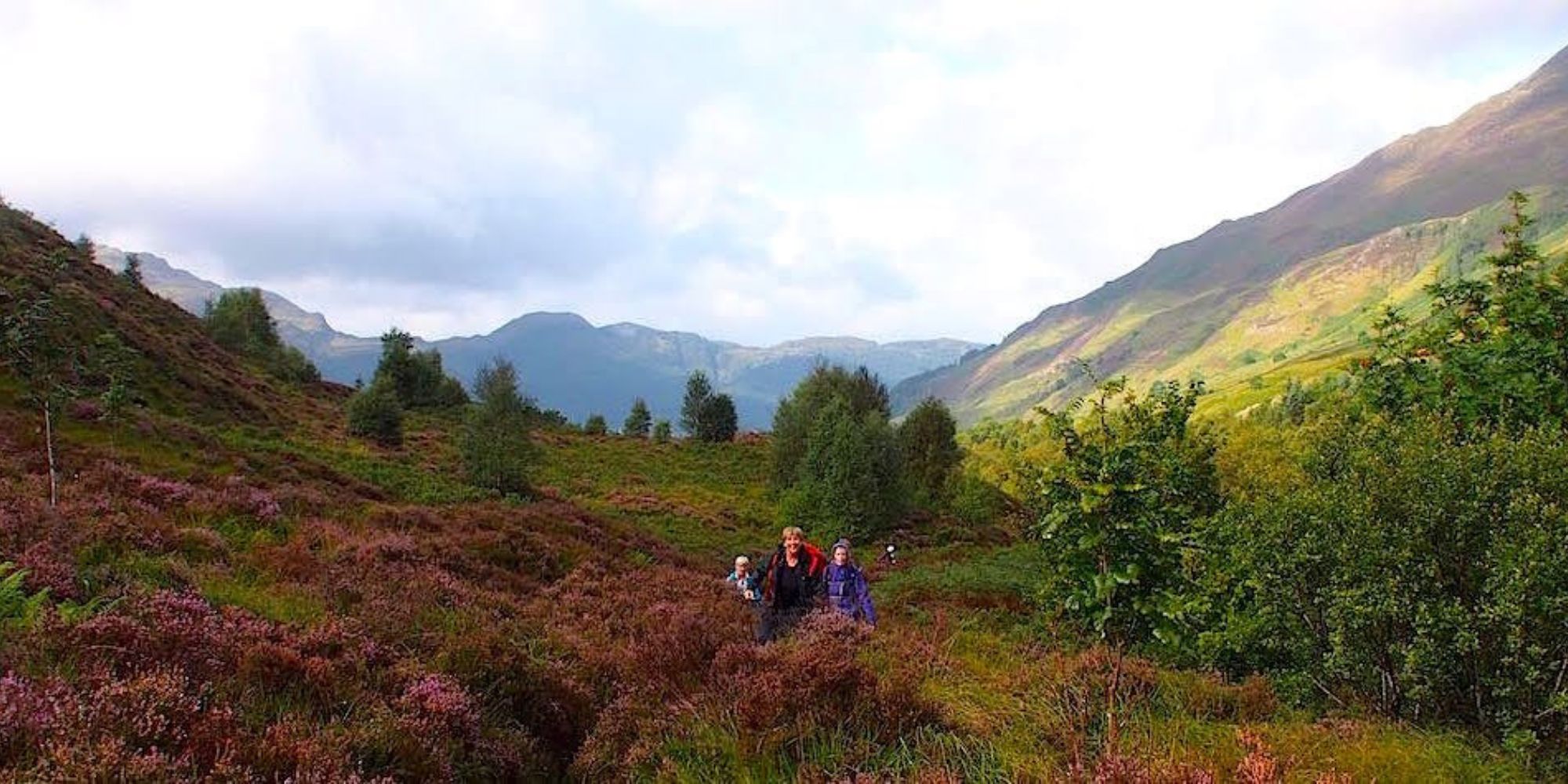
In a single day, you might hike through a wide glen, walk along a loch, and finish with views of rugged mountains. There’s a lot of variety, which keeps each day interesting and makes the experience feel active rather than repetitive.
The scale also plays a big role. The mountains feel large, the valleys are open, and the views stretch far in every direction. Add in the changing weather and light, and the landscape rarely looks the same twice.
All of this is what makes Scotland such a rewarding place to explore on foot. It’s not just about seeing the scenery on a screen; it’s about moving through it and experiencing how it changes along the way.
Walk Into the Story Yourself
If reading this has you thinking, “Okay… I need to go,” you’re not alone.
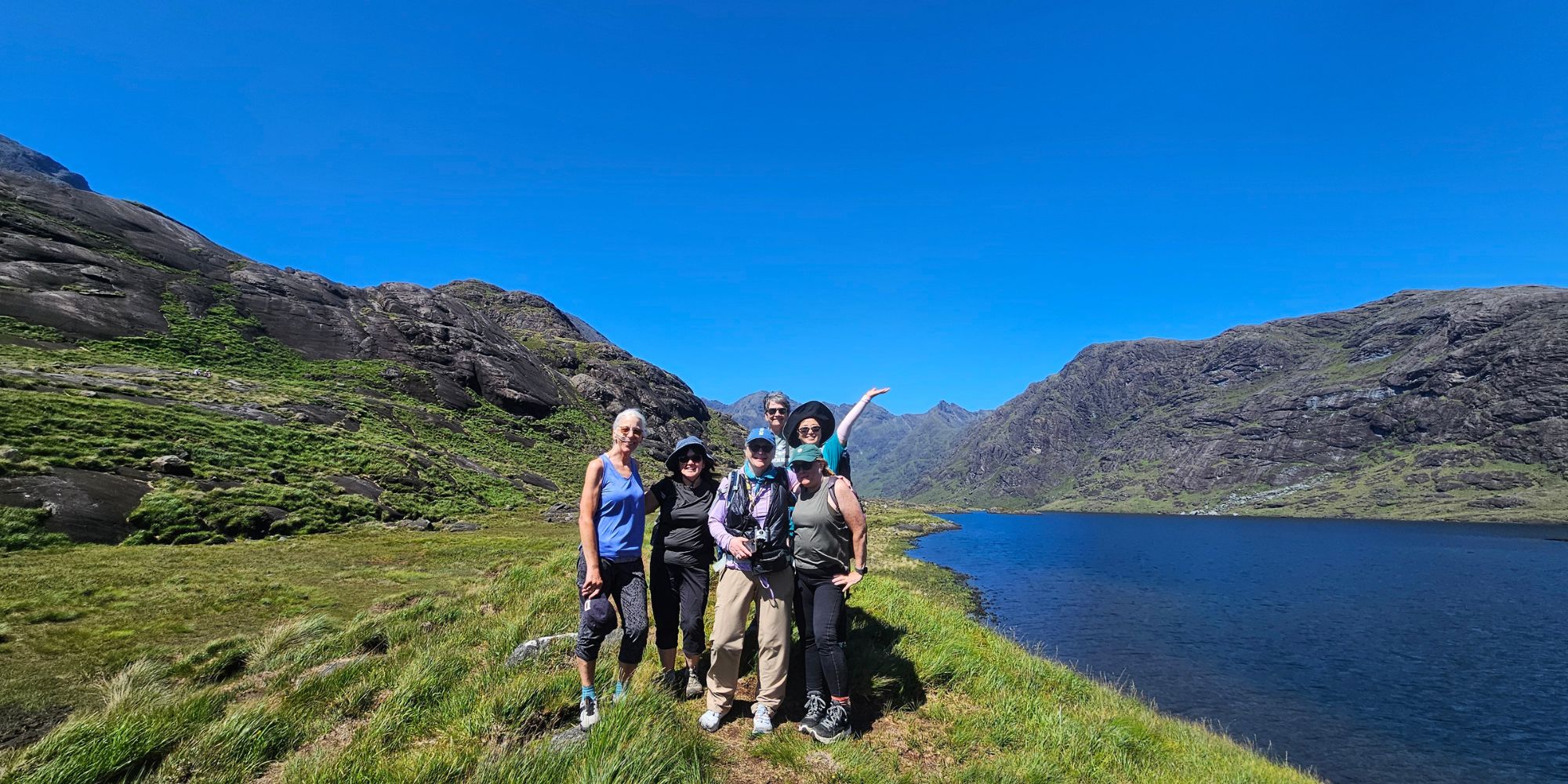
The good news is you don’t have to figure it all out on your own. Our Exploring Scotland: Isles, Landscapes, and Lochs adventure is designed to take you through many of these iconic places, while also introducing you to lesser-known areas that are just as memorable.
Over the course of 10 days, you’ll hike through the dramatic valleys of Glencoe, explore the rugged beauty of the Isle of Skye, and visit landmarks like Eilean Donan Castle. You’ll also spend time in Highland villages and experience the energy of Edinburgh.
You’ll have the chance to sea kayak near Fort William, spotting wildlife along the coast, and take on a classic Munro in the Cairngorms for a true Highland hiking experience. Each day offers a different way to engage with the landscape, so it never feels repetitive.
By the end of the trip, it’s not just the places you’ve seen that will stand out, it’s the feeling of having experienced them fully, in a way that goes beyond what you could ever get from watching them on screen.