
The most memorable travel moments often begin when we stop thinking about where we are going and start listening to the people who know the place as home.
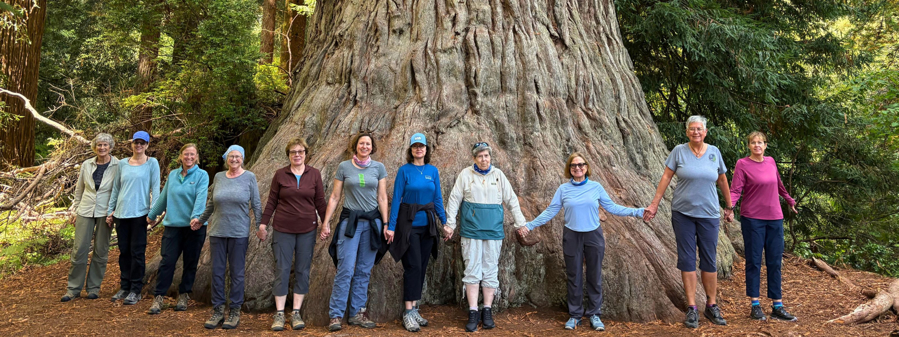
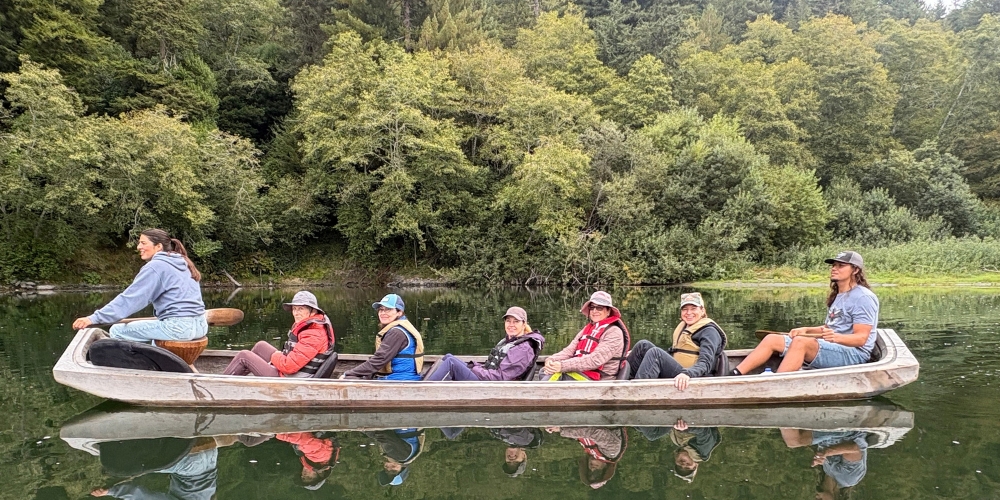
In northern California, the redwoods can make anyone pause. Their height, their stillness, the filtered light beneath their branches: it's easy to understand why travelers come from far away to see them. But a visit to the region can offer more than the view. On our Wonder and Wellness in the Redwoods trip, travelers take a Yurok-guided redwood canoe tour on the Klamath River. Paddling the river offers a unique perspective on the tribe's sacred waterway, while travelers learn about Yurok history, culture, and traditions, and the tribe's enduring relationship with the river and surrounding forests. For many of our travelers, this becomes one of the most memorable parts of the trip.
“The exposure we had to the Redwoods’ tribal land spoke to my soul. Having discussion with Sue, a tribal elder as well as the canoe experience helped with truly experiencing all their lands, their battles, their achievements and helped center me in so many ways.” -Deby K., AGC traveler on Wonder and Wellness in the Redwoods
Taking time to learn about tribal land, as we do in the Redwoods, opens the door to a deeper question: Whose stories shape our understanding of this place?
That is a useful place to begin this Indigenous Peoples' Day. The holiday recognizes the histories, resilience, and diversity of Indigenous peoples. It also invites us to pay attention to Indigenous people and nations today, including how they choose to welcome visitors, tell their stories, and care for the places we travel. For those of us who love exploring, it raises a practical question: What does it mean to be a good guest?
Start by Learning Whose Land You're On
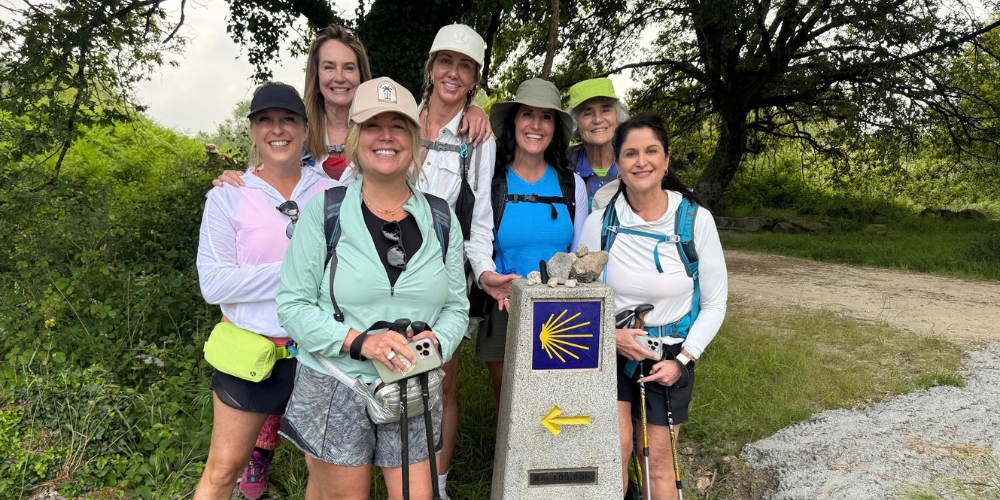
Before a trip, we often research trails, weather, and what to pack. But more than that, we make space to learn whose homelands we will be visiting. That can come in the form of looking up a tribal nation's own website, visitor center, or cultural tourism program. It can mean learning the name a community uses for itself, how to pronounce it, and what guidance it offers to visitors.
Why Land Acknowledgment Matters
A land acknowledgment names the Indigenous peoples who have lived on, cared for, and been connected to a place since long before it had a trailhead, a town, or a park boundary. Done thoughtfully, it recognizes that those histories include displacement and loss, and that the people connected to the land are still here. It shifts the story from "who discovered this place" to "who has always known it."
Acknowledgment is a meaningful place to begin, and it opens the door to more. Once we know whose land we're on, we can listen to what that community shares about itself. That learning reminds us that Indigenous peoples are not a single culture or a chapter of history that ended long ago. Each nation has its own identity, governance, priorities, and relationship with visitors, and those relationships are alive today, and part of what you are fortunate to experience when traveling on their land.
Choose Experiences Led by Indigenous People
Anyone can share facts about a place, but the people who belong to it can share what those facts mean. An Indigenous guide decides which stories to tell, how to tell them, and what should remain private. That choice matters. Indigenous-led tours, museums, cultural centers, and businesses make space for people to represent their own communities on their own terms.
For travelers, this might look like booking a tour offered by a tribal tourism enterprise, buying artwork directly from an Indigenous artist, or visiting a community-run cultural center. Spending choices are part of how we travel. They can help ensure that the people sharing their knowledge and welcoming visitors benefit from the experience.
The Yurok Canoe Tour: A Tangible Example
The Yurok canoe tour we take in the Redwoods offers a tangible example for AGC travelers. It's an opportunity to encounter the Klamath River with guides who share knowledge of its wildlife, geography, history, and significance to their community. The goal is not to come away feeling that we now know everything about Yurok life. It is to appreciate what our hosts have chosen to share and let that understanding deepen our attention.
One AGC traveler, Karen M., included "the Yurok guided canoe ride provided a great opportunity to learn about the history and culture of the Yurok tribe, their relationship with the river, redwoods, flora and fauna," among her favorite moments that made her Redwoods trip special. Her reflection shows how an experience led by the people of a place can stay with a traveler alongside the scenery and adventure.
Honor the Invitation: Know Where the Boundaries Are
Ask First, and Accept the Answer
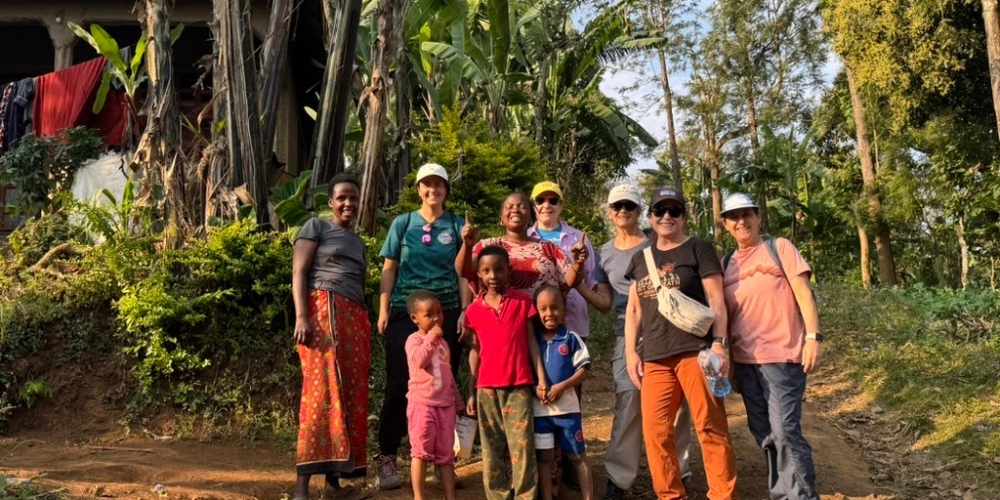
Being welcomed somewhere does not mean every place is open to us or every moment is ours to photograph. Rules around access, ceremonies, photography, and sharing stories vary by community and location. Before taking a picture of a person or cultural activity, ask. Follow posted guidance, stay on permitted routes, and accept that some knowledge is not offered to visitors.
Learn Each Community's Customs
No two Indigenous communities are alike. The Yurok people we meet in the redwoods have their own language, governance, traditions, and ways of welcoming guests. A community we meet on another trip will have its own, shaped by a different land, history, and culture. What feels like a warm welcome in one place may not be appropriate in another, so good guests don't carry one set of rules from trip to trip.
The American Indigenous Tourism Association's Know Before You Go guide is a helpful starting point, and it was created with input from Indigenous community members. From there, the best preparation is specific to the place: read what the community publishes for visitors, follow the guidance of local hosts, and ask when you're unsure. Curiosity is valuable when it comes with patience and respect.
Share Stories with Care After the Trip
The same care applies after the trip. When we tell friends what we learned, we can name the guide or community that shared it, link to their own resources, and avoid retelling something we were asked to keep private. A beautiful photo may capture where we stood; it does not give us ownership of someone else's story.
Carry the Question into Every Adventure
Thoughtful travel is built from small decisions. We can research before we leave, choose who we learn from, spend locally, listen more than we speak, and follow the guidance of the people who host us. We will not get everything right every time. However, it’s important we approach each place ready to learn and willing to change our habits.
Indigenous Peoples' Day is an occasion to begin or renew that practice, but it need not end with one day in October. Indigenous communities are shaping the present and future of the places we visit throughout the year. The next time a trail, river, or forest draws us in, we can ask a question before we go: Whose home is this, and how can I be a good guest here?