
Why Wildflowers Make Hiking More Meaningful
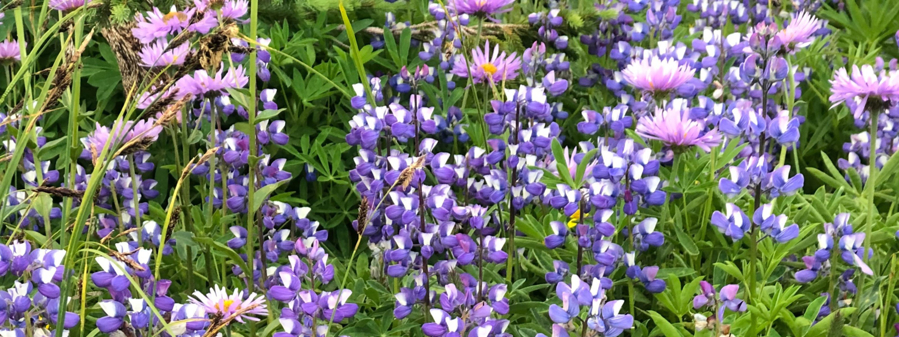
One of the most memorable trips I’ve ever taken was to Wells Gray Provincial Park in British Columbia. The mountains and alpine lakes were majestic. The hiking was challenging and remote. However, the real star of the show was the wildflowers!
There was a riot of color, shape, and form. And while being in nature is always therapeutic for me, encountering wildflowers fills me with something extra: surprise, joy, and wonder.
If you’ve ever walked past a bloom without knowing its name or wondered what’s blooming when, you’re not alone. Learning to notice wildflowers doesn’t require expertise. It just takes curiosity, a willingness to pause, and a bit of attention to what’s right in front of you.
How I Learned to Notice Wildflowers
I grew up in Utah, hiking often in the mountains around Salt Lake City and in the deserts of Southern Utah. However, I didn’t truly begin to notice wildflowers regularly until my mid-40s, when I started hiking the Sheltowee Trace in the Daniel Boone National Forest and Big South Fork of Kentucky and Tennessee.
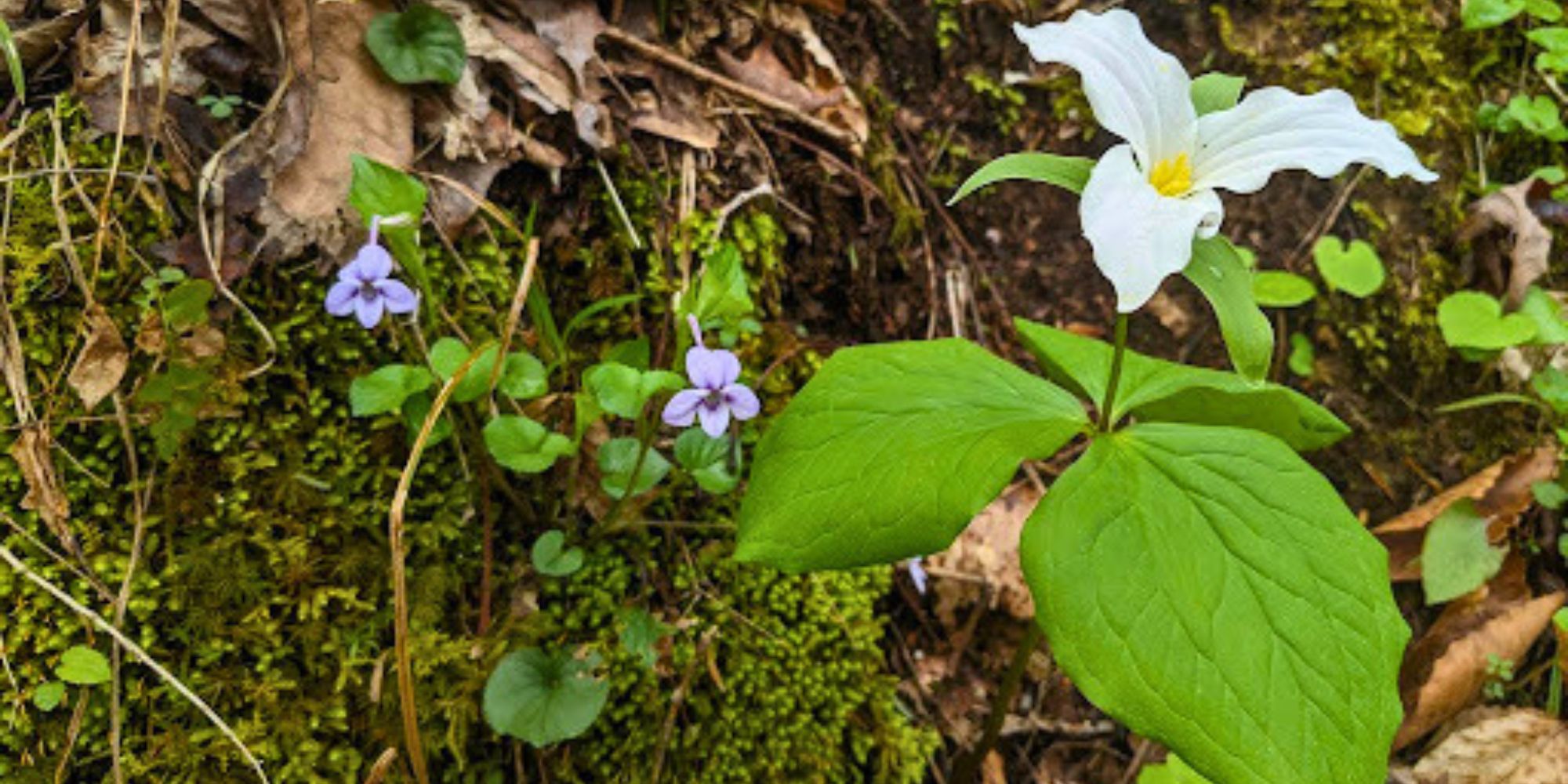
Because I hiked this trail year-round, I started to recognize the different wildflowers of each season. I came to love the bold, showy trillium and the rare lady slipper orchid.
Seeing Wildflowers on the Appalachian Trail
Then in 2018, something shifted. I started hiking the Appalachian Trail, which had been a dream of mine for more than 30 years. I did it as a series of section hikes, with breaks to guide trips or to keep homesickness at bay.
Because I started in the winter, I became used to hiking 10+ miles a day with very little color around me, just moss and muted forest tones.
I remember exactly where I was in Virginia in March when I saw my first bloodroot blossom.
Early Spring Wildflowers: The First Signs of Life
Bloodroot is a small, unassuming wildflower that pops its blossom up before its leaves, taking advantage of the light on the forest floor before the tree canopy fills in. As the season progresses, the leaf unfurls into a deeply lobed green shape that wraps around the stem.
I fell in love with this plant that year and it remains my favorite. I call it the “queen of the forest” because it gets more majestic to me as the season goes on.
After that first sighting, everything changed.
I began noticing:
-
Spring beauties (small pink and white flowers)
-
Hepatica with its purple blooms
-
Yellow trout lilies near streambanks
-
Violets in a variety of colors and shapes
More Blooms Discover on the Appalachian Trail
Every day on the AT during spring felt like a new discovery. I would often encounter flowers that were totally new to me. I got in the habit of looking for them, taking pictures of ones I didn’t know, and practicing the names of the ones I had recently learned. I used the app “Picture This” to identify the blooms I found on the trail.
Slowly, I began to notice more and more flowers and to see patterns in their forms and leaves.
As the season progressed, the diversity of wildflowers expanded quickly.
-
Dutchman’s breeches
-
Columbine
-
Trillium
-
Mayapple
-
Fiddlehead ferns
-
Jack-in-the-pulpit
-
Phlox
-
Foamflower
Trees and shrubs added to the display as well:
-
Redbud
-
Azaleas
-
Mountain laurel
When Wildflowers Become Trail Companions
I was mostly hiking solo on the AT, and while you meet people along the way, wildflowers became some of my most consistent companions. Each bloom was either a friend I knew or a discovery to learn, which marked the long miles and kept me moving forward.
Earl Shaffer, who completed one of the first Appalachian Trail thru-hikes, wrote a book called "Walking With Spring". I completely understood this perspective; it was as if spring and I were hiking companions and she was telling me new things about herself every day.
Unforgettable Moments on the Appalachian Trail
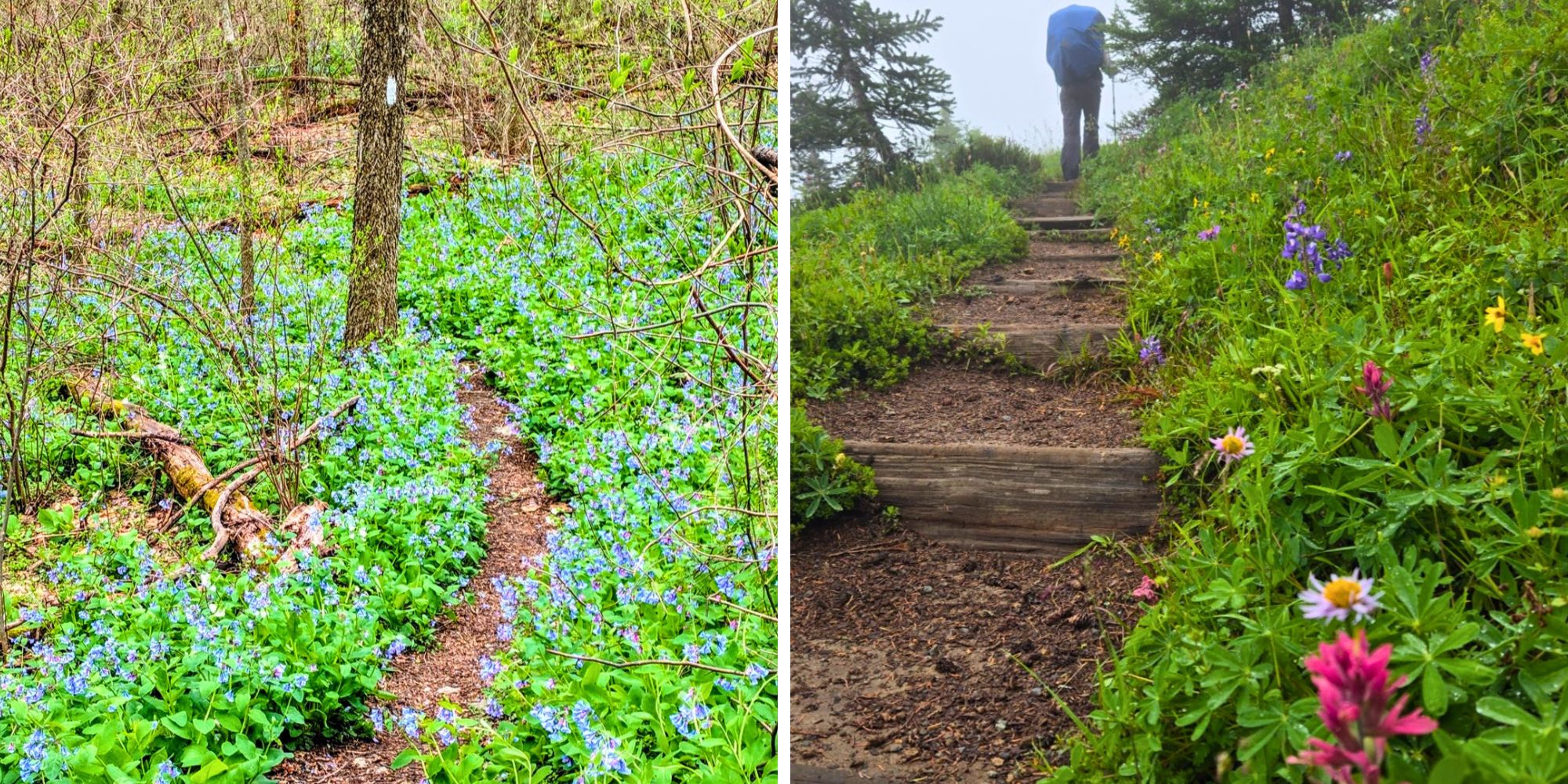
One day, near the northern end of Virginia, I came over a rise into a small glen and stopped in my tracks. The trail was lined with a thick carpet of Virginia bluebells. I had only seen them in small clusters before, and suddenly they stretched out in front of me in a sea of color.
I sat down and stayed there for a while, just taking it in.
The feeling of encountering such stunning beauty stays with you. This experience pops into my head from time to time like a treasure in my pocket.
Summer & Northern AT Trail Wildflowers
As I moved further north through Vermont, New Hampshire, and Maine, I began encountering regional differences in what was blooming.
I saw:
-
Lupine
-
Bluebead lilies
-
Bunchberry (a ground form of dogwood)
-
Asters of all shapes and sizes
-
Water plants near bogs and ponds
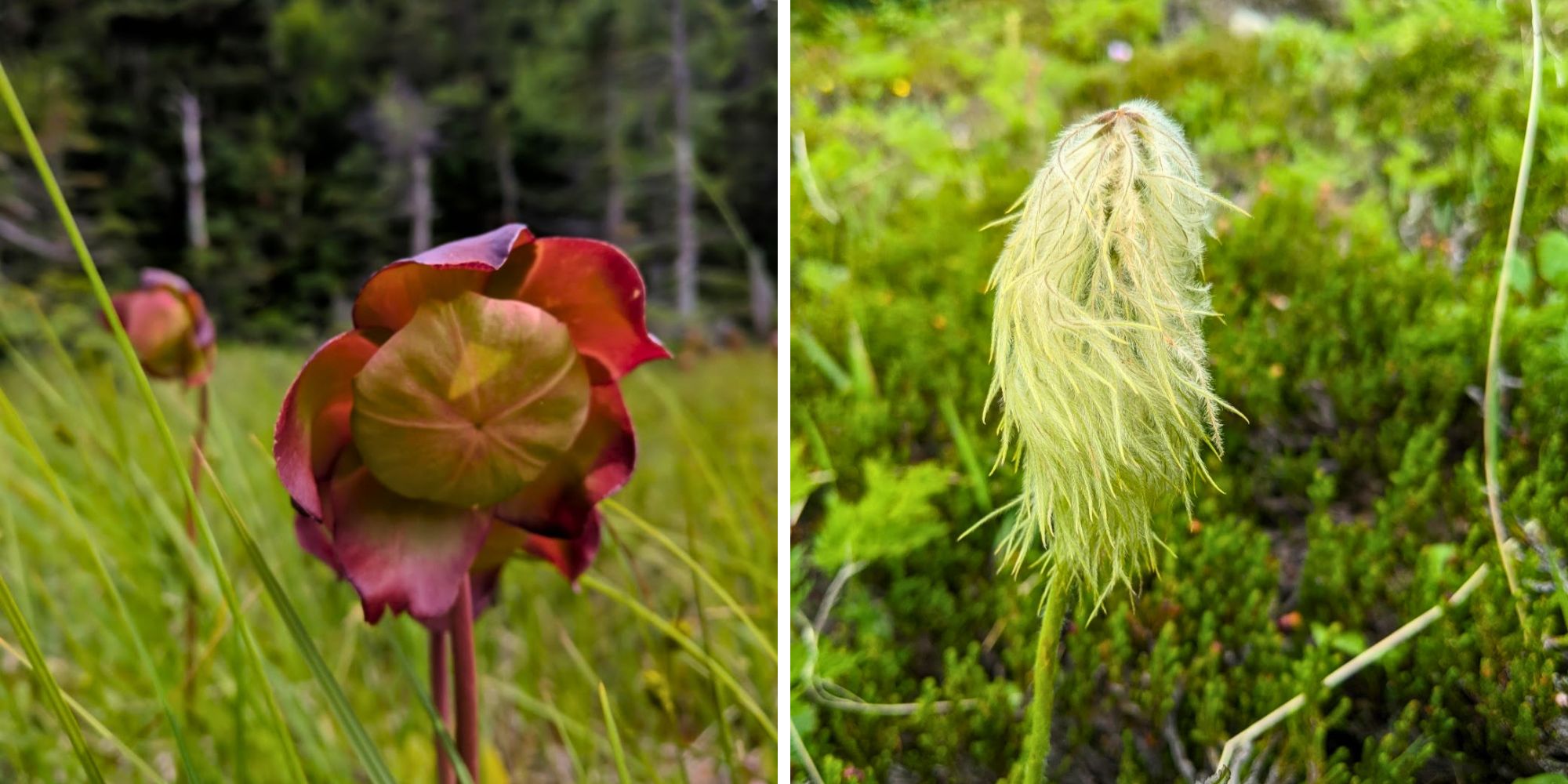
One day, the trail curved around a bog, and I noticed something unusual: a field of rust-colored pinwheels in the distance. I couldn’t get much closer in the swampy ground. A few days later, I saw them up close and realized they were pitcher plant flowers.
After the Appalachian Trail: A Lasting Habit of Noticing
I finished the Appalachian Trail in 2021, but my curiosity about and love for wildflowers has continued.
That hiking experience instilled in me the habit of really looking for them everywhere I go, and taking the time to notice the small details that offer clues about their identity or at least the family they belong to.
If I don’t recognize a flower, I’ll take a picture and look it up later. Over time, I’ve built a growing list of “friends” I encounter on the trail, and it brings me real joy to recognize them and greet them by name when I can.
Identifying Wildflowers Across Different Landscapes
As I continued hiking in different regions, I began to appreciate how much wildflowers change depending on the landscape.
Alpine Environments
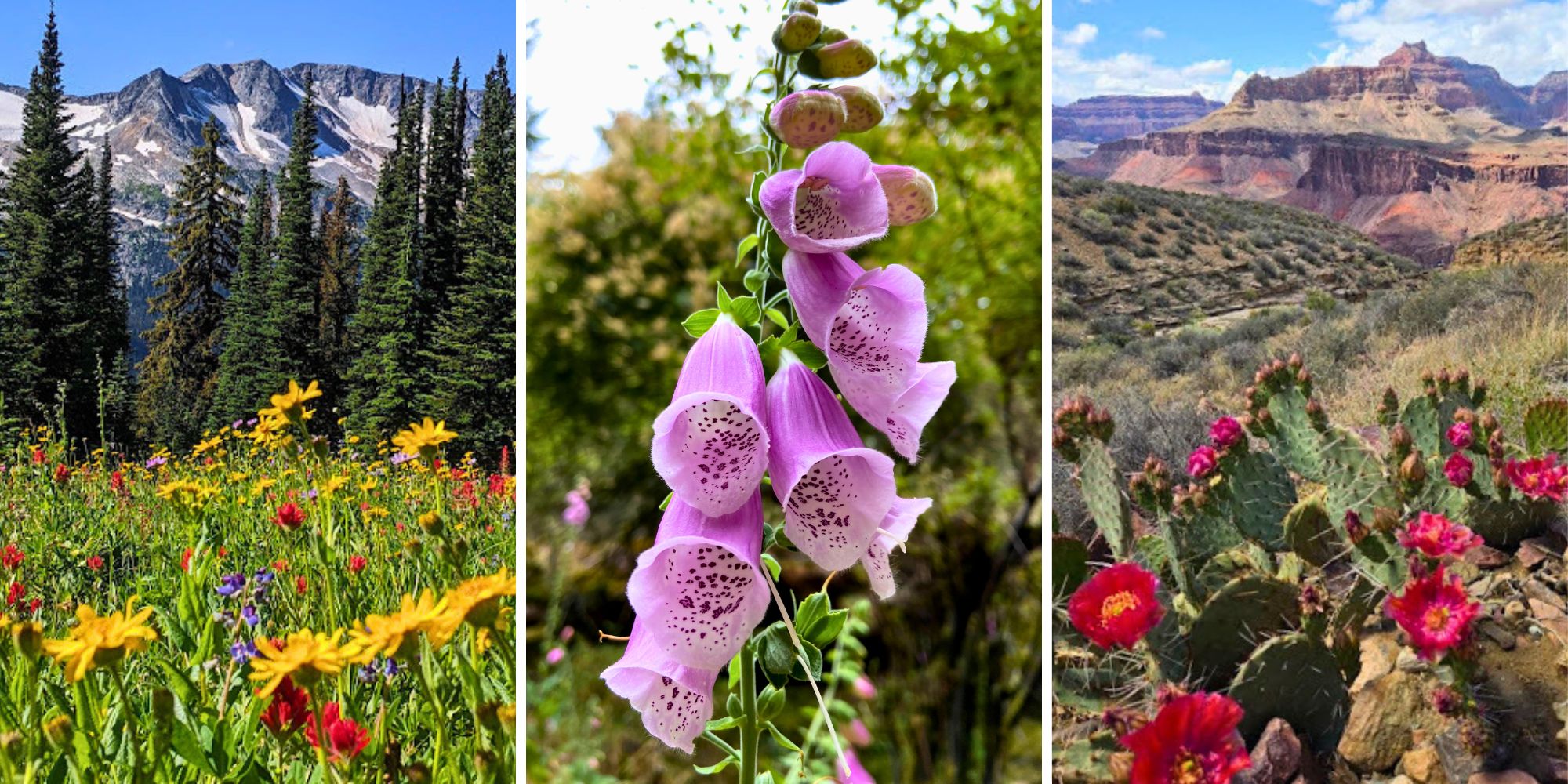
Alpine regions have different flowers than what I was use to seeing in my local southern forests and along the AT. In alpine areas, flowers are often smaller and hardier, adapted to harsher conditions.
While hiking the Tour du Mont Blanc, I saw:
-
Gentian
-
Edelweiss
-
Bellflowers
-
Mouse Ear
-
Lillies
-
Campanula
-
Pasqueflowers
Mountain West & Pacific Northwest
On the Wonderland Trail in Washington, I encountered:
-
Columbia lilies (very rare)
-
Yarrow
-
Lousewort
-
Beargrass
-
Anemones with seed pods that looked like something out of a Dr. Seuss illustration
Desert Landscapes
Desert wildflowers can be brief but incredibly vibrant and beautiful.
-
Cactus Blooms that are very bright and colorful
-
Agave (“century plant”) flowers
-
Sage
-
Sego lilies
-
Sacred datura (whose sap has a hallucinogen)
-
Bellflowers
Prairie Landscapes
Prairies offer their own variety of blooms, including:
-
Asters
-
Sunflowers
-
Catchfly
-
Apache plume
Simple Tips for Spotting and Identifying Wildflowers
Often, what you see in different places are variations of the same plant families—wild cousins of flowers you may already know from your garden or other hikes.
If you’re intrigued by wildflowers, here are a few ways to start noticing and identifying them.
Be on the Lookout
In spring, I often find the most flowers in moist woodlands with rich soil, especially slightly above streambeds where flooding deposits nutrients without washing plants away.
In alpine or desert environments, blooms can be short-lived, so timing matters. I recommend joining social media pages with wildflower enthusiasts who may share tips on when to drop everything and head to a trail for the best conditions.
Use Helpful Tools
Try using the apps I like:
These apps can also help identify flowers even after your hike.
Practice and Build Familiarity
Try naming flowers you recognize as you hike.
If you’re not sure, take pictures and use your app to check your memory. When you do this, you’ll notice variations in colors and shapes and will start to recognize similarities.
Learn With Others
Joining wildflower groups or attending guided walks can accelerate your learning. Other people’s pictures will help you practice and understand what is happening in your region.
Many parks offer:
-
Wildflower festivals
-
Ranger-led hikes
-
Educational programs
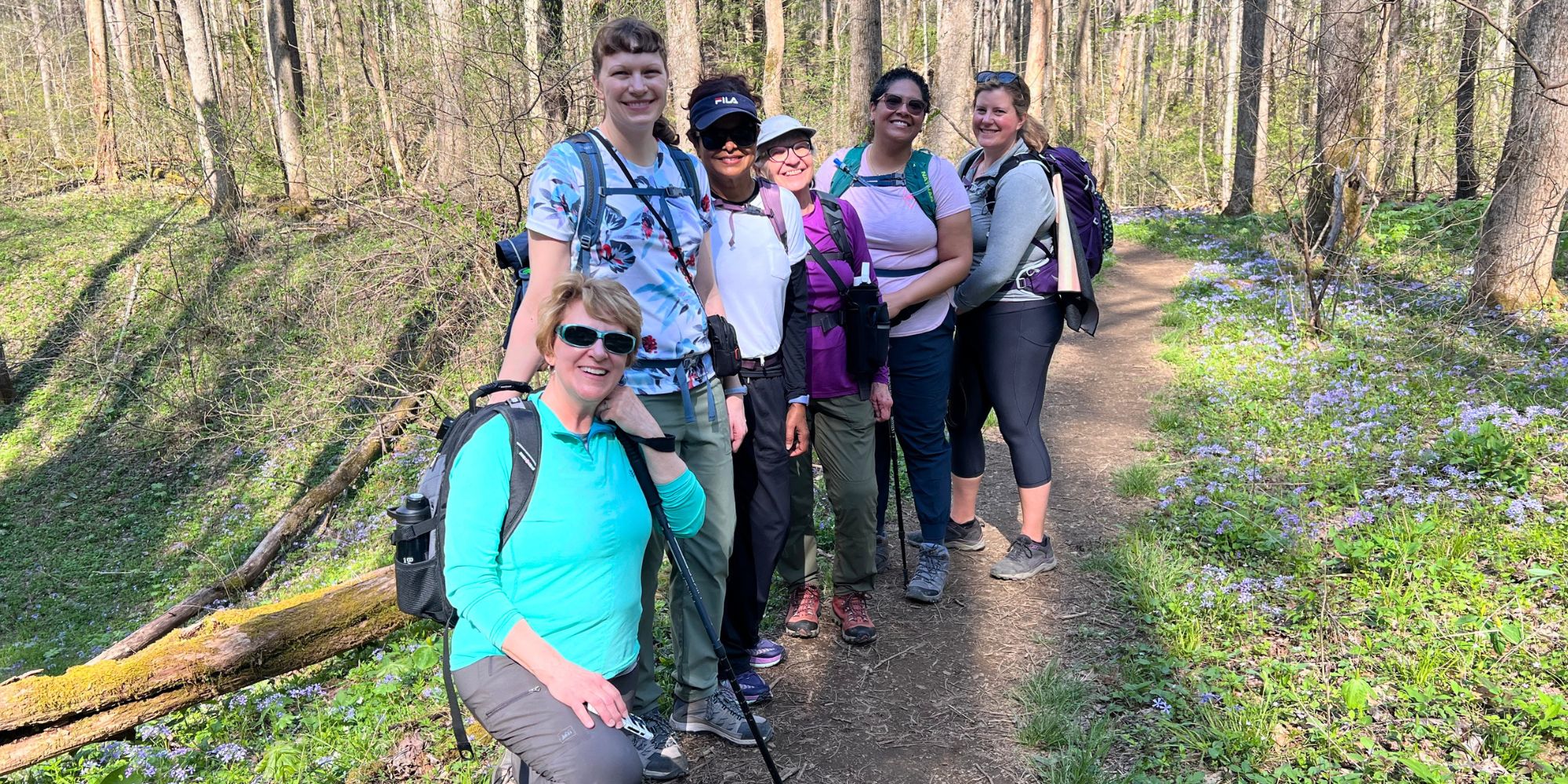
Trips like AGC’s Big South Fork, Wildflowers & Waterfalls: Exploring the Great Smokies, and Waterfalls, Wildflowers, and Wineries in North Georgia even include time dedicated to wildflower discovery.
The Joy of Wildflowers on the Trail
Most of all, enjoy the incredible beauty that wildflowers bring. Soak in the joy! This will motivate you to make new “flower friends” everywhere you go.
I am always learning, and sometimes forget flowers I once knew but haven’t seen in a while.
The joy of discovering and remembering these beauties is part of why hiking and exploring are some of my favorite activities. Next time you’re out hiking, take a moment to slow down and see what’s blooming around you.