
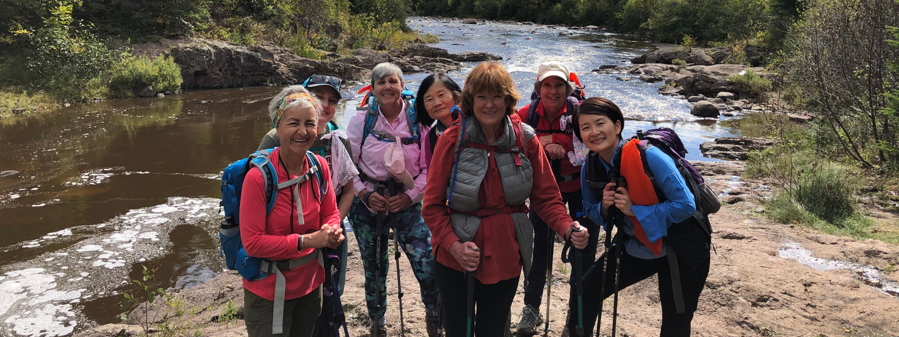
Fall might be the trickiest season to dress for. You start the trail in 40-degree air, watching your breath fog, and by mid-afternoon you're down to a t-shirt in full sun. Add in shorter days and the first cold fronts moving through, and your hiking wardrobe has to work harder than it does any other time of year.
The fix isn't one warm jacket. It's a system of layers you can add and shed as the day shifts around you.
Your goal is to stay warm without sweating through your clothes. A few lighter layers give you more control than one heavy layer ever will, and you'll be swapping them in and out more than you'd think on a fall hike. Bring a daypack so you have somewhere to stash what you take off.
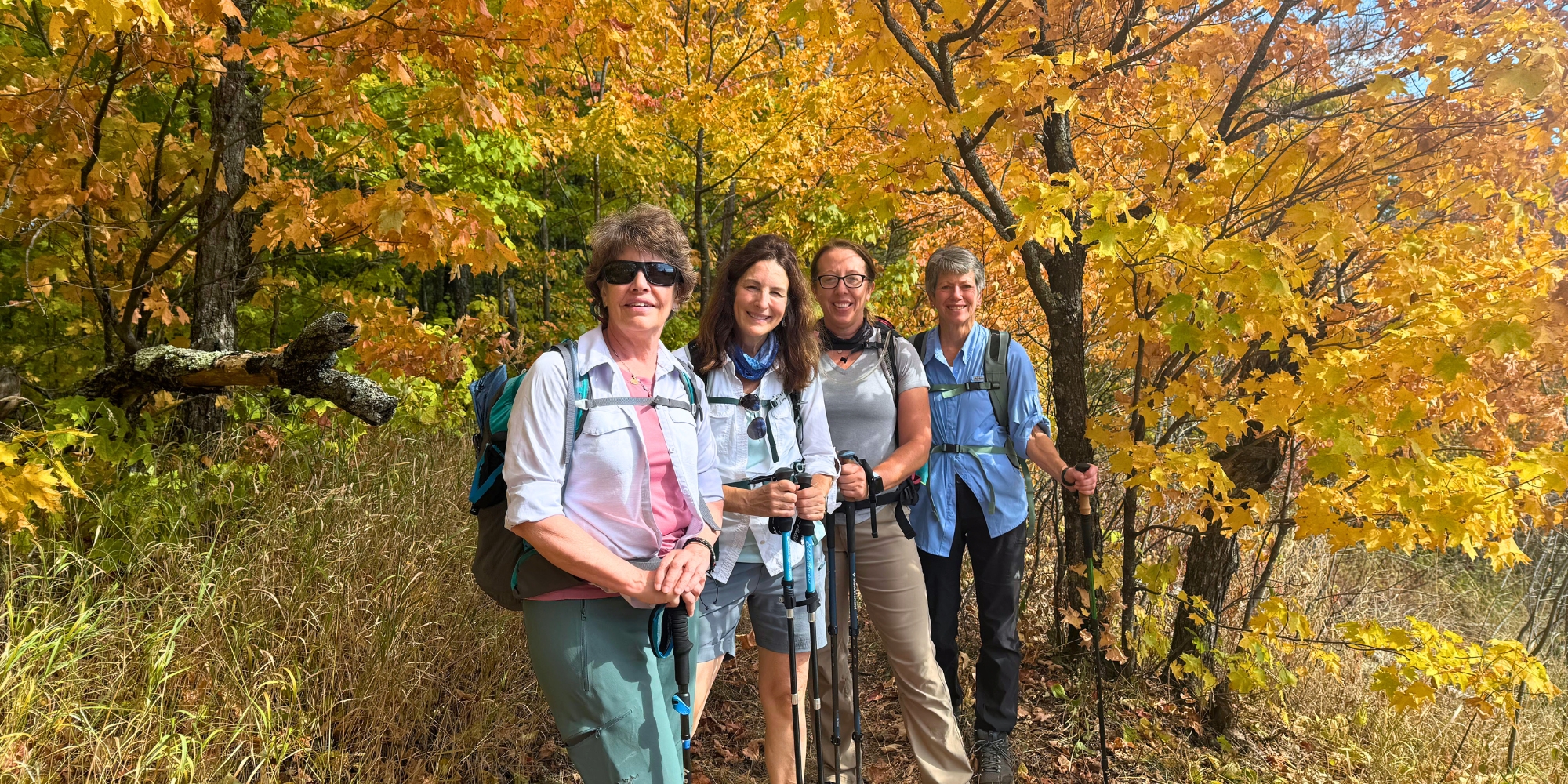
Here's the layering system to build around this season:
1. Base layer
Start with a base layer of silk or "lightweight" synthetic long sleeve, underwearand/or liner socks. This is the layer doing the real work on a fall trail: it wicks sweat off your skin so a cool morning breeze doesn't turn that sweat into a chill. On most fall days, this base layer plus a midweight layer will get you through the entire hike.
2. Midweight Layer
Over the base layer, wear a second, medium-weight layer on your upper body, such as "expedition-weight" Capilene or Polartec, and wool pants or a synthetic equivalent, such as Polartec or Capilene fleece. Look for a zip neck top so you can vent heat on the climbs and zip back up on the ridgeline without stopping to change clothes.
3. Insulating layer (pack it, don't wear it)
Toss a warmer piece into your daypack, something like a wool or fleece. Typically, this layer will not be necessary, even in cold weather, as long as you’re active. As soon as you stop for a break, put this on. If you're overheated, you might think you want to cool down. You don't, at least not abruptly. By the time you think you’re just right, your body temperature is on a downward trajectory that will overshoot. If it’s raining or windy, you will also want to add the outer layer described below.
4. Outer layer
Fall weather turns on a dime, so don't leave the trailhead without a shell. Even on a clear day, wind pulls heat off your body through convection, and a fall rain shower can drop the temperature ten degrees in minutes. A packable rain jacket or waterproof shell, like Gore-tex, HellyTech, Membrane, H2No, or Ultrex earns its spot in your pack even when the sky looks clear at 8am.
Make sure it fits over all your other layers without pinning your arms down, and check that the hood turns with your head instead of blocking your side vision. Put your daypack on and raise your arms before you buy it. If the pack straps trap the jacket, size up.
Wind pants are worth packing too, especially for exposed ridgelines or early starts. Full-length leg zippers let you throw them on over your boots without breaking stride, and pull them off just as fast once the afternoon sun takes over.
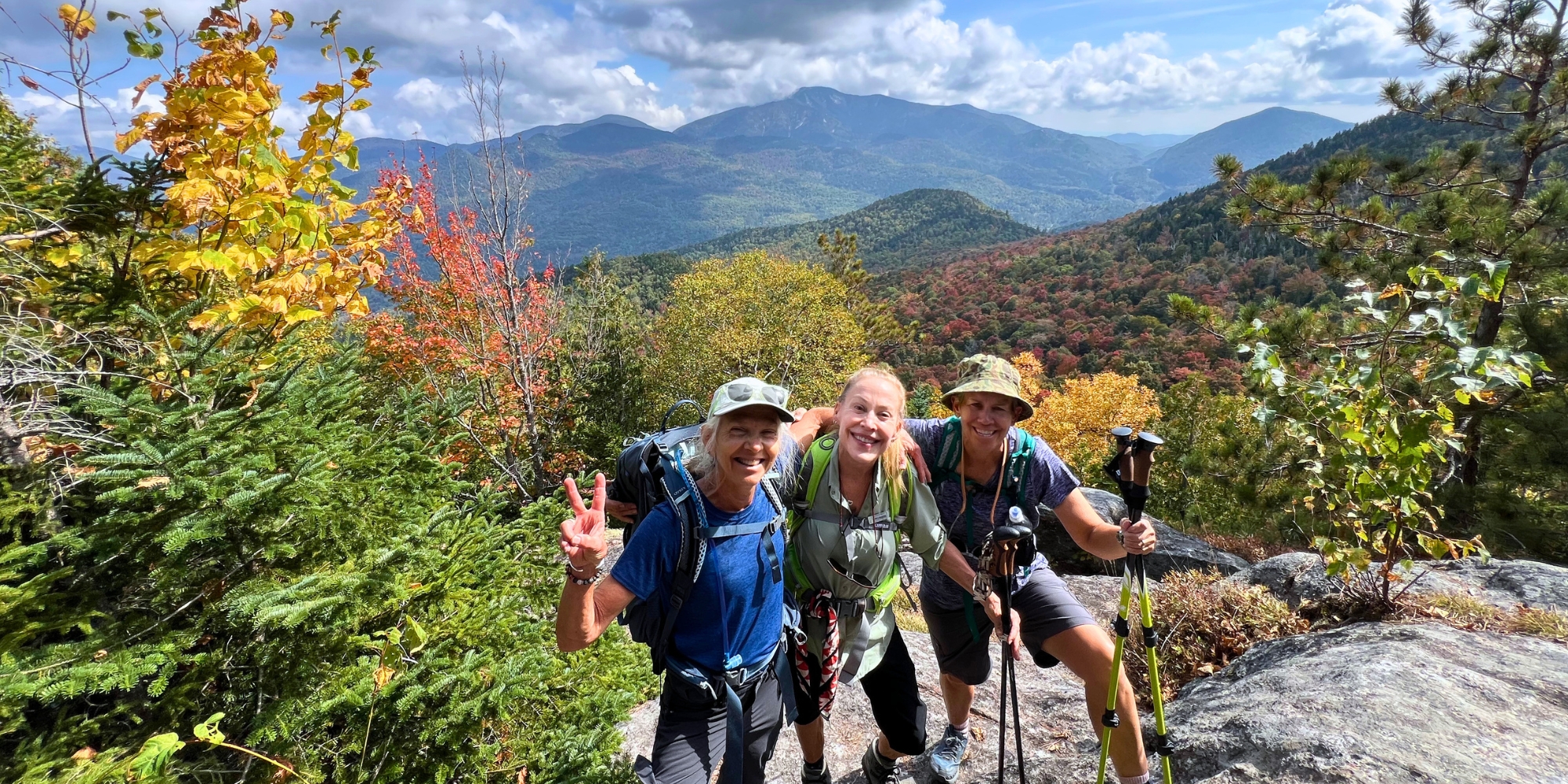
The Fall Layering System that Actually Works
Fall hiking is really an exercise in staying one step ahead of the weather. Start cool, not warm. If you're comfortable standing at the trailhead, you'll be overheating within the first mile. A common fall setup: base layer, midweight top, and a shell over both for the first hour while the air is still cold. As you climb and the sun gets higher, the shell comes off, then the midweight comes off. By afternoon you might be down to just your base layer, with that insulating piece and shell back in your pack, ready the second you stop moving or the trail dips back into shade.