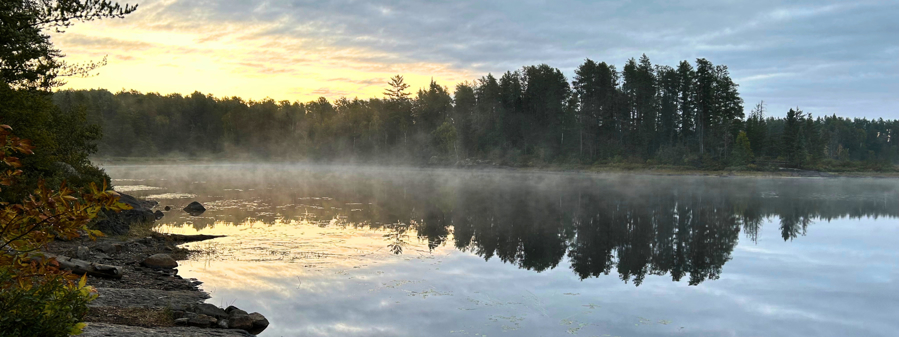
The water gently laps against the rocks in various tones, like an ancient organ. Bird calls intertwine in a mixed symphony. The peek of a turtle's head. The trail a beaver leaves behind. The call of loons. The wind blowing.
And, surrounding this whole chorus of nature's sounds: utter quiet.
This is the Boundary Waters Canoe Area Wilderness in northern Minnesota. Hopefully, you can one day hear that peaceful lull too.
I've been fortunate enough to travel to many places in the world, and the Boundary Waters remains one of my favorites.
Rocks, Trees, and Water: The Landscape of the Boundary Waters
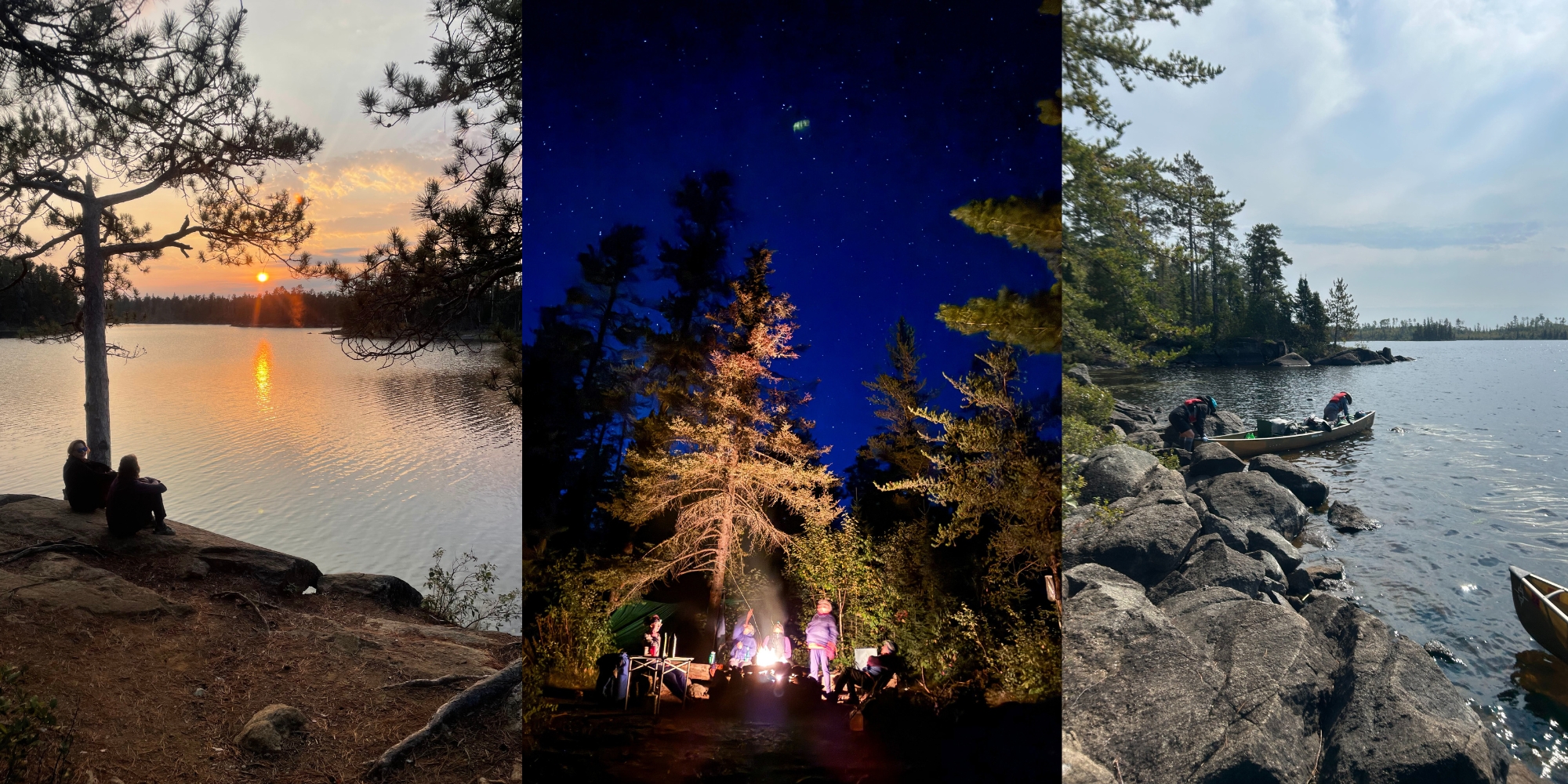
Rocks, trees, and water: my perfect combination. Touching rocks over two billion years old, you feel deeply connected to Earth's history, to the ancestors who once traveled through here. Swimming in these ancient waters, satiny-soft and refreshingly cool, you never have to worry about finding a water source (though you'll still want to filter or treat it, as you would anywhere). The greenery, or the seasonal color changes in the trees, layers in complementary hues. Everything feels old and new at once.
Reading the Weather and Finding a Campsite in the BWCA
Out here, you get tuned in: to the water, to the sky, and to how to read it all. Wind gusts building on the water. Storm clouds gathering, or just a passing shower. Spend enough time in the Boundary Waters, and you'll develop instincts good enough for a career in weather forecasting.
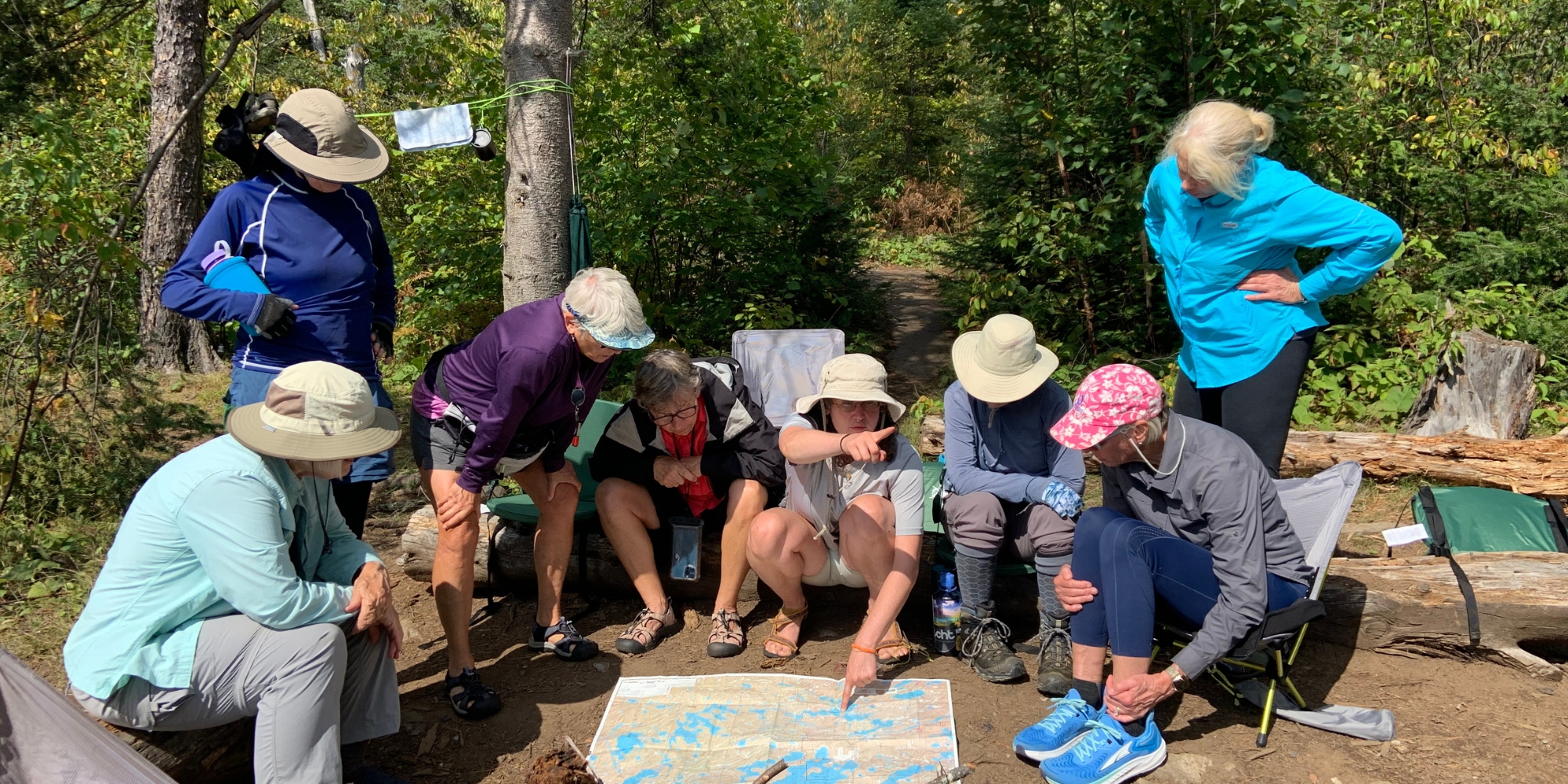
The same goes for campsites. They start revealing themselves as waypoints on the map, and your eye learns to spot them in the distance as you travel—tracking map to land, land to map. Every site is first-come, first-served, so finding one can be a leisurely “Parade of Homes” if several are open, or a race against the clock if the ones you're eyeing are already taken.
What to Expect from Boundary Waters Campsites
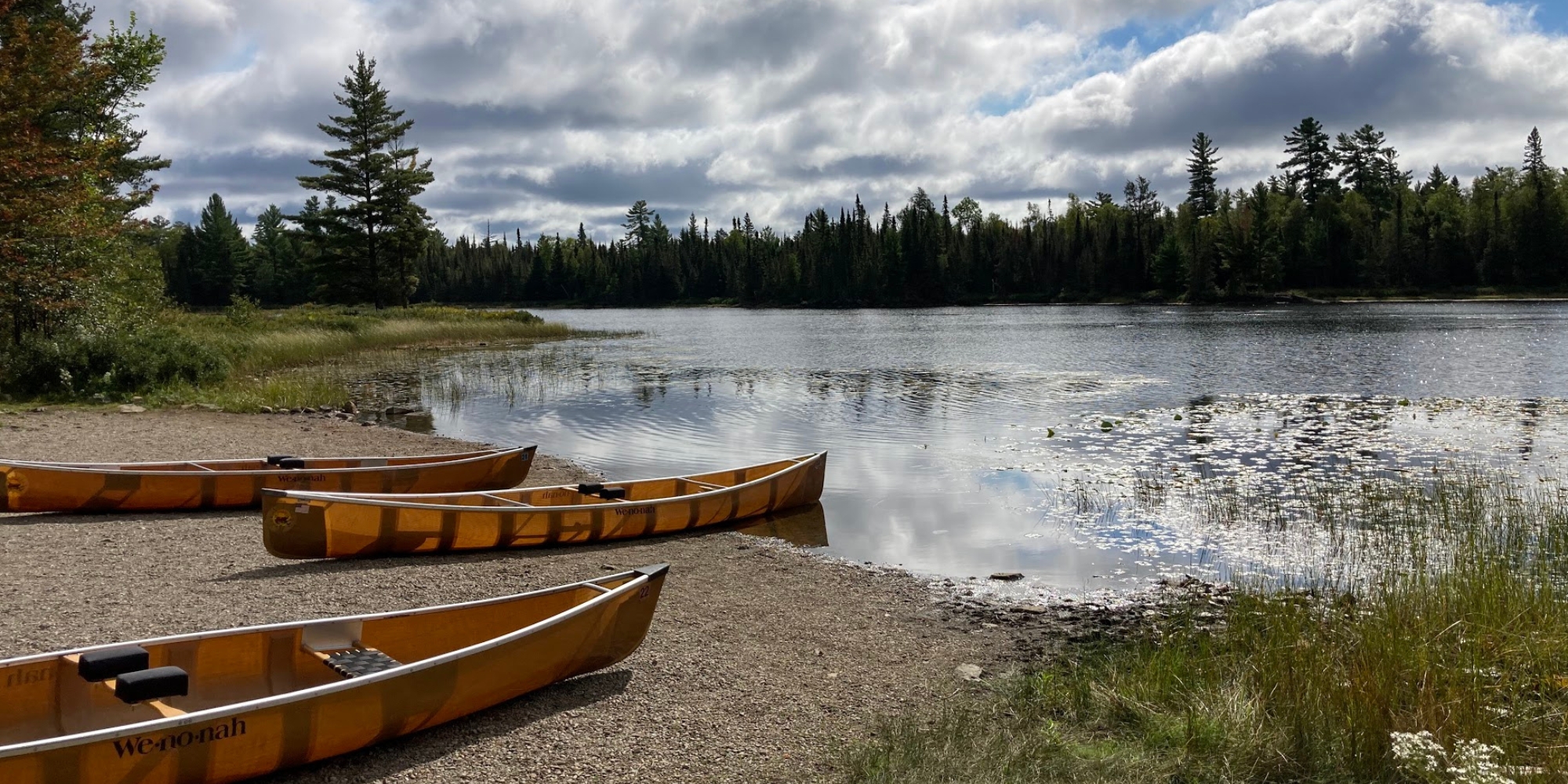
Every campsite has a fire grate, often the giveaway that tells you an open rock slab is actually a site and an open-air latrine. Beyond that, no two layouts are the same. Not all are five-star, but most have something special:
-
A huge white pine, perfect for bear hangs and hammocks
-
A high rocky outcropping ideal for watching sunrise, sunset, or the deepest Milky Way you may ever see (also a solid reason to get up for a bathroom break in the middle of the night)
-
A ring of small trees perfectly positioned for a secure rain tarp
-
Low rock slabs perfect for sunning after a swim or reading in a camp chair
Canoeing and Portaging Through Northern Minnesota
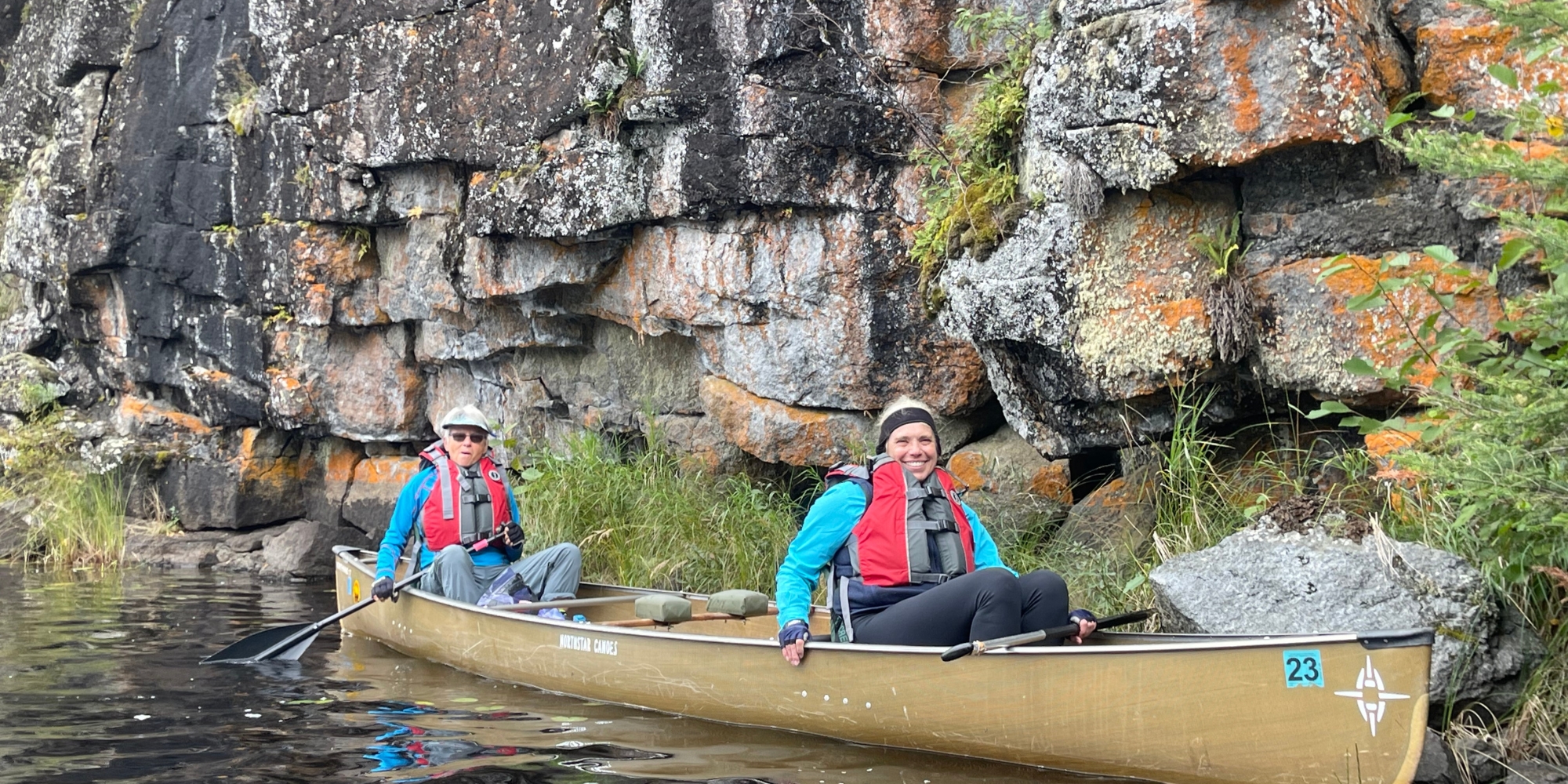
Canoeing itself is a great feeling! It’s an activity that flexes often-underused arm and back muscles as you glide across tea-colored water. Portaging gives you a chance to stretch your legs and hike along wooded, rocky trails that connect one lake or river to the next. It always feels like a small surprise to catch your first glimpse of the next lake waiting at the end of a portage trail. That balance of paddling and portaging is my ideal combination.
With so many entry points spread across northern Minnesota, every route through the Boundary Waters is unique. Staring at a BWCA map is one of my favorite pastimes, with its seemingly endless possibilities of lakes and portage trails connecting to one another.
Why the Boundary Waters Is the Ultimate Place to Unplug
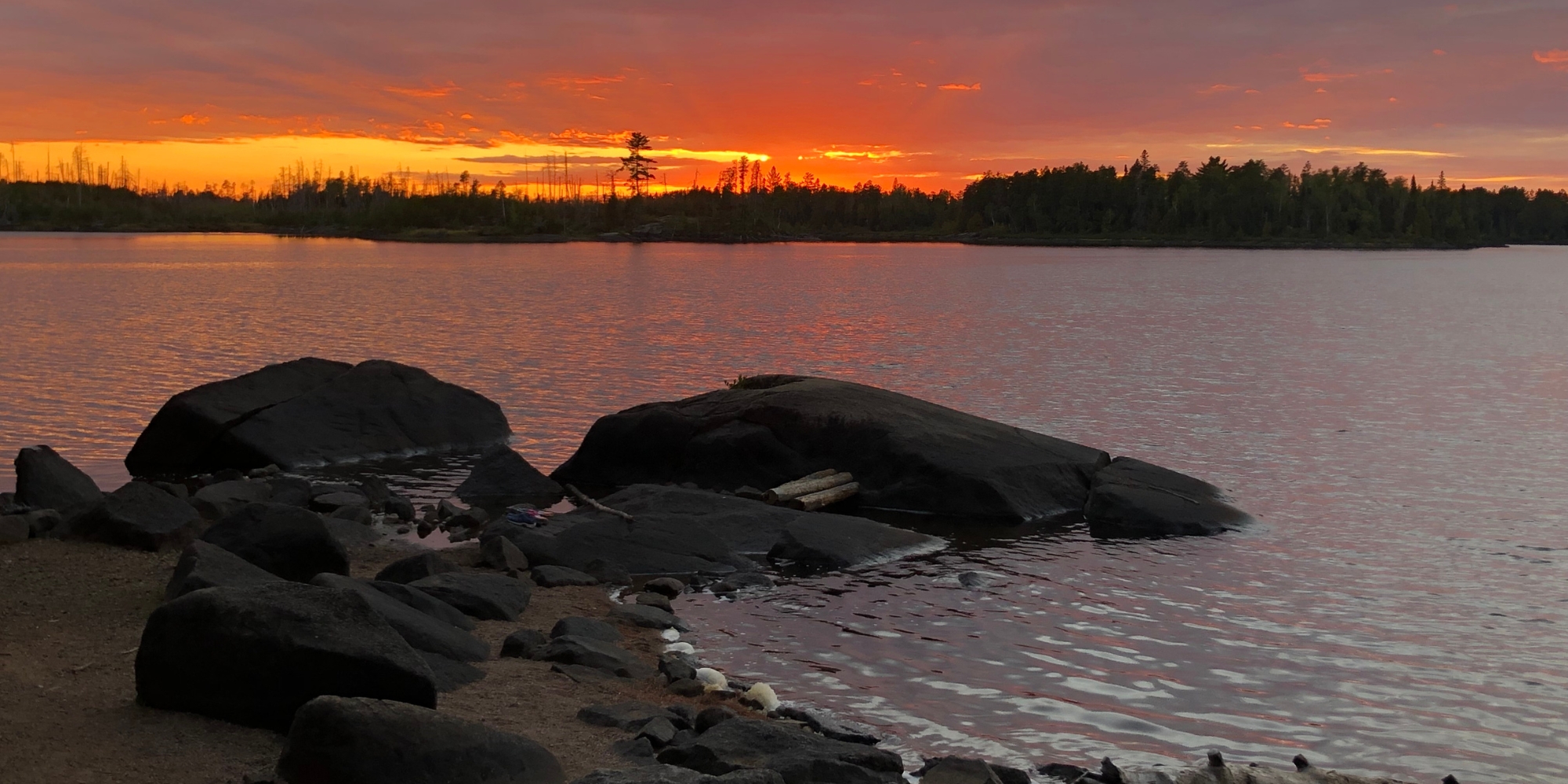
Whether you're base camping or moving every day, the rhythms of the Boundary Waters take over, lulling you into a deep peace. There's a real sense of accomplishment on the windy days or tough portages, and a deep centering on the picture-perfect ones, or as you settle into camp for the evening (maybe a little more effort is required if the bugs are out). The BWCA is a place to tap into all of your senses: to connect with nature on a cellular level, to play, to stretch, to laugh, and to truly unplug.
Trees, rocks, and water—come experience it for yourself.
Why Book a Guided Boundary Waters Canoe Trip with AGC
It's tempting to think a trip like this is as simple as renting a canoe and picking a lake. But the Boundary Waters rewards and sometimes requires a bit of local know-how.
Permits here work differently than in most wilderness areas: you only need to specify your entry point, not a fixed itinerary, which means your route stays flexible day to day. That's a gift once you're out there, but it also means there's no guarantee of a spot at the campsite you had in mind. Knowing which lakes tend to open up, how far to push on a given day, and when to settle in early for a great site is the kind of judgment that comes from doing this over and over.
Then there's the gear and the skills: reading approaching weather off the wind and clouds, packing and balancing a canoe for a portage, choosing a site with the right tree cover. None of it is complicated once you know it, but figuring it out solo, on your first trip, eats into the time you'd rather spend swimming, paddling, and sitting around the fire.
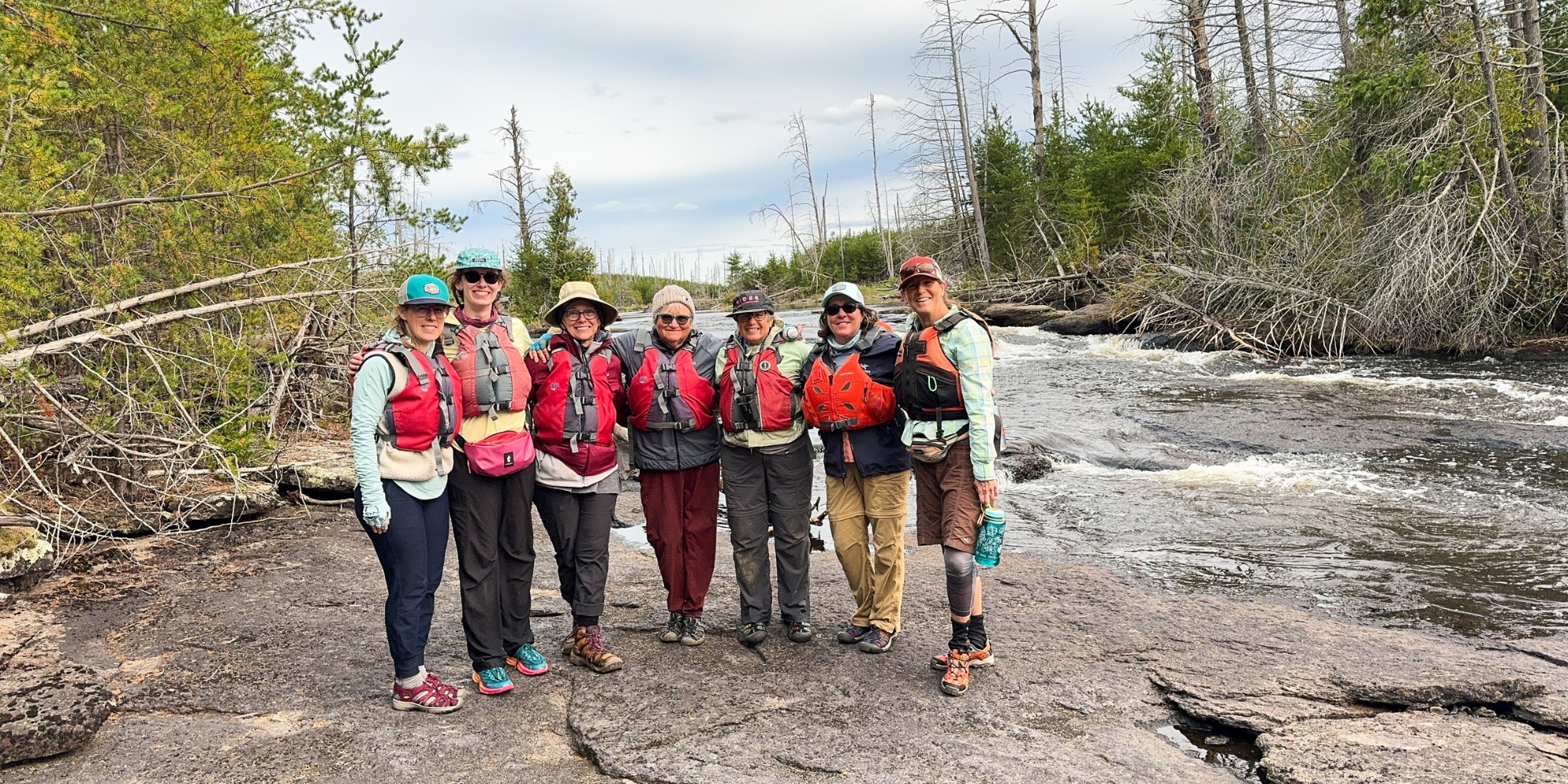
That's where AGC comes in. Our guides bring the route-finding, the permitting know-how, and the years of reading this particular wilderness, so you can spend your energy on the parts that make the Boundary Waters unforgettable—not on logistics. With a small group, you'll get real teaching if you've never paddled before and a group of new friends to share it all with around the fire.
Learn more about AGC's Boundary Waters Canoe Adventure here. We hope to see you out there.