
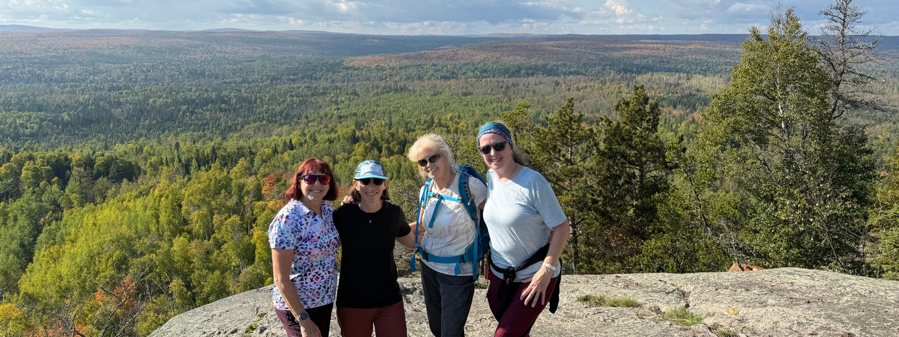
I've had the privilege of guiding everything from easy nature walks to challenging mountain adventures. Whether we're wandering beneath the towering redwoods, exploring national parks, or trekking hut-to-hut in Patagonia, I hear many of the same questions from first-time hikers.
"Am I fit enough?"
"What if I'm the slowest person?"
"What if I can't keep up?"
The good news? You don't have to be an experienced hiker to enjoy the outdoors. In fact, many AGC travelers started with those exact concerns, and are now on their second, fifth, tenth trips!
Here are a few of the biggest lessons I've learned after years of helping hikers discover just how capable they really are.
Choose the Right Hike for You
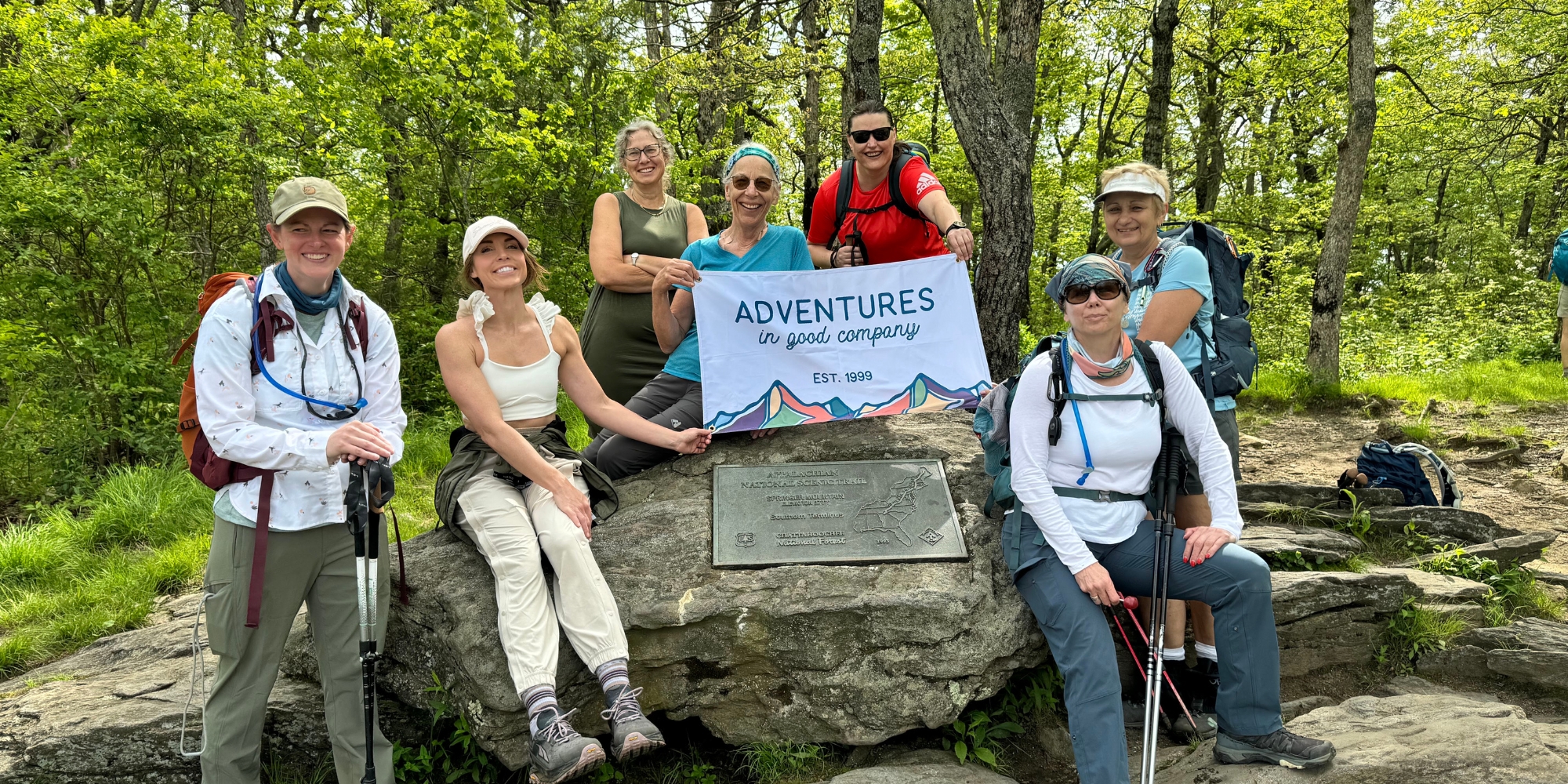
One of the biggest mistakes beginners make is choosing a hike because they want to explore that country or a friend is going, instead of because it's appropriate for their current hiking ability.
A great first hiking experience should leave you excited to plan your next adventure, not wondering if hiking just isn't for you.
I always advise reading the trip description and the activity levels carefully. AGC has spent a lot of time focusing on those descriptions to set hikers up for success. Pay attention to mileage, elevation gain, terrain, and how many hours you'll be on your feet. There's no prize for starting with the hardest hike. Building confidence one successful hike at a time is far more rewarding.
Steady and Consistent Beats Speedy and Sporadic
This is probably the advice I give more than any other.
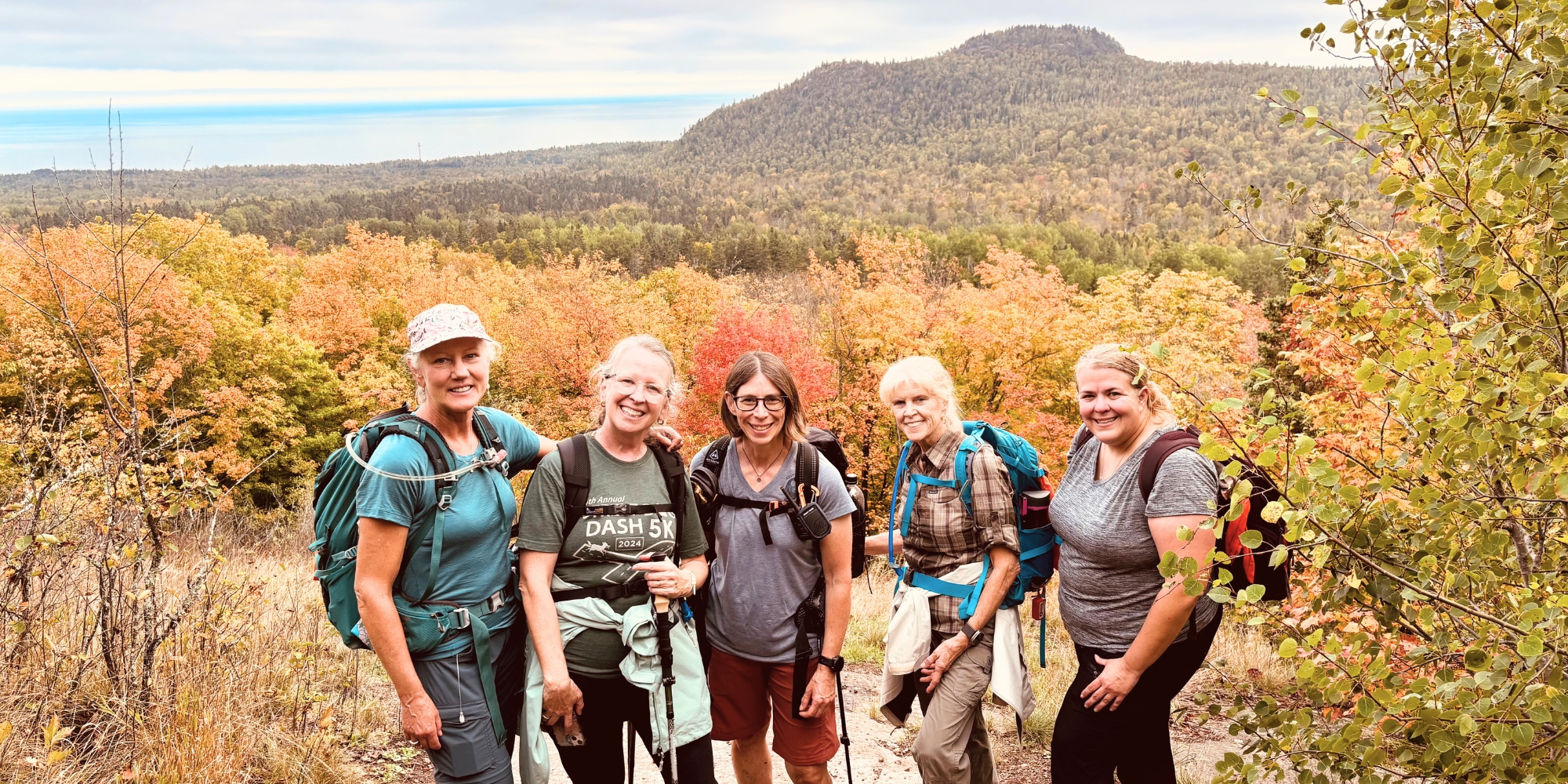
It's tempting to start fast, especially when you're feeling fresh. But over and over again, I've watched hikers charge up the first climb, only to stop every few minutes to catch their breath while others quietly continue at a comfortable, sustainable pace.
One phrase I often share is: Steady and consistent beats speedy and sporadic.
Find a pace that feels comfortable enough to keep a conversation going. You don't need to race anyone. Hiking is about managing your energy throughout the day.
I remember hiking on a trail with a consistent grade for a few miles. As I wound around and around, using my poles, going at my steady, consistent pace, a young couple zoomed past me. Two bends further, they were sitting catching their breath, and I said hi and kept hiking. A bit further up, they zoomed past me again, and I leapfrogged them a little further up, as they again were sitting catching their breath. That was the last time I saw them... they never caught back up to me.
I'm never trying to beat anyone to the top. I'm simply hiking at a pace I know I can maintain. More often than not, that steady rhythm gets me to the destination feeling strong and ready to enjoy it.
And, to clarify, this doesn’t mean you never stop! Taking breaks is important. The idea though, is that you take a refuel break when you need to, and in turn, you are resting your legs as well.
Trekking Poles Aren't Just for Experienced Hikers
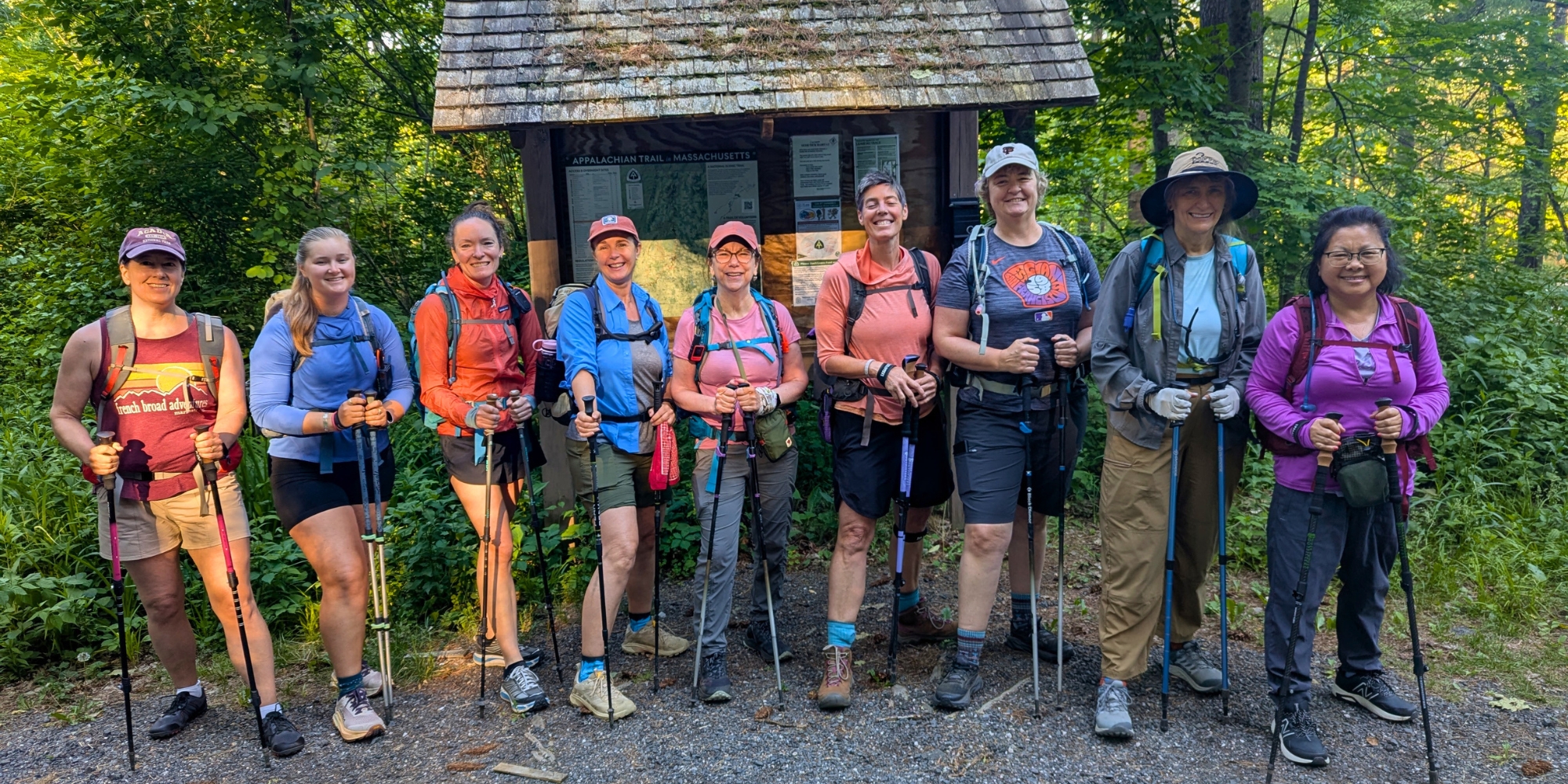
Many first-time hikers assume trekking poles are only for older hikers or people with injuries.
In reality, they're one of the best tools you can use. For some reason, they have a stigma against them in the US, but anywhere else in the world, 7-to 77-year-olds use them.
Poles improve balance on uneven terrain, reduce stress on your knees during descents, help distribute the workload between your upper and lower body, and can make long climbs feel much more manageable. They make your hike a full-body workout, often seeing noticeable differences in your arms after the trip.
I use trekking poles on almost every hike because they help me hike more efficiently and conserve energy throughout the day. Whether you’ve used them before or for the first time, your AGC guide will walk you through how to set them up and use them correctly. I have yet to do a “Pole Talk” and not have someone say, “I never knew that!”
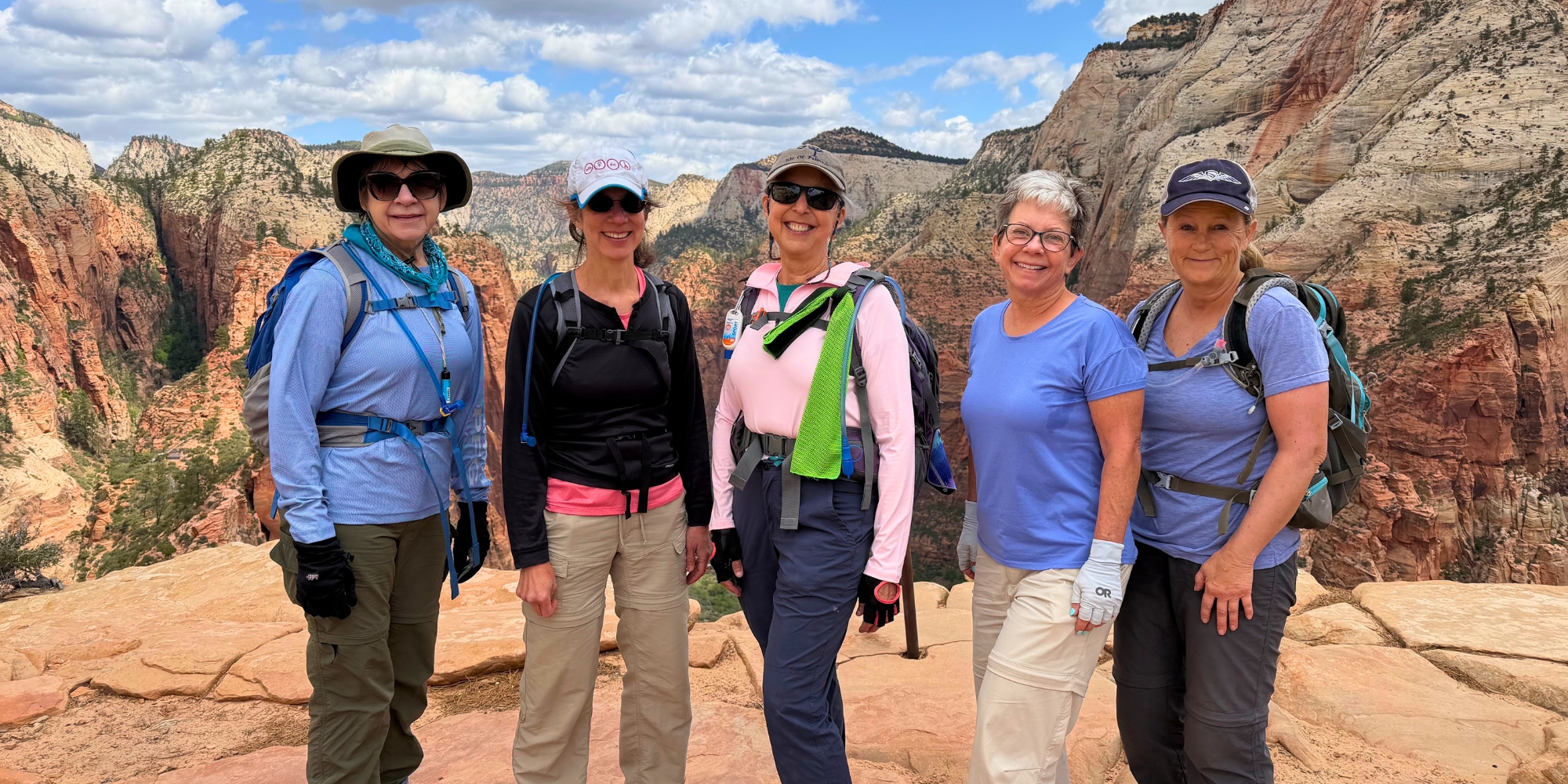
Train for the Trail
How you train for your hike depends on its activity level. Pre-trip training is definitely where I see many hikers get frustrated. Your training routine will be personal to you and is often dependent on what your current exercise routine is and where you live. It is hard to train for a Level 5 in Florida; I’ve had many participants express this, saying, “I went up as many stairs and up and down the one bridge in town as many times as I could to practice elevation, but that’s all I had!”
Just remember, a little targeted training goes a long way. Walking regularly is one of the best things you can do. Think of ways to incorporate more walking: park a little further from the grocery store, walk to see a friend instead of driving, etc. If the hikes on your trip will include hills, practice walking hills or climbing stairs. Strength training is key as well. Doing squats, lunges, and core exercises translates to hiking hills and supporting your pack. Cardio is important to build lung capacity since you’ll be hiking multiple days in a row; something your body rarely does. And of course, going on hikes as often as you can is great for your physical health and probably your mental and emotional health as well. Remember to wear the shoes and backpack you plan to use on your trip so nothing feels unfamiliar on the big day.
Consistency matters far more than one long workout every few weeks.
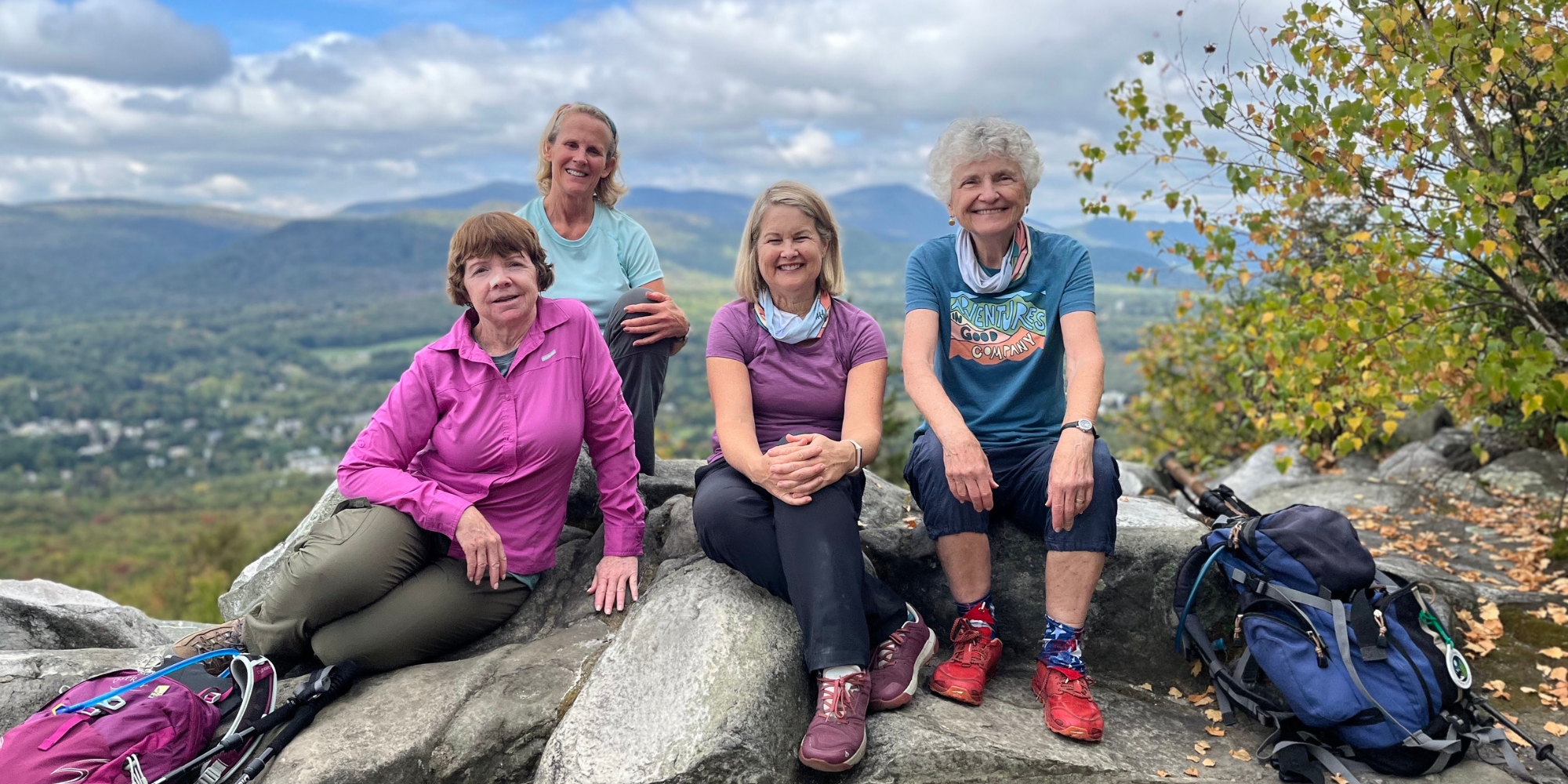
Eat and Drink Before You Think You Need To
One of the most common reasons hikers begin to struggle isn't fitness; it's simply running low on energy.
Bring snacks you enjoy and eat small amounts throughout the hike instead of waiting until you're starving. The same goes for hydration. Sip water regularly instead of trying to catch up once you feel thirsty. I personally encourage using a bladder versus a bottle. Usually, hikers drink more and more consistently with a bladder because it is easily accessible. A bottle requires stopping, getting it out, and putting it back, which sometimes deters you from actually doing it. Using electrolytes is important to retain water if you are sweating or hiking for multiple miles.
Your body will thank you later in the hike.
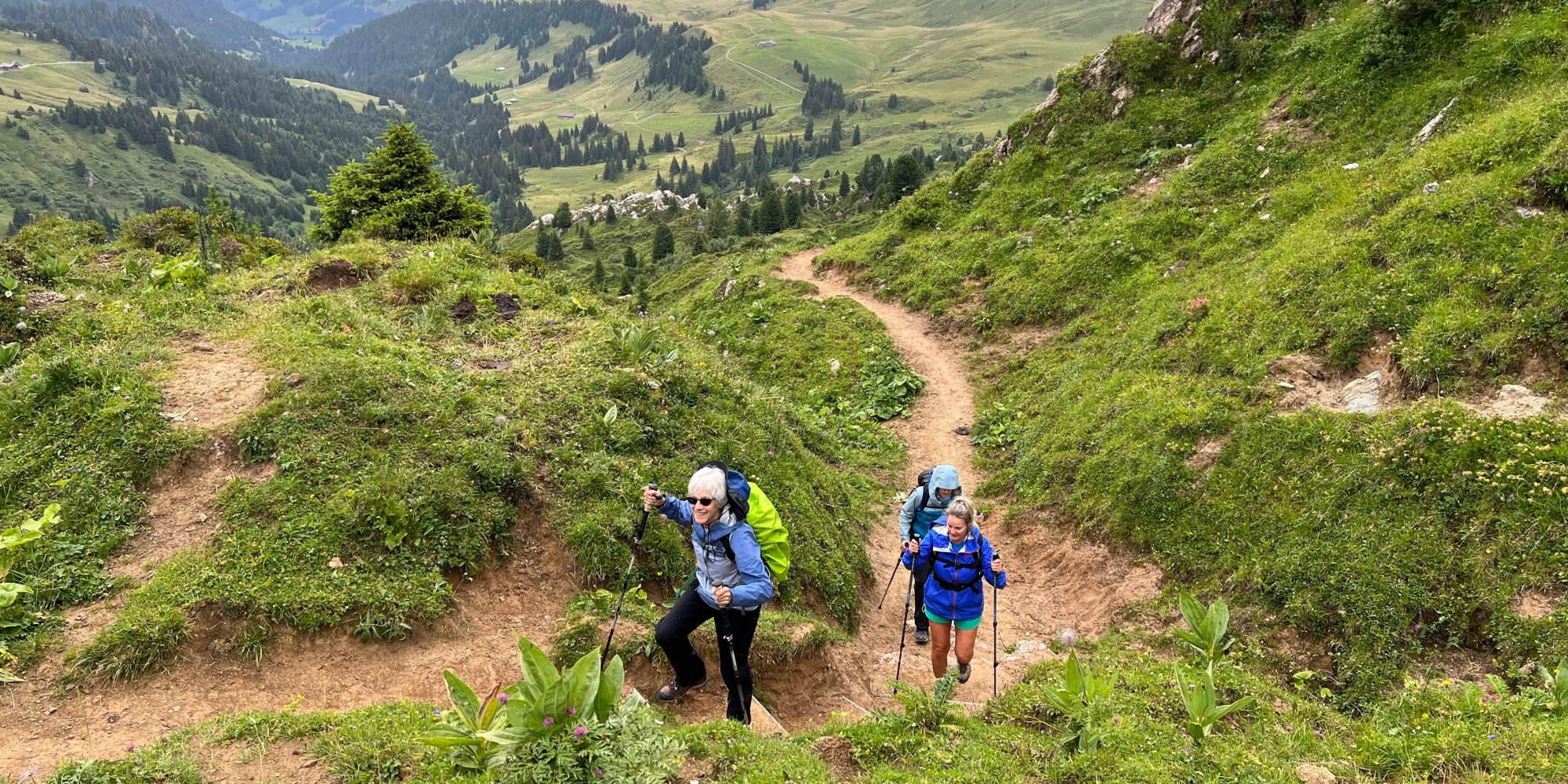
Don't Worry About Being the Slowest
This may surprise you, but the hikers who worry the most about holding everyone back are almost never the ones who do.
Good guides expect people to hike at different speeds. Here at AGC, we build in breaks, regroup often, and want everyone to enjoy the experience. This is why knowing the activity level is important again.
Most of the time, I say, “Your pace is the best pace”. But if you are on a Level 5 trip, then you’ve got to make sure your pace is fast enough to get through the day and keep up with the group. Also, move to the front. I bet you’ll surprise yourself. Don’t just assume you are the slowest until you try hiking in the front, or the middle. Change it up and see how you do!
I've seen countless guests arrive nervous that they wouldn't belong, only to finish the trip asking where they should hike next.
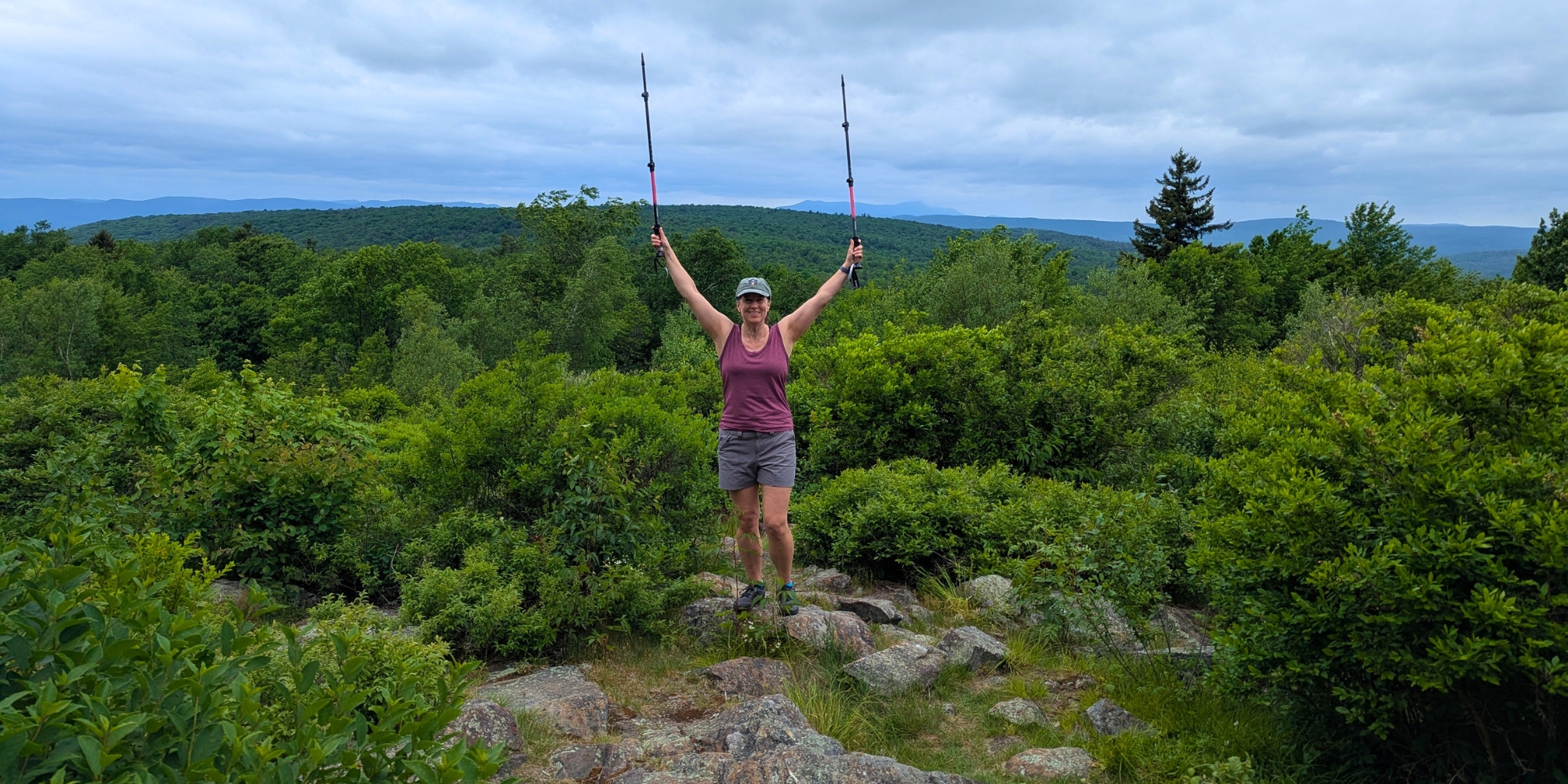
Remember to Look Up
Sometimes new hikers become so focused on reaching the destination that they forget to enjoy the journey. Periodically, stop and take a moment to notice the wildflowers. Listen to the birds. Feel the breeze. Look up at the mountains instead of only watching your feet. Some of the most memorable moments on the trail aren't found at the summit; they happen somewhere along the way.
Final Thoughts Before You Hit the Trail
You don't have to be the strongest, fastest, or most experienced person on the trail to have an incredible hiking experience.
Show up prepared. Find your own steady rhythm. Stay curious. Be willing to take that first step. The goal of your first hike isn't to prove anything. It's to finish the day thinking, I can't wait to do this again.